






Silver Service Plates
Silver service plates designate the foundational tableware found in sets spanning the Georgian, Victorian, and Edwardian eras.
Silver Service Plates
Silver service plates form part of larger dining, tea, and cutlery ensembles originating from the nineteenth and twentieth centuries. Buyers seeking silver service plates encounter items shaped by Victorian and Edwardian manufacturing traditions, alongside Georgian and Art Deco examples.
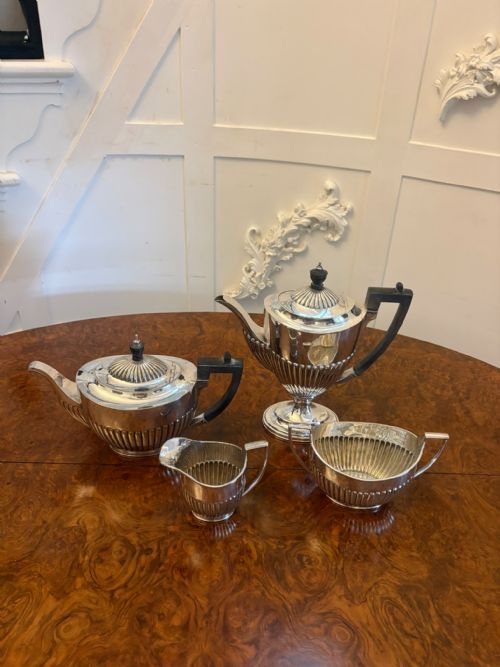
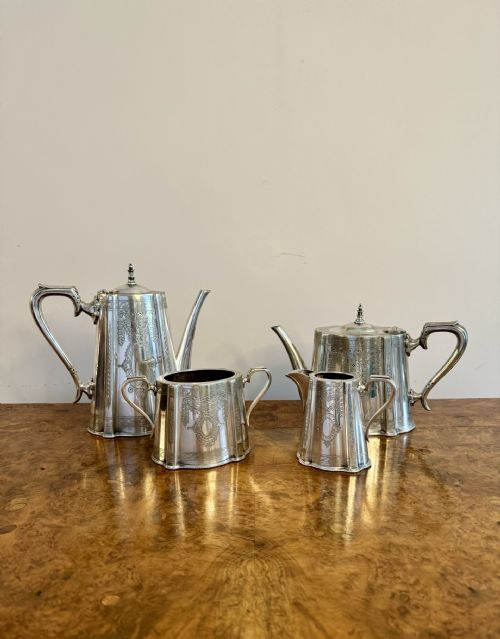
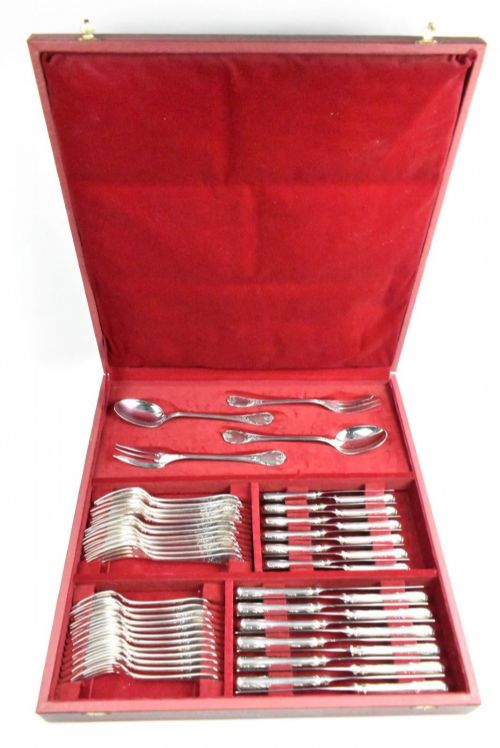
The evidence shows these pieces appear predominantly within tea services, cruet sets, and flatware collections rather than as solitary dishes. Domestic dining in these periods relied heavily on matched or supplementary silver plated items for formal presentation.
Origins stretch from early nineteenth century Sheffield plate through to electroplated nickel silver items from the nineteen-twenties and thirties. Makers utilise traditional forms such as gallery trays, spirit kettles, and egg cruets alongside standard serving vessels.
How They Were Made
Sheffield plate production involved fusing a thin sheet of silver to a thicker copper base before shaping and engraving. Later Victorian and Edwardian pieces utilised electroplated nickel silver, applying a silver coating via an electrical current.
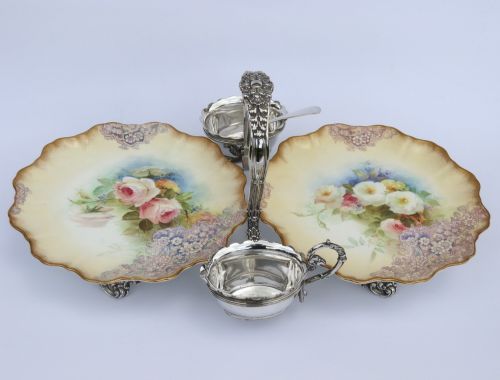
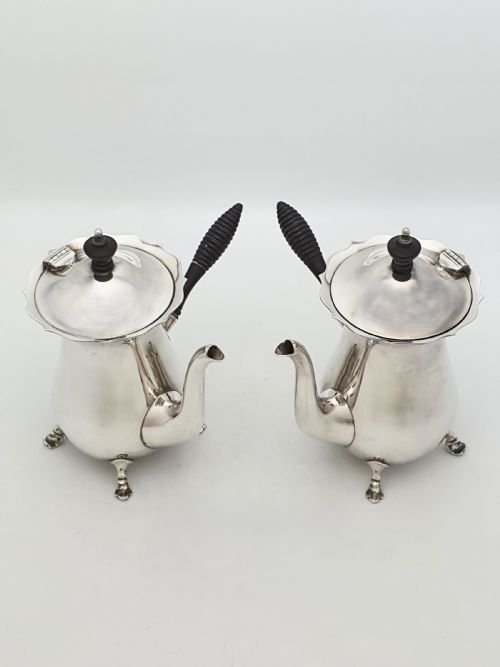
Decoration often involved hand embossing, cast grapevine detailing, and engraved borders executed by skilled artisans. Subsidiary materials such as ebonised wood, glass liners, and agate appeared in handles and inserts to provide contrast and insulation.
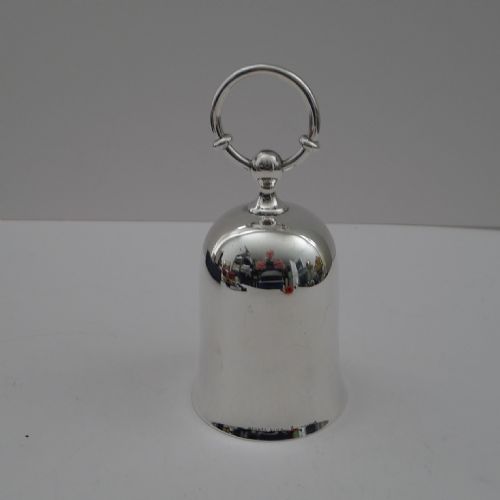
Table bells featuring horse bit handles prove that even nineteenth century butlers appreciated an equestrian motif before ringing for tea.
What Varies in Quality
The definition of the chasing and engraving separates mass production from workshop pieces bearing maker marks. Heavier gauges of base metal provide substantial weight and resist bending across large tea trays and platters.
The preservation of the original silver plating over the underlying copper or nickel silver dictates the visual appeal of each item. Complete sets retaining matching components and original burners or glass inserts demonstrate superior domestic care.
Walker and Hall·Christofle Marly·Doulton Burslem·Hermes Paris·Carrington·Elkington·Mappin and Webb
The Silver Service Plates Glossary
- Sheffield Plate
- An early method of fusing silver and copper together before rolling them into sheets for manufacturing tableware. This technique preceded modern electroplating.
- Electroplated Nickel Silver
- A base alloy of copper, nickel, and zinc coated with a layer of pure silver through electrolysis. This process became standard for nineteenth and twentieth century manufacturing.
- Cruet Set
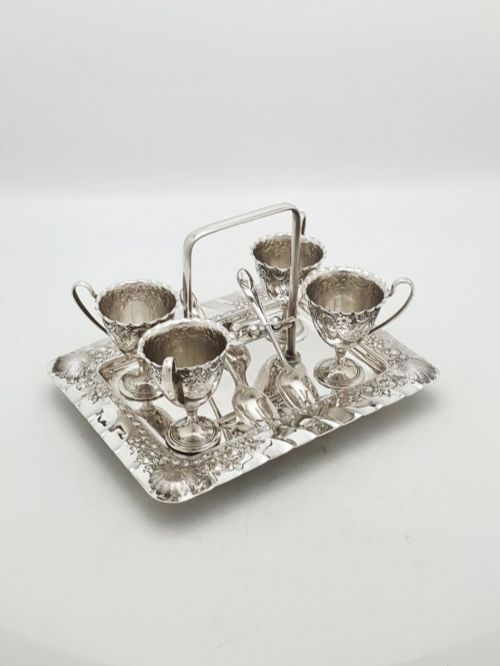
- A matched collection of small bottles, jars, or frames designed to hold condiments, eggs, or seasonings at the dining table. These frequently include glass inserts and specialised spoons.
- Spirit Kettle
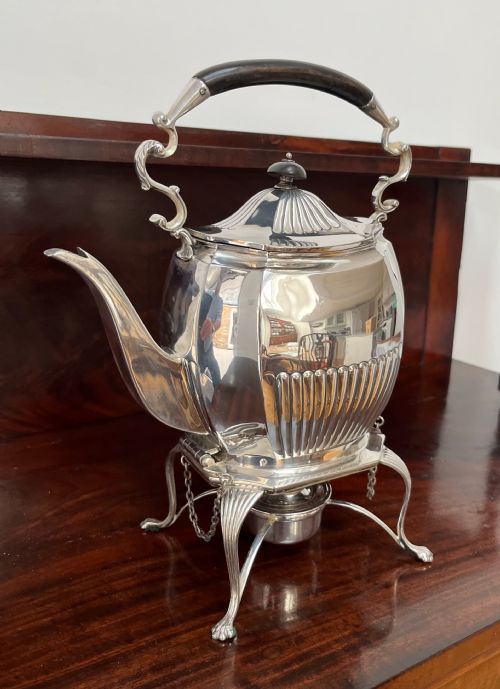
- A water kettle mounted on a metal stand with an integrated spirit burner underneath to keep water hot during tea service. They are typical of Edwardian entertaining.
- Gallery Tray
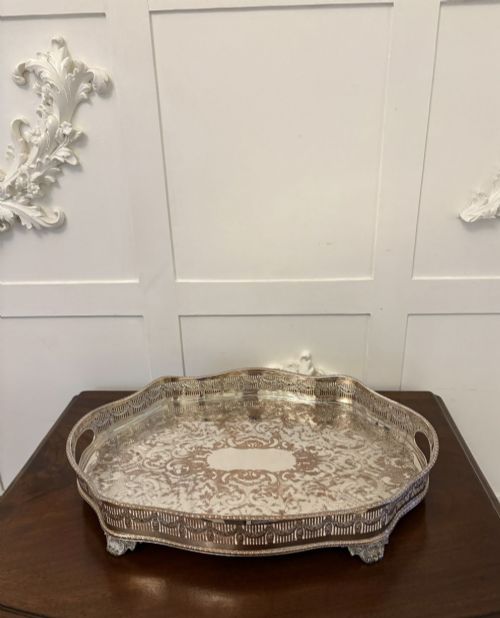
- A serving tray featuring an openwork metal rail or pierced gallery around the perimeter to prevent items from sliding off. These plates and trays often display engraved bases.
Silver Service Plates: Frequently Asked Questions
How do I clean silver plated items?
Clean silver plated items using a soft cloth and a specialised silver polish formulated to protect thin plating layers. Avoid abrasive cleaners that strip the silver coating from the underlying base metal.
Rinse the pieces in warm water and dry them thoroughly with a lint-free cloth immediately after cleaning. Regular gentle upkeep prevents tarnish build-up without requiring harsh scrubbing.
Can I use these tea services daily?
Daily use is entirely possible provided you handle the pieces with care and wash them by hand rather than in a dishwasher. Hand washing protects delicate handles, glass inserts, and ebonised wood components from heat damage.
Store the items away from direct sunlight and damp environments to preserve the condition of the silver plate. Gentle handling ensures these nineteenth and twentieth century pieces remain functional for modern dining.
How do I distinguish Sheffield plate from later electroplate?
Sheffield plate often reveals a faint yellowish copper tone appearing where the top silver layer has worn down along high friction edges. Examining the item under magnification can also reveal the sandwich structure of the fused metals.
Electroplated items typically display a uniform silver surface and often carry manufacturer stamps indicating the plating process. Sheffield plate predates widespread nineteenth century electroplating techniques.
What is the purpose of a spirit kettle?
Spirit kettles provided a continuous supply of hot water during Victorian and Edwardian tea services without requiring trips to the kitchen. The integrated burner beneath the kettle kept the water at a steady temperature throughout the gathering.
These pieces sit upon dedicated stands and often feature insulated handles to allow safe pouring at the table. They represent the formal hospitality rituals of the early twentieth century.