


Silver Salt Cellar Bowl
A silver salt cellar bowl brings domestic history to the dining table, offering miniature craftsmanship in precious metal.
Silver Salt Cellar Bowl
A silver salt cellar bowl serves as a small open vessel designed to hold coarse salt at the dining table before the widespread adoption of free-flowing table salt. These functional objects appear across multiple eras, including Georgian, Victorian, Edwardian, and mid-twentieth-century periods.
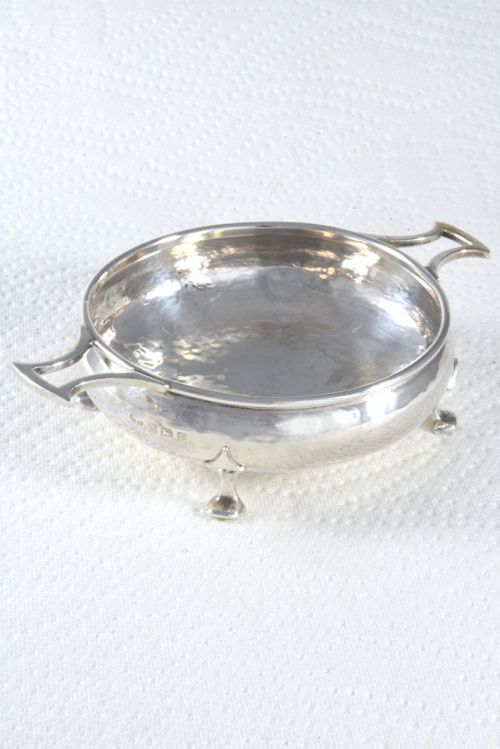
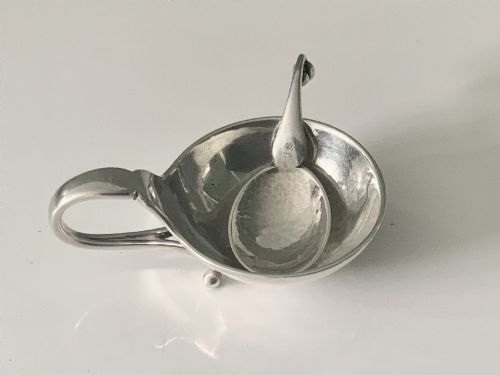
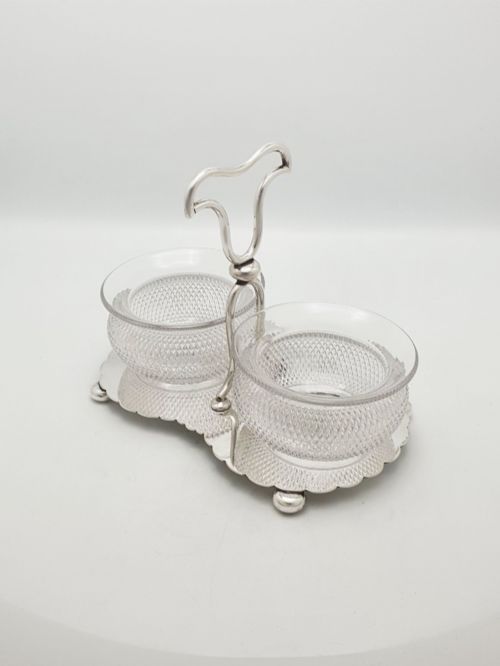
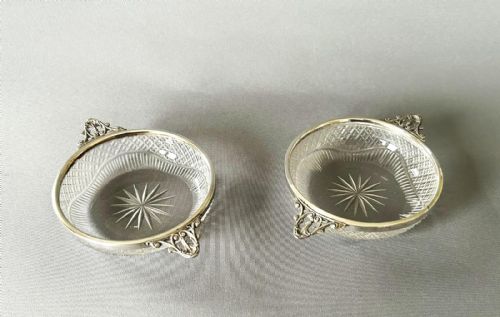
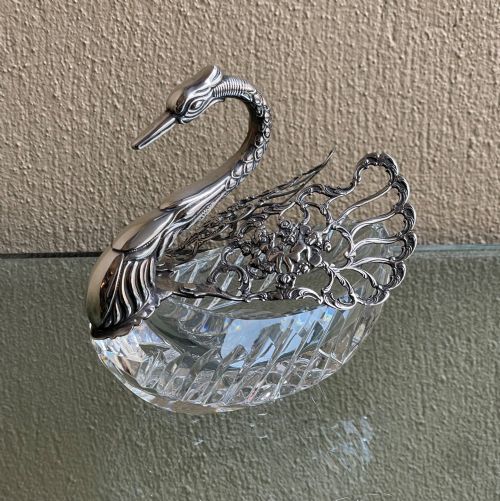
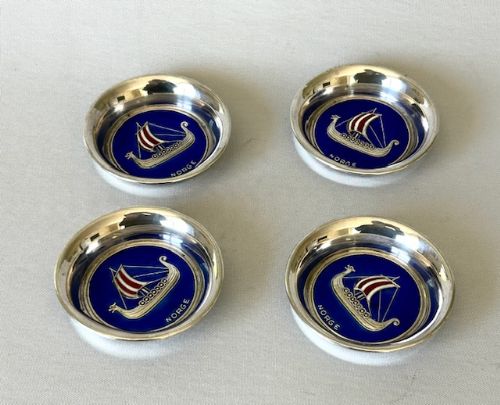
The items found here range from individual open salts and matched pairs to sets of four, alongside related small vessels such as trinket dishes and condiment stands. Forms encompass pedestal dishes, cauldron salts, and novelty shapes like swans or longships.
Materials and construction methods
Silversmiths utilised sterling silver, solid silver, and silver plate, often shaping the metal through casting, hammering, and embossing techniques. Many vessels incorporate contrasting interior liners made from cobalt glass or cut glass to hold the corrosive salt.
Gilding appears on several pieces as vermeil or gold gilt applied to the interior surfaces to prevent the salt from tarnishing the silver. Additional materials such as carved horn with silver mounts and enamel work also feature in the construction.
Listings feature Victorian, Edwardian, and Georgian examples created in solid sterling silver, silver plate, and cut glass.
Distinguishing quality in silver salt cellar bowl items
Quality rests on the crispness of the chasing, the gauge of the silver used in the body, and the survival of matching components like spoons and original glass liners. Pieces displaying clear hallmarks demonstrate superior provenance and maker identification.
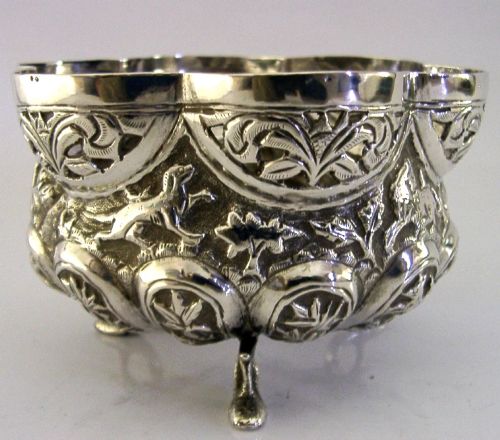
Artisanal execution in decorative details, such as animal motifs or lobed shaping, separates standard production items from finer workshop output. The weight of the metal and structural integrity of feet or pedestals further define the standard of the piece.
Georg Jensen·Thomas Smily·Edward Wood·Vale Brothers and Sermon
The Silver Salt Cellar Bowl Glossary
- Hallmark
- An official stamp applied to precious metals indicating the standard of purity, the assay office, and the date of manufacture. These marks allow collectors to verify the exact origin of a silver salt cellar bowl.
- Vermeil
- Sterling silver coated with a thin layer of gold on the surface. This technique protected the silver from the corrosive properties of salt.
- Cauldron salt
- A small, round bowl resting on three small feet, styled after a traditional cooking pot. This form became particularly popular during the Victorian period.
- Open salt
- A small table vessel designed to hold salt dispensed with a small spoon rather than poured from a shaker. Wealthier households utilised sets of these vessels across the dining table.
- Cobalt glass
- Deep blue glass used as an insert inside open silver salt bowls. The rich colour provides a visual contrast against the polished silver exterior.
Silver Salt Cellar Bowl: Frequently Asked Questions
What is a silver salt cellar bowl used for?
These small bowls held coarse table salt before the invention of modern free-flowing salt shakers. Guests used a tiny spoon to sprinkle salt onto their plates.
Today, collectors repurpose them to hold small items like rings, pins, or paperclips on a desk or dressing table.
How do I clean a silver salt cellar bowl?
Maintenance requires gentle washing with warm soapy water and a soft cloth to remove dust and residue. Avoid abrasive dips that can strip away original patination or damage glass liners.
For stubborn tarnish, use a specialist silver polishing cloth designed for antiques.
Are glass liners original to the bowls?
Many Victorian and Edwardian open salts included removable glass inserts to protect the metal from salt corrosion. Finding a piece with its matching cobalt or clear glass liner intact is ideal.
Replacements do exist, but original fitted liners add to the completeness of the object.
How can I tell the age of a silver salt cellar bowl?
Age is determined by reading the hallmarks stamped onto the metal, which include maker marks, city assay marks, and date letters. Stylistic clues such as Rococo revival scrolls or Art Nouveau lines also point to specific decades.
Consulting a standard silver hallmark guide decodes these punches easily.