



Silver Repousse Lid Jar
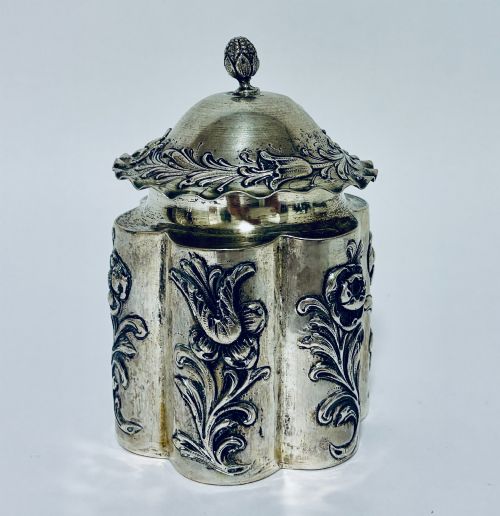
A silver repousse lid jar brings intricate hand-hammered relief work to the dressing table or desk, offering a tactile piece of historic craftsmanship.
Silver Repousse Lid Jar
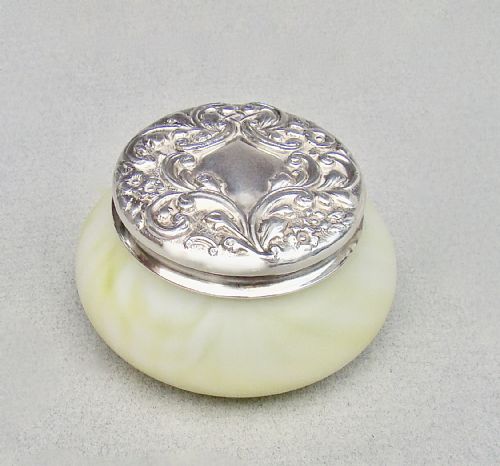
A silver repousse lid jar combines a heavy lidded top worked in raised relief with vessels ranging from cut glass and satin glass bodies to solid metal containers. These small storage pieces appear across several eras, including the Victorian, Edwardian, and Georgian periods, alongside international styles such as Ottoman, Anglo-Indian, and Continental European designs.
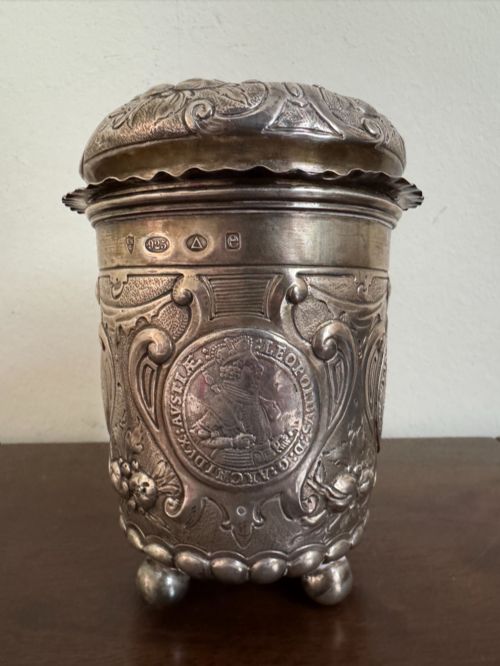
The most common form on this page is the trinket box or dressing table container featuring a floral or pictorial repousse top paired with a glass or solid silver base. Tea caddies and lidded beakers also feature frequently, demonstrating the practical origins of these decorated items for holding leaves, coins, or small valuables.
Geographic diversity shapes these pieces, with items originating from British workshops, Ottoman regions, and Indian colonial centres. This mixture provides a range of forms, from heart-shaped glass trinket boxes to heavy solid silver cylindrical boxes.
Materials and construction methods
Silversmiths formed the lids using the repousse technique, hammering the metal from the reverse side to create raised motifs on the front surface. This required careful control to achieve crisp floral scrolls, figurative scenes, or abstract patterns without thinning the metal to breaking point.
The bodies of these jars combine sterling silver, solid silver, and silver plate with blown and cut glass or satin glass. Master glasscutters faceted or moulded the glass bases to catch the light, contrasting with the duller, textured sheen of the chased and hammered silver covers.
Silver Repousse Lid Jar Retail Price Guide 2026
Typical asking prices for silver repousse lid jar among the pieces listed under this phrase on Sellingantiques today, from the lower quarter to the upper quarter. They describe what is for sale here now, not the wider market.
Materials span sterling silver, coin silver, satin glass, cut glass, and Old Sheffield plate across the listed items.
Distinctions in quality
The depth and definition of the hammered relief work dictate the visual strength of the lid, where shallow stamping lacks the crisp contours of skilled hand-chasing. Heavier gauge metal resists bending and maintains sharper details across intricate floral or architectural motifs.
Integration between the lid and the base reveals the standard of manufacture, ensuring a secure fit without excessive play. High quality pieces also maintain clarity in the glass bodies and precise hallmarks stamped into the metal components.
A. Bromet & Co
The Silver Repousse Lid Jar Glossary
- Repousse
- A metalworking technique where the artisan hammers the design from the reverse side to form a raised relief on the front. Details are often refined from the front using chasing tools.
- Tea Caddy
- A small vessel designed to store dry tea leaves securely. They frequently feature tight-fitting lids to preserve the aroma of the contents.
- Satin Glass
- A type of art glass with a velvety, frosted surface finish created by acid-etching. It provides a tactile contrast to polished silver lids.
- Sterling Silver
- An alloy of silver containing 92.5 percent pure silver by mass and 7.5 percent other metals, usually copper. This standard ensures durability while maintaining precious metal purity.
- Old Sheffield Plate
- An early method of fusing a thin sheet of silver to a thicker copper base. It predates electroplating and appears on older Georgian items.
Silver Repousse Lid Jar: Frequently Asked Questions
What were silver repousse lid jars used for?
These jars served various domestic purposes, primarily holding tea leaves, trinkets, tobacco, or dressing table accessories. Their decorative lids made them suitable for display on side tables or mantelpieces.
Smaller glass versions sat on dressing tables to hold pins and jewellery, while larger metal caddies stored dry goods in formal rooms.
How do I date a silver repousse jar?
Dating relies on hallmarks stamped into the metal components, which indicate the assay office, year letter, and maker. Stylistic clues such as Edwardian floral motifs or Georgian silhouettes also help place the piece in its era.
Glass bodies and construction methods provide supporting evidence for the period of manufacture when marks are absent or rubbed.
How should I clean a silver repousse lid?
Cleaning requires a soft brush and mild silver polish to remove tarnish without flattening the raised details. Harsh chemical dips can strip the natural patina accumulated over decades.
Care must be taken to avoid getting liquid polish trapped in the recessed areas of the repousse pattern.
Are the glass bodies original to the lids?
Many dressing table jars retain their original cut or satin glass bases, shaped specifically to fit the silver collar and lid. Close inspection reveals whether the glass rim matches the contours and wear patterns of the metal top.
Replacements do occur over time due to accidental breakage of the glass base.