




Silver Punch Server
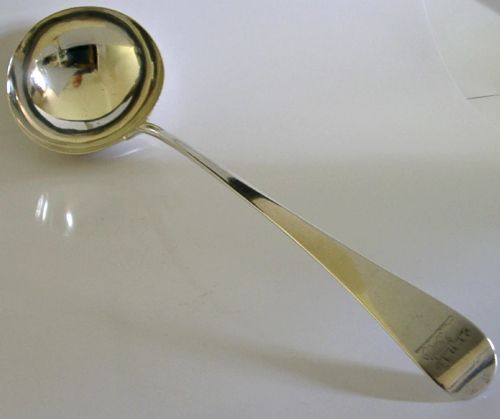
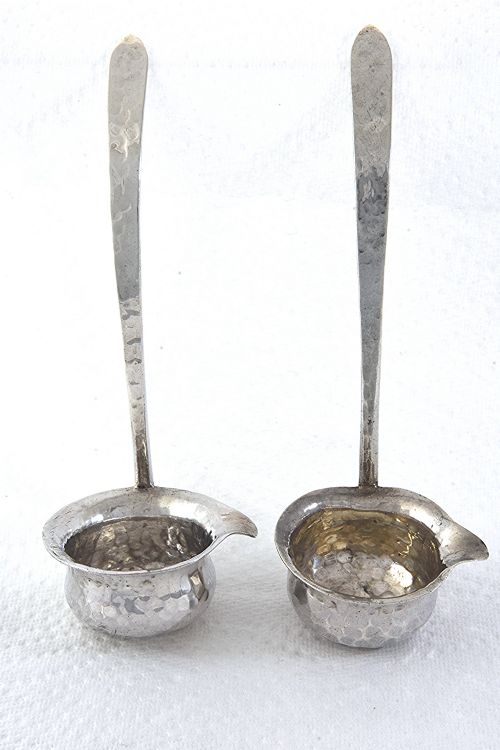
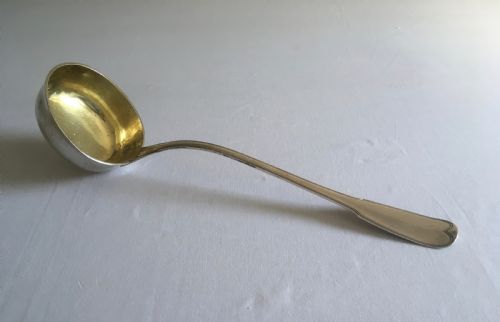
These silver punch server examples combine sterling silver bowls with turned wood, horn or whalebone handles, offering a traditional way to serve punch and toddy.
Silver Punch Server
A silver punch server typically takes the form of a toddy ladle, soup ladle or serving utensil designed for communal bowls and tureens. When you search for silver punch server, you encounter pieces intended for scooping and serving drinks at social gatherings.
The selections available here span the Georgian period, the nineteenth century and the early twentieth century, showing a strong presence of eighteenth-century and Georgian items. You find individual ladles, pairs, sets, and even larger presentation pieces accompanied by tureens.
Most examples combine precious metal bowls with organic handle materials, reflecting the standard methods of historical drinking culture. The forms range from simple domestic implements to crested crested pieces bearing family crests and maker marks.
Materials and construction
Makers formed the bowls from sterling silver or silver plate, using hammering and soldering techniques to create deep, capacious vessels suitable for liquids. These metal bowls often show bright polish and hand-beaten contours typical of early silversmithing.
Handles were frequently fashioned from turned wood, horn, whalebone or coquilla nut, attached securely to the metal shank to provide insulation against warm punch. This combination required skilled joinery to fix organic materials firmly to metal shafts.
Listings feature sterling silver, silver plate, wood, horn, whalebone, and coquilla nut across Georgian, Victorian, and Arts and Crafts periods.
Markers of quality
Quality rests in the balance of the utensil, the crispness of any engraved crests, and the integration between the metal bowl and the organic handle. Better examples exhibit superior chasing on the bowl and expert turning on the wooden or bone stem.
The presence of clear hallmarks adds considerable weight, identifying the specific city, date of assay, and maker behind the work. Pieces by notable historical workshops demonstrate finer proportion and more deliberate finishing than anonymous domestic versions.
Hester Bateman·John McDonald·Daniel and Arter
The Silver Punch Server Glossary
- Toddy ladle
- A small-bowled serving utensil specifically designed for portioning hot whisky toddy or punch from a bowl into individual glasses. These typically feature twisted whalebone or turned wooden handles.
- Whalebone
- A flexible keratin material harvested from baleen whales, frequently used in historical cutlery and ladle handles for its durability and resilience. It is often twisted during manufacture.
- Coquilla nut
- The hard, dark brown seed of an exotic palm, often turned on a lathe to form decorative and tactile handles for nineteenth-century serving utensils.
- Hallmark
- An official stamp or series of marks applied to precious metals to indicate the standard of purity, the assay office, the maker, and the year of manufacture.
- Crest
- A heraldic device engraved onto the silver bowl or handle, denoting the family or lineage of the original owner.
Silver Punch Server: Frequently Asked Questions
What is a silver punch server used for?
These utensils served to ladle hot punch, wine, or spirits from a central bowl or tureen into individual drinking vessels during social gatherings. They kept the host's hands safely away from the heated liquid.
Today, they function as decorative table antiques or practical serving tools for home entertaining and festive gatherings.
How do I date an old ladle?
Dating relies heavily on legible hallmarks stamped directly onto the metal, which reveal the assay office and production year. Stylistic details like bowl shape and handle material also provide strong clues to the era.
Georgian pieces often display distinct handle turning and crest engravings that differ markedly from later nineteenth-century manufacturing conventions.
Why do some handles use whalebone?
Whalebone provided a strong, flexible, and heat-resistant grip that prevented warmth from transferring to the user's hand during service. It was a prized material in eighteenth-century workshops.
Today, the presence of historical whalebone confirms the period authenticity of the piece.
How should I clean silver and wood?
Clean the metal sections gently with a specialised silver polish, taking care to avoid harsh abrasives near organic handle joints. Soft cloths preserve the fine patination.
For wooden, horn, or whalebone handles, wipe clean with a slightly damp cloth and dry immediately, avoiding prolonged exposure to water.