
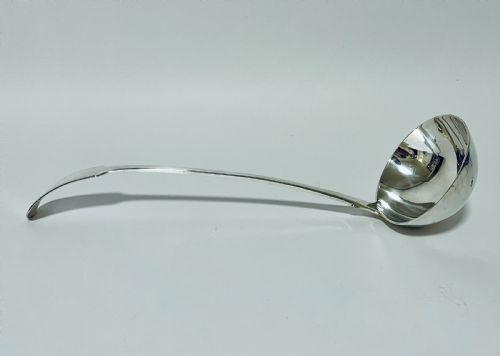
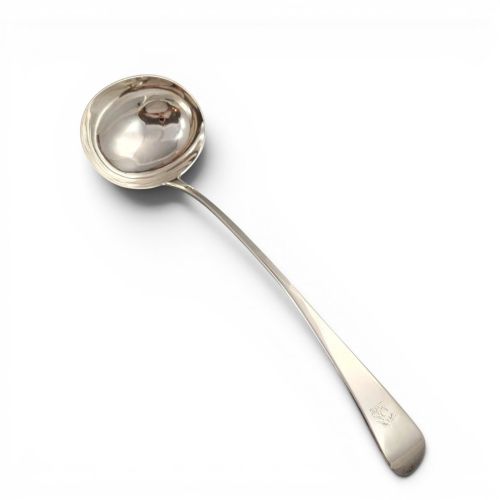

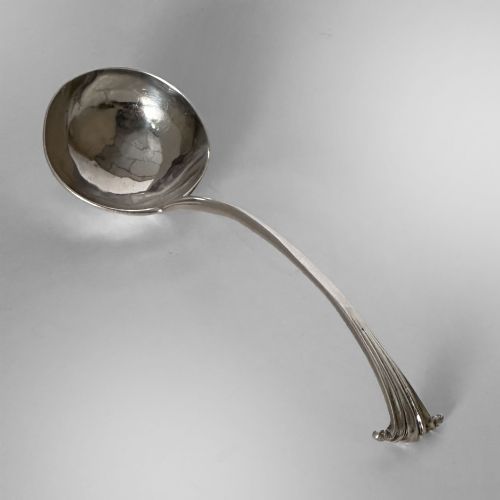


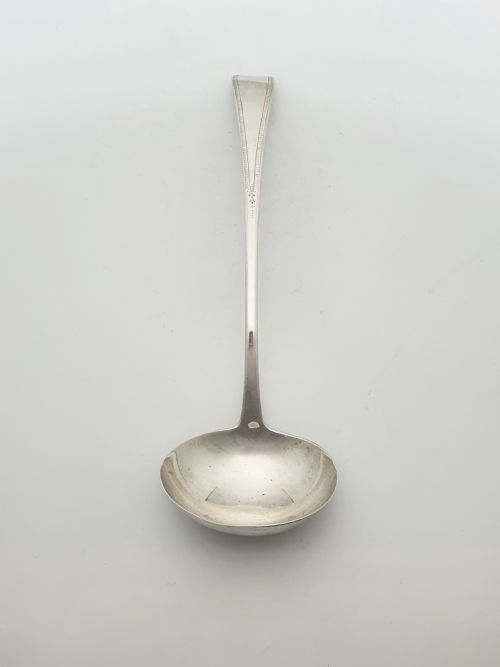


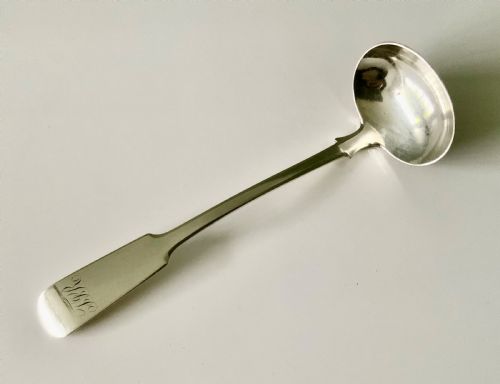
Georgian Silver Punch Spoon
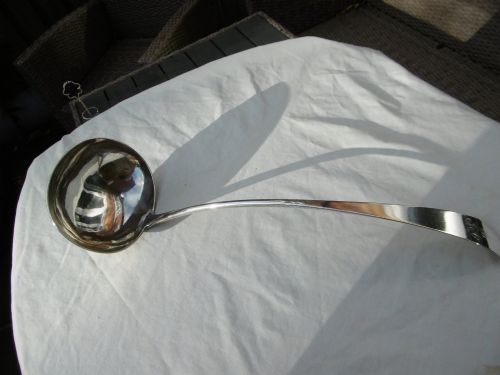
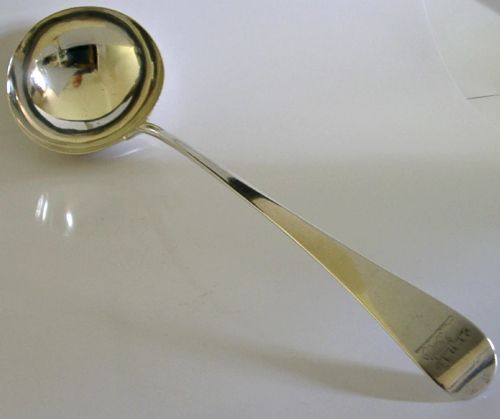
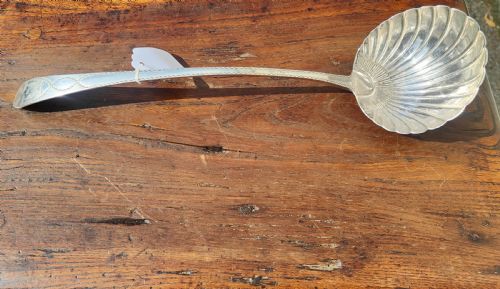
These georgian silver punch spoon examples bring eighteenth and nineteenth century silverwork to the table with deep bowls and turned handles.
Georgian Silver Punch Spoon
A georgian silver punch spoon connects you directly to the dining and drinking habits of the eighteenth and nineteenth centuries, taking the form of specialised ladles and serving utensils. You are most likely to encounter pieces described as toddy ladles, soup ladles, and serving spoons hailing from the Georgian, Regency, and Victorian periods.
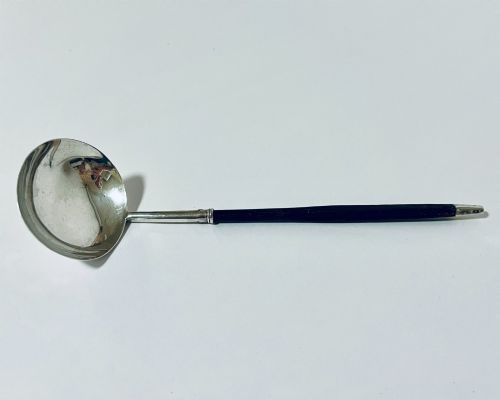
Many examples combine sterling silver bowls with organic handles made from wood, horn, or coquilla nut. The forms range from provincial Scottish and Irish designs to London hallmarked pieces featuring crested bowls and threaded borders.
The phrase covers everything from small punch spoons to large soup ladles. Each variation reflects the specific social rituals of pouring punch, toddy, or soup at the historic table.
Distinguishing quality in silver spoons
The standard of silversmithing dictates the appeal of a piece, separating provincial workshop output from major urban centre production. Crispness in engraved crests and clear hallmarks elevate an example above standard manufacturing.
The integration of organic handle materials like coquilla nut or horn with the silver bowl shows the skill of the maker. Weight, balance, and the preservation of original form without excessive wear define the upper tier.
Listings feature sterling silver, wood, horn, and coquilla nut across Georgian, Regency, and Victorian periods.
Milne and Campbell·Hester Bateman·Michael Smith
The Georgian Silver Punch Spoon Glossary
- Toddy ladle
- A small spoon designed for transferring hot punch or toddy into smaller drinking vessels. These often feature twisted whalebone, wood, or horn handles.
- Punch spoon
- An alternative term for a ladle used during communal punch service. They frequently display eighteenth century hallmarks and generous bowls.
- Sterling silver
- An alloy consisting of silver and other metals, traditionally copper, standard for British plate. It provides the durability needed for dining implements.
- Coquilla nut
- The hard, brown seed of a South American palm used for turning small decorative items. It appears on eighteenth century handle sections.
- Hallmark
- An official stamp applied to precious metals to indicate purity, origin, and maker. English, Scottish, and Irish examples carry distinct regional symbols.
Georgian Silver Punch Spoon: Frequently Asked Questions
How do I identify an eighteenth century ladle?
Look for specific hallmarks, town marks, and provincial stamps on the silver components. Stylistic details like Old English patterns or threaded borders help narrow down the production era.
Makers' marks provide direct links to known workshops operating during the Georgian period.
Why do some ladles have wooden handles?
Organic materials like wood, horn, and coquilla nut prevented heat transfer from the hot punch to the user's hand. Turned wood added a contrasting texture and lighter weight to the heavy silver bowl.
These mixed-material constructions are characteristic of eighteenth century toddy ladles.
Are Scottish and Irish ladles different?
Provincial Scottish and Irish pieces often display distinct local town marks and subtle regional design variations compared to London silver. These variations make them particularly sought after by specialist collectors.
The craftsmanship reflects the output of smaller independent workshops outside the capital.