



Silver Porringer Bowl
A silver porringer bowl brings deep historical character to a table, combining twin handles with a classic domestic vessel form.
Silver Porringer Bowl
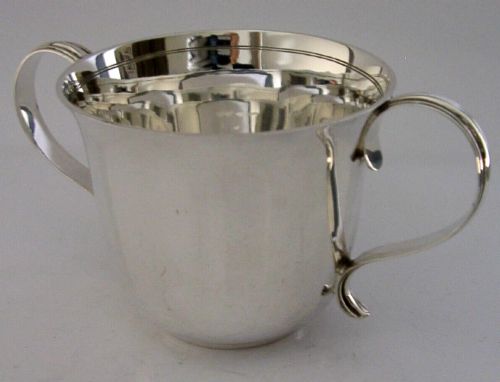
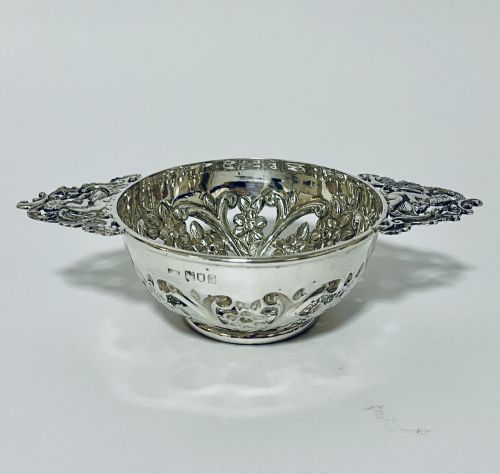
A silver porringer bowl is a traditional lidded or open vessel featuring two handles, designed historically for personal dining and domestic use. When exploring this selection, buyers encounter forms ranging from late seventeenth-century originals to twentieth-century revivals, including christening sets and quaich variants.
The material composition spans sterling silver, Britannia standard silver, and pewter, often supplemented by fitted leather, velvet, or silk linings in presentation cases. Pieces adopt stylistic elements from the seventeenth century, Edwardian era, Victorian period, and Arts and Crafts movement.
Materials and construction
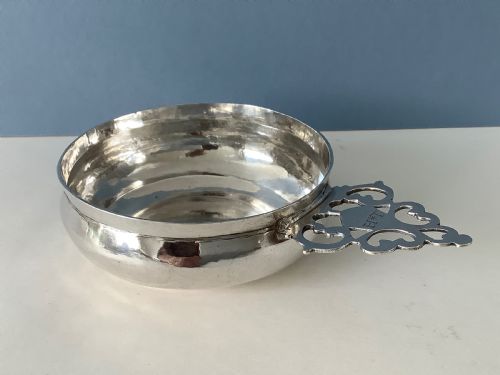
Silversmiths employed sterling silver and Britannia standard silver alongside traditional pewter, hammering and shaping the metal into circular bowls with applied tab handles or cast scroll grips. Planished surfaces show distinct hammer marks left deliberately on Arts and Crafts examples from the twentieth century.
Some seventeenth-century and later pieces incorporate lids and covers, while others were paired with fitted presentation boxes lined in velvet or silk. Makers also utilised coins inset into the metalwork or engraved family crests directly onto the bowl surface.
Listings include materials ranging from traditional pewter and sterling silver to Britannia standard silver, alongside velvet, leather, and silk box linings.
Assessing quality in a silver porringer bowl
Quality rests on the crispness of the hammering, the structural integrity of the handles, and the clarity of any engraved heraldry or maker marks. Period originals demonstrate the hand-wrought thickness characteristic of early silversmithing, whereas later copies and revivals depend on the precision of the casting and planishing technique.
The presence of matching original covers or fitted boxes alters the completeness of the object. Weight and gauge of the silver also differentiate standard domestic vessels from heavier presentation pieces.
Corney Drake·Asprey·A E Jones·Goldsmiths And Silversmiths·Elkington And Co
The Silver Porringer Bowl Glossary
- Porringer
- A two-handled bowl or cup used historically for porage, broth, or soft foods. These vessels often feature pierced flat handles or scroll handles.
- Quaich
- A traditional Scottish two-handled drinking vessel adapted into shallow circular bowl forms with applied tab handles. They share display characteristics with standard porringers.
- Britannia Standard
- A higher standard of silver purity than sterling, introduced by Act of Parliament in England to discourage the melting of coinage. It contains ninety-five point eight percent pure silver.
- Planished
- A metal surface finished by hammering with a polished round-faced hammer to create a textured pattern of small facets. This technique is prominent on Arts and Crafts pieces.
Silver Porringer Bowl: Frequently Asked Questions
What is a silver porringer bowl used for?
Historically, these vessels served personal dining needs for porage, broths, and semi-liquid foods in seventeenth-century households. Over time, their function shifted toward ceremonial display, christening gifts, and decorative collection.
Today, buyers use them as small display bowls, table centerpieces, or traditional christening gifts for infants. Their distinctive twin handles and circular forms make them suited for holding small trinkets or standing alone as decorative objects.
How do I tell an original seventeenth-century piece from a later copy?
Distinguishing early originals from later copies requires careful examination of the hallmarks, metal gauge, and manufacturing wear patterns. Seventeenth-century pieces carry period specific maker marks and assay office symbols that differ from twentieth-century revival hallmarks.
Later copies often explicitly date their inspiration or bear twentieth-century date letters while mimicking seventeenth-century styles like William and Mary or Queen Anne designs. Comparing the weight and construction style provides further clues to the actual age of the silver.
Are pewter porringers older than silver ones?
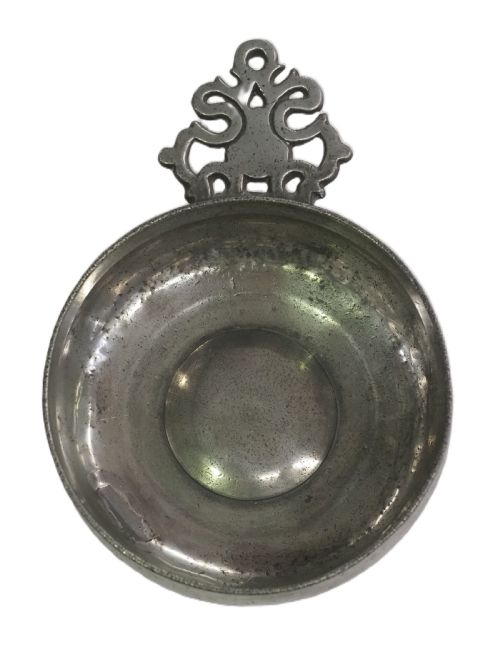
Pewter porringers from the evidence date to around seventeen hundred, mirroring the domestic forms produced in silver during the late seventeenth century. Both materials served similar functional roles in households of differing economic means.
While silver examples often survived as family heirlooms and carried precious metal hallmarks, pewter versions provided durable utility for everyday dining. Surviving pewter pieces possess their own distinct touchmarks from the period.
How should I clean a silver porringer bowl?
Cleaning requires a soft microfiber cloth and a mild silver polish formulated specifically for antiques to preserve the original surface detail and hallmarks. Avoid abrasive materials that can wear down engraved family crests or delicate planished hammer marks.
When dealing with Britannia standard silver or seventeenth-century pieces, gentle maintenance prevents damage to fragile areas. Regular dusting and minimal polishing help maintain the natural patina accumulated over centuries.