



Cast Silver Handles
Cast silver handles anchor vessels, cutlery, and trays across centuries of British, European, and American domestic silver.
Cast Silver Handles
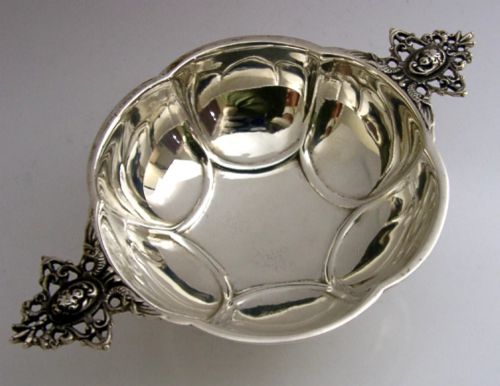
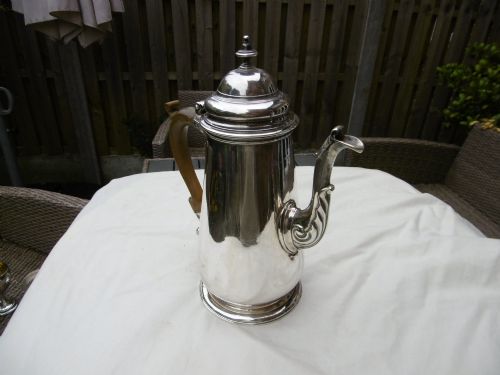
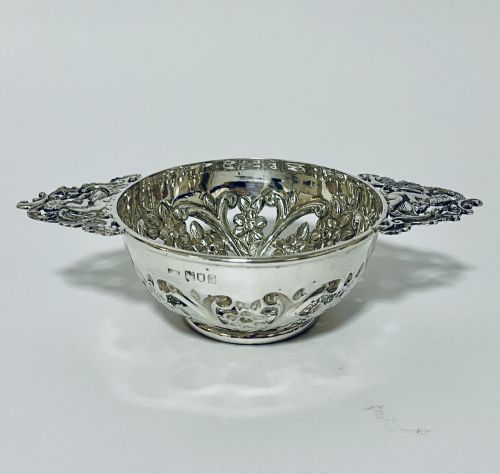
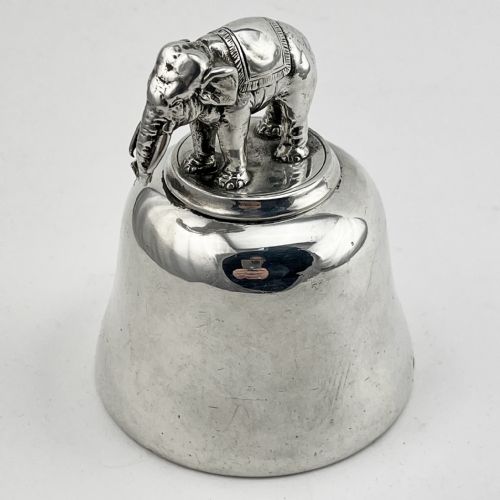
When buyers search for cast silver handles, they encounter functional components attached to bowls, coffee pots, fruit knives, table bells, sugar baskets, and serving dishes. These elements appear on pieces ranging from eighteenth-century coffee pots and Victorian sugar baskets to Edwardian quaichs and mid-century barware.
The objects carrying these handles span eras from the seventeen-hundreds through the Victorian and Edwardian periods up to nineteen-sixty. Solid silver, sterling silver, silver-plated metal, and pewter form the primary bodies to which these substantial grips are joined.
Styles mirror the eras of their creation, taking shapes from Georgian and Victorian naturalistic motifs to Continental Rococo revival and traditional Dutch designs. Buyers most frequently meet sugar baskets with cast floral handles, coffee pots with side grips, and serving pieces featuring figural or scroll forms.
How they were made
Makers produced these grips primarily through traditional casting techniques, pouring molten metal into moulds to achieve high relief and intricate detail. This method allowed silversmiths to form complex shapes such as floral sprays, scrollwork, and animal heads that hammered sheet silver could not easily replicate.
Silversmiths combined sterling silver and solid silver with secondary materials including wood, mother of pearl, glass, and pewter depending on the object type. Handles were subsequently soldered or pinned securely to the main bodies of bowls, urns, and trays to withstand regular lifting.
Some nineteenth-century designers opted for cast gargoyles and swans as handles, proving that practical vessels needed a touch of theatre.
What varies in quality
The distinction between ordinary and superior pieces rests on the crispness of the cast detail and the harmony of the design. Heavy gauge metal and deep relief work indicate a more ambitious output from the silversmith, whereas shallow pressing or blurred ornamentation suggests a standard commercial piece.
Proportion and secure attachment also dictate worth, as top-tier examples balance the weight of the vessel with a comfortable, well-anchored grip. Makers who invested time in hand-chasing the cast surface after removal from the mould achieved a superior finish that elevates the item.
Richard Gurney·Sampson Mordan and Co·Sebastian Crespell
The Cast Silver Handles Glossary
- Cast
- Formed by pouring molten metal into a mould rather than hammering sheet silver. This technique permits deep relief and complex sculptural shapes.
- Sterling silver
- An alloy containing ninety-two point five percent silver by mass, with the remainder usually copper. It provides the standard composition for durable domestic tableware.
- Quaich
- A traditional shallow two-handled drinking vessel of Scottish origin. These often feature simple or decorative lug handles.
- Porringer
- A small, shallow bowl with one or two horizontal flat handles. Early examples frequently appear in pewter or silver.
- Chasing
- The art of working metal from the front with punches and hammers to refine cast details. This process sharpens surface decoration after the casting stage.
Cast Silver Handles: Frequently Asked Questions
What are cast silver handles used for?
These elements provide secure lifting points for heavy tableware such as coffee pots, sugar baskets, and serving dishes. They distribute weight evenly while adding decorative character to domestic items.
Craftsmen designed them to withstand daily service on tea tables, sideboards, and dining rooms across the eighteenth, nineteenth, and twentieth centuries.
How do I clean cast silver handles?
Maintenance requires a soft cloth and a gentle silver polish formulated to protect delicate recesses. Avoid harsh dips that can strip the dark oxidation designed to highlight deep-cast details.
Careful brushing with a soft-bristled brush removes residue from intricate crevices without scratching the metal surface beneath.
Are these handles solid silver or plated?
Listings feature both solid sterling silver and silver-plated base metals depending on the specific item and period. Makers marked sterling pieces with hallmarks indicating purity and origin.
Plated variants typically use a durable metal core beneath a thin layer of silver to achieve a similar visual weight at a different scale of production.
How can I tell the period?
Dating relies on stylistic clues, manufacturing techniques, and official hallmarks stamped directly onto the metal. Georgian and Victorian pieces exhibit distinct naturalistic or revivalist motifs unique to their decades.
Matching the handle style to the main body of the bowl or pot confirms whether the component is original to the piece.