



Silver Pocket Vinaigrette
A silver pocket vinaigrette is a small container holding a sponge soaked in aromatic vinegar, designed to refresh the senses during foul-smelling journeys.
Silver Pocket Vinaigrette
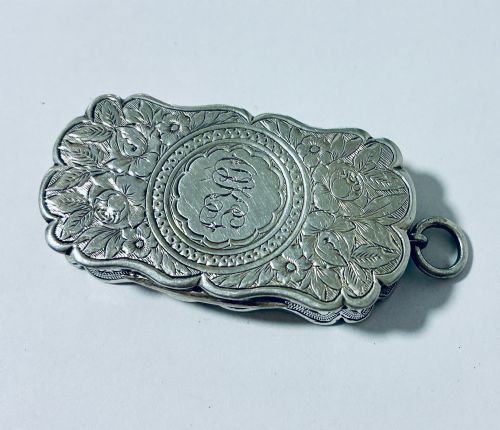
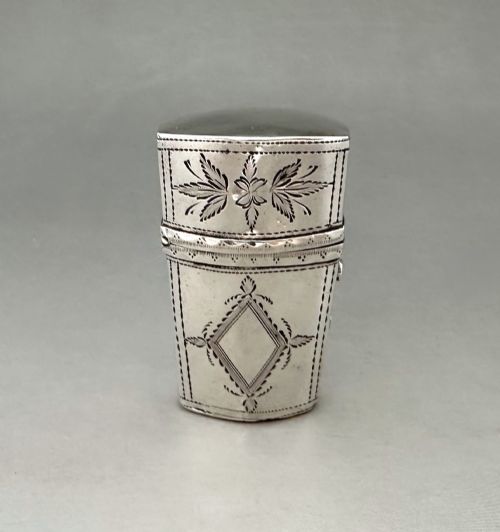
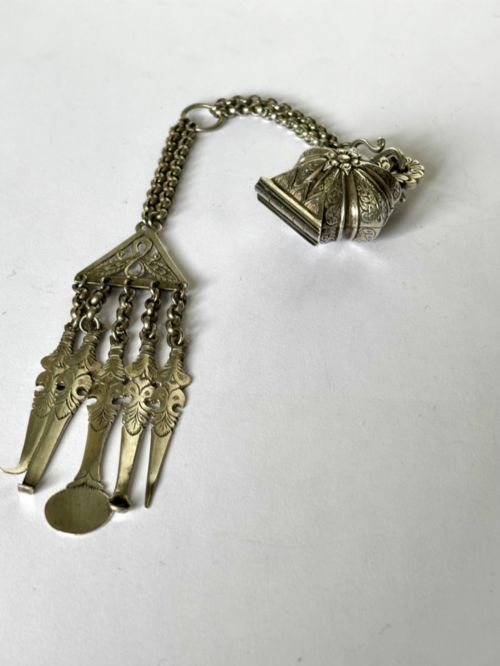
A silver pocket vinaigrette is a diminutive container, usually found in Georgian and Victorian forms alongside related items like small silver boxes, scent bottles, and snuff boxes. These objects were made to be carried easily in a pocket or suspended from a chatelaine for ready access when needed.
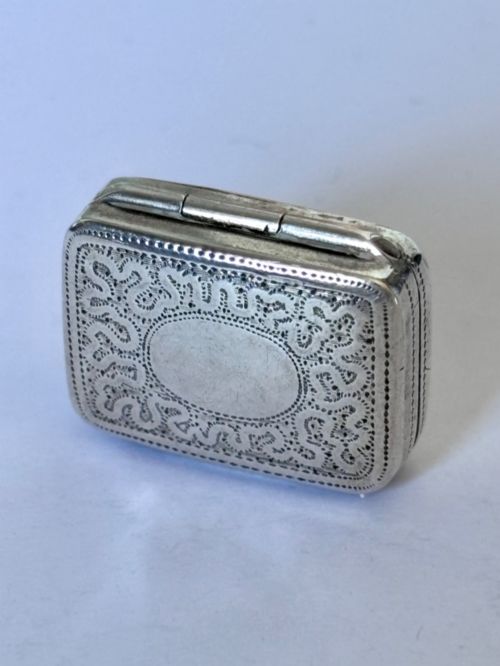
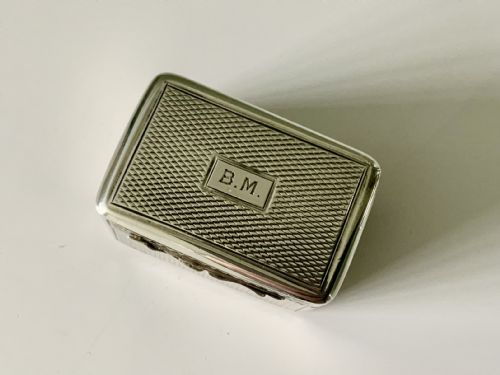
The pieces appearing on this page span the eighteenth and nineteenth centuries, including specific periods such as George III, George IV, William IV, and early Victorian eras. Most examples take the form of small rectangular or novelty boxes fitted with hinged lids.
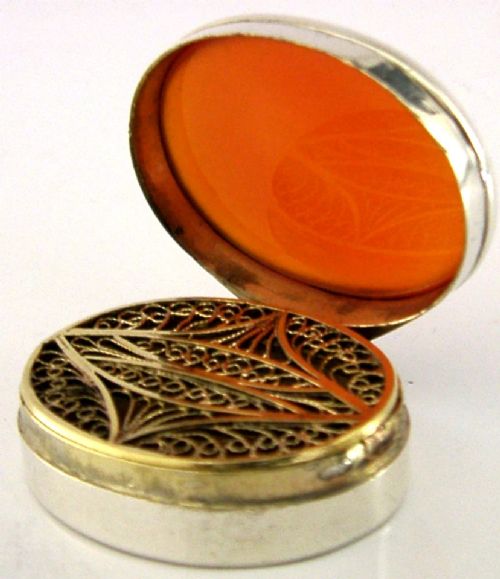
Inside each silver pocket vinaigrette lies a pierced internal grille, which allows the scent of the vinegar-soaked sponge to escape while keeping the sponge securely in place. Collectors encounter both plain sterling silver designs and more elaborate variations incorporating agate or gold plate.
Materials and construction
Makers constructed each silver pocket vinaigrette primarily from sterling silver and silver gilt, frequently employing bright cut engraving or cast ornamentation to decorate the exterior. Internal grilles were pierced and engraved by hand, often featuring floral or geometric patterns that demanded considerable precision.
Select examples incorporate decorative hardstones such as orange agate set into the lid, while others survive alongside their original leather cases and sponges. Silversmiths utilised traditional stamping, chasing, and smithing techniques to shape the miniature bodies and secure the tiny hinges.
The inventory spans the eighteenth and nineteenth centuries, taking in George III, George IV, William IV, and Victorian periods.
Assessing quality and craftsmanship
Quality in a silver pocket vinaigrette rests upon the crispness of the exterior engraving and the delicacy of the pierced internal grille. Pieces boasting intricate pierce-work and well-defined cast motifs stand apart from simpler, plain-sided versions.
The inclusion of hallmarks denoting specific makers and assay towns adds significant distinction, as does the presence of original fitted cases or unusual forms like castle tops. Superior execution is visible in the tightness of the lid closure and the harmonious integration of materials such as agate.
THOMAS JOHNSON·Nathaniel Mills·John Bettridge·Samuel Pemberton·Ledsam Vale Wheeler
The Silver Pocket Vinaigrette Glossary
- Vinaigrette
- A small hinged box containing a perforated grill and a sponge soaked in aromatic vinegar. These were carried to mask unpleasant odours in public spaces.
- Grille
- The pierced internal plate fitted beneath the lid of a vinaigrette to hold the sponge in place while releasing scent. Grilles were often intricately pierced by hand.
- Silver Gilt
- Silver that has been coated with a thin layer of gold on its surface, also known as vermeil. This technique protected the interior silver from the corrosive effects of vinegar.
- Chatelaine
- A decorative belt hook or clasp from which functional items such as vinaigrettes, scent bottles, and keys were suspended. They were worn by women of status.
- Bright Cut Engraving
- A surface decoration technique using faceted angled cuts to create sparkling geometric or floral patterns. It was especially popular during the Georgian period.
- Castle Top
- A specialised Victorian style featuring a high-relief topographical engraving of a specific building or landmark on the box lid. Christchurch College is one such recorded subject.
Silver Pocket Vinaigrette: Frequently Asked Questions
What is a silver pocket vinaigrette?
A silver pocket vinaigrette is a small antique container housing a perforated internal grille and a vinegar-soaked sponge. People carried them to counter foul odours in daily life.
Most examples date from the Georgian and Victorian periods, prized today as miniature triumphs of silversmithing and decorative art.
How were silver pocket vinaigrettes used?
Owners kept them in pockets, handbags, or hung them from chatelaines alongside other small tools. When faced with unpleasant smells outdoors or in crowded rooms, the owner opened the lid to release the scent.
The vinegar was held on a small sponge hidden securely beneath the decorated metal grille.
How do I date a silver pocket vinaigrette?
Dating relies on examining the hallmarks stamped inside the box, which indicate the assay office, year of manufacture, and the silversmith's mark. Stylistic clues like bright cut engraving or castle top scenes also point to specific decades.
Georgian pieces often feature lighter floral engraving, whereas Victorian examples sometimes showcase bolder topographical work.
What materials are used in these boxes?
The primary material is sterling silver, frequently enhanced with silver gilt interiors to prevent corrosion from the acidic vinegar. Some boxes incorporate decorative hardstones like agate set into the lid.
Original survivals may also include fitted leather cases and the original absorbent sponge.
How should I care for a silver vinaigrette?
Store the piece in a dry environment away from excessive humidity to protect both the silver and any historic interior sponge. Clean the exterior gently with a soft cloth designed for silver, avoiding harsh dips that might damage gilding or delicate engraving.
Handle the hinges and tiny latches with care to preserve their original movement.