


Victorian Sterling Silver Vinaigrette
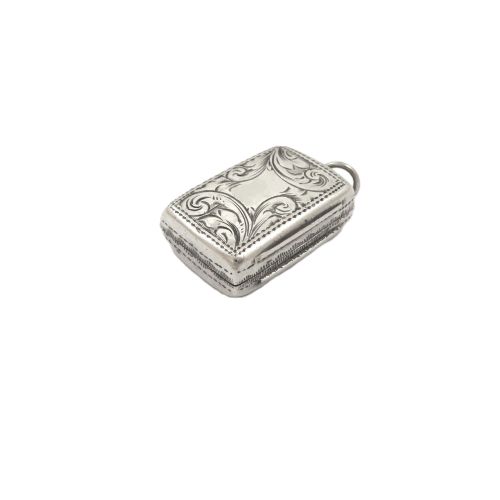
A victorian sterling silver vinaigrette is a small pocket container designed to hold a sponge soaked in aromatic vinegar, prized for carrying scents through crowded streets.
Victorian Sterling Silver Vinaigrette
A victorian sterling silver vinaigrette is primarily encountered as a small pocket box intended for personal fragrance and hygiene during the nineteenth century. The examples found here span the Victorian and Georgian periods, reaching into the later decades of the eighteen hundreds.
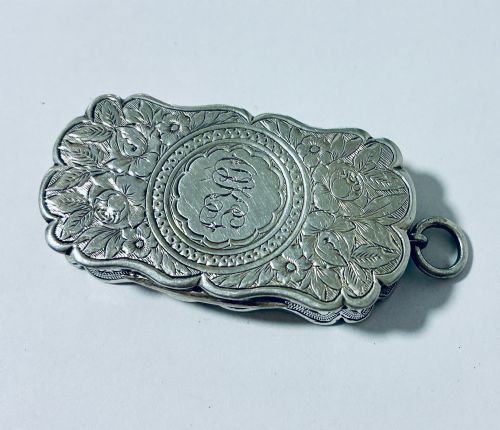
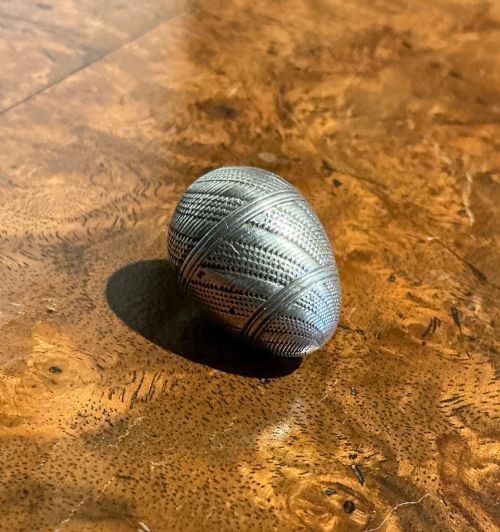
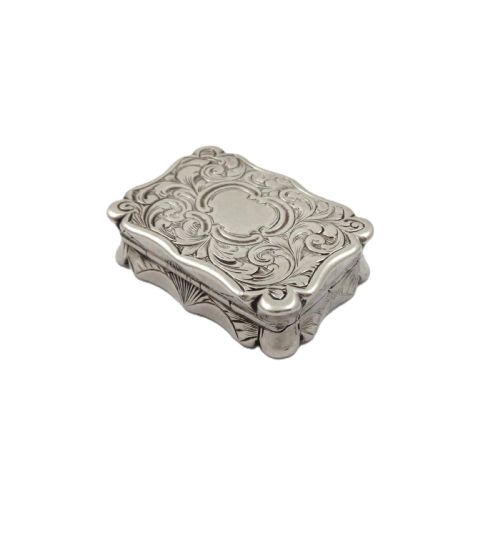
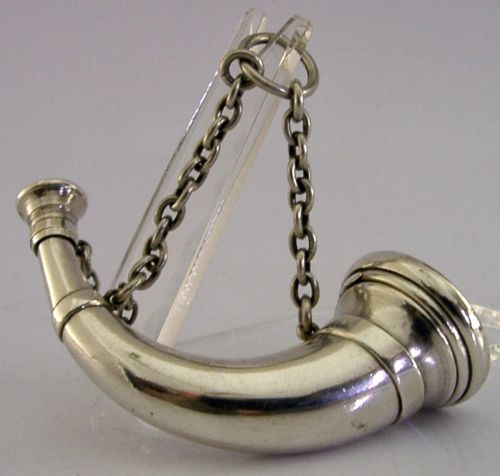
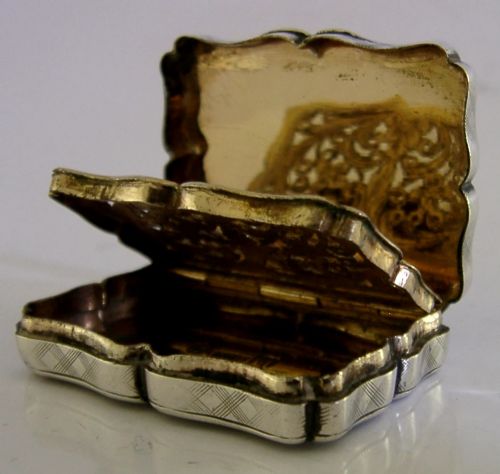
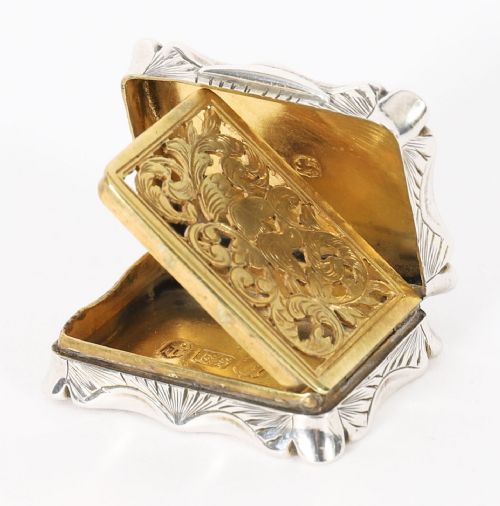
Most pieces take the form of small silver boxes or vinaigrette boxes equipped with a hinged lid that opens to reveal an internal pierced grille. Alongside standard rectangular boxes, the evidence includes egg shapes, hunting horns, novelty rose sprays, double pomanders, scent bottles, and architectural castle tops.
Makers and silversmiths shaped these items in silver, often incorporating gold gilding or silver gilt interiors to protect the metal from corrosive vinegar acids. They served as functional pocket accessories that combined metalwork with portable personal luxury.
How they were made
Silversmiths constructed these pieces from sterling silver, shaping the exterior bodies through stamping, casting, and hand engraving. Many incorporate intricate engine-turned patterns, floral motifs, or detailed architectural scenes such as castle tops.
The interior components rely on gold gilding or silver gilt applied to the metal surfaces to prevent the acetic acid in the vinegar from tarnishing and degrading the sterling silver. A hinged, finely pierced internal grille secures the sponge while allowing the scent to diffuse when opened.
The listings show materials including sterling silver, gold gilding, silver gilt, and glass, spanning periods from Georgian origins through the Victorian era.
What varies in quality
Quality rests upon the crispness of the exterior chasing, the precision of the piercing on the internal grille, and the presence of named maker marks. Pieces bearing the stamps of prominent silversmiths display superior depth in their decorative engraving and superior tightness in the box hinges.
Specialised forms, such as castle tops showing specific landmarks or novelty shapes like hunting horns and rose sprays, require greater artisanal labour than standard rectangular boxes. The preservation of the internal silver gilt layer also influences the integrity of the piece.
SAMPSON MORDAN·NATHANIEL MILLS·Edward Smith·GEORGE UNITE·Edward H. Stockwell·Cronin & Wheeler
The Victorian Sterling Silver Vinaigrette Glossary
- Vinaigrette
- A small ornamental box containing a sponge soaked in aromatic vinegar for deodorising or reviving the user. These portable containers were essential pocket accessories in the nineteenth century.
- Silver gilt
- Sterling silver that has been coated with a thin layer of gold on the interior surfaces. This technique protected the outer silver from the corrosive properties of the vinegar.
- Castle top
- A specialised box lid featuring a high-relief engraving of a famous building or landmark. Examples in the evidence depict specific locations such as Christchurch College and Kenilworth Castle.
- Grille
- The internal pierced plate that sits above the vinegar-soaked sponge. It was typically hinged and decoratively pierced with floral or geometric patterns to let the scent escape.
Victorian Sterling Silver Vinaigrette: Frequently Asked Questions
What is a victorian sterling silver vinaigrette?
A victorian sterling silver vinaigrette is a small pocket container designed to hold a sponge soaked in aromatic vinegar. These boxes were carried to mask unpleasant odours and provide a quick refresh in crowded or unsanitary environments.
They feature an outer silver case and an inner pierced grille that allows the fragrance to escape when the lid is lifted. Collectors value them for their intricate metalwork and miniature scale.
How were vinaigrettes used?
Users placed a small sponge saturated with perfumed vinegar inside the inner compartment of the box. The aromatic vinegar served as a personal deodoriser and a restorative tonic against fainting.
Carried in a pocket or reticule, the vinaigrette was opened whenever noxious smells arose or when the user needed a reviving scent.
How do I care for my vinaigrette?
Keep the piece dry and avoid exposing the interior gilt to harsh cleaning agents or fresh vinegar. Gentle dusting with a soft cloth preserves the antique finish without wearing down the fine engraving.
Store the box in a stable environment away from high humidity to protect the delicate hinges and the gold wash on the interior.
How do I identify the maker?
Look inside the lid or along the inner rim for hallmark stamps that indicate the assay office, the year of manufacture, and the silversmith's mark. These tiny stamped initials or names connect the piece to documented makers.
Reference marks against silversmith registries to trace the specific workshop and date of production for each individual box.