



Silver Plated Water Pitcher
These silver plated water pitcher examples span periods from the eighteenth century to the mid-twentieth century, combining metalwork and glass to serve liquids with elegance.
Silver Plated Water Pitcher
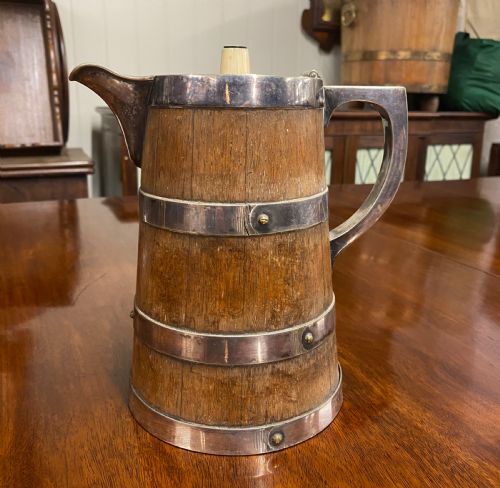
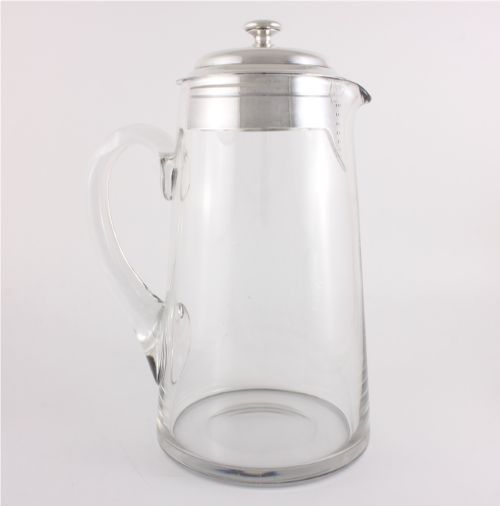
A silver plated water pitcher serves liquids at the table, taking forms such as claret jugs, beer jugs, lemonade jugs, and ewers. When you search for a silver plated water pitcher, you encounter diverse domestic vessels designed for serving water, beer, wine, and coffee.
The selection ranges from early Old Sheffield Plate pieces carrying early marks to Edwardian cut glass mounts and mid-century modern designs. These vessels appear in forms including lidded tankards, tea sets, and ice tube jugs across periods from the eighteenth century to the nineteen-fifties.
Makers and houses such as Christofle, Mappin and Webb, Valenti, and Sue et Mare for Orfèvrerie Gallia produced these utilitarian and decorative objects. Materials paired with the silver plating include copper, cut glass, cranberry glass, wood, and bone.
How they were made
Makers utilised silver plate and Old Sheffield Plate, fusing thin layers of silver to copper bases or applying silver plating to base metals. Early pieces rely on the Old Sheffield Plate technique, whereas later examples employ nineteenth and twentieth-century electroplating methods.
Bodies combine metal with cut glass, cranberry glass, wood, and bone for handles, insulators, and decorative inserts. Master craftsmen incorporated functional additions such as internal ice tubes and hinged lids to improve utility.
Stylistic phases from Georgian, Victorian, and Edwardian periods gave way to Art Nouveau, Art Deco, and Mid-Century Modern designs. Workshops utilised casting, hammering, and glass-cutting techniques to shape the vessels.
Silver Plated Water Pitcher Retail Price Guide 2026
Typical asking prices for silver plated water pitcher among the pieces listed under this phrase on Sellingantiques today, from the lower quarter to the upper quarter. They describe what is for sale here now, not the wider market.
Some nineteenth-century lemonade jugs include built-in ice tubes so guests could chill their drinks without watering them down.
What varies in quality
The method of plating dictates much of the character, distinguishing the fused silver and copper of Old Sheffield Plate from later electroplated wares. Early marks, maker signatures from houses like Christofle, and named designers such as Sue et Mare elevate the standing of a piece.
The integration of secondary materials like hand-cut glass, cranberry glass, or bone and wood components separates standard production from finer creations. Intricate stylistic execution, seen in Art Nouveau flora or Art Deco geometry, marks the upper tier of craftsmanship.
Christofle·Mappin and Webb·Valenti·Sue et Mare·Orfèvrerie Gallia
The Silver Plated Water Pitcher Glossary
- Old Sheffield Plate
- A method of fusing a thin sheet of silver to a thicker copper base before shaping, used before electroplating was invented. This technique shows a thin line of copper at cut edges.
- Silver Plate
- A layer of silver applied to a base metal such as copper or Britannia metal. This process became widespread during the nineteenth century.
- Ice Tube
- A removable metal cylinder placed inside jugs to cool liquids without diluting them. These cylinders appear in nineteenth-century lemonade and beverage jugs.
- Ewer
- A large jug with a flared spout and curved handle, often paired with a matching basin. These vessels served for hand-washing at the table or as decorative water carriers.
- Claret Jug
- A vessel specifically designed for serving red wine, typically featuring a glass body with silver plated mounts, hinged lids, and spouts.
Silver Plated Water Pitcher: Frequently Asked Questions
How do I clean a silver plated water pitcher?
Clean silver plated items gently using specialised silver polish and a soft cloth to avoid wearing away the thin silver layer. Wash glass bodies separately in warm soapy water without submerging wooden or bone handles.
Prevent harsh chemical cleaners and abrasive pads from touching the metal surface. Proper storage in a dry environment reduces tarnishing between uses.
What is the difference between Old Sheffield Plate and silver plate?
Old Sheffield Plate involves physically fusing silver onto a copper core through heat and pressure before fabrication. This creates a distinctive dual-metal structure where copper occasionally shows at the seams.
Standard silver plate uses an electrical current to bond a thin coating of silver onto a base metal object. This later electroplating process leaves a uniform metallic surface without the characteristic copper edges.
Can I use these pitchers for serving drinks today?
Many pitchers remain fully functional for serving water, wine, or iced beverages at the dining table. Check the interior condition to ensure the plating remains intact and clean before liquid use.
Avoid leaving acidic liquids like lemonade inside metal vessels for extended periods. Hand washing preserves both the structural integrity and the decorative plating.
How do I date an antique water pitcher?
Examine the style markers, construction methods, and any maker's marks or stamped hallmarks on the base. Georgian and early nineteenth-century pieces often feature Old Sheffield Plate characteristics, while Edwardian and mid-century examples show distinct aesthetic movements.
Compare the handle construction, mounting techniques, and glass-cutting styles with known period standards. Maker signatures provide the most reliable guide to specific production decades.