




Silver Plated Table Service
A silver plated table service brings matching or complementary dining implements and vessels to the table, offering functional elegance for hosting.
Silver Plated Table Service
A silver plated table service encompasses coordinated sets designed for dining and serving, ranging from cutlery and flatware to cruet sets and spirit kettles. These pieces bring a unified aesthetic to the dining room, drawing on traditional forms from the nineteenth and twentieth centuries.
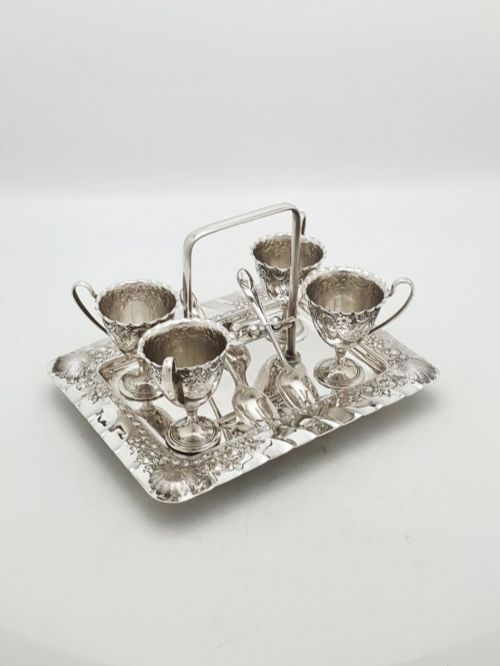
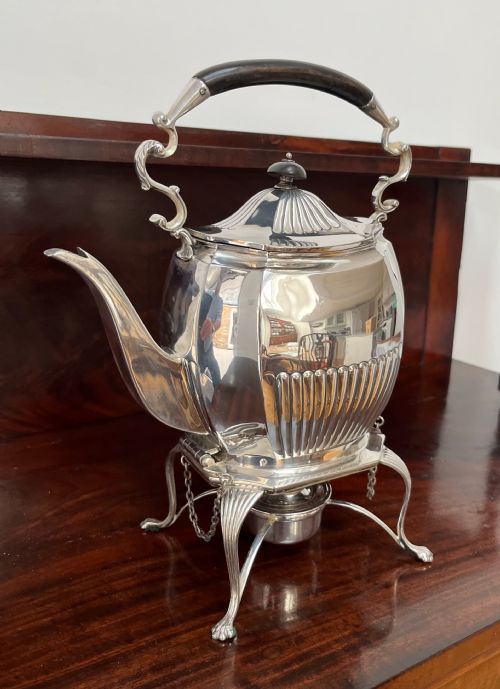
Cruet sets and spirit kettles dominate the selection, often featuring Edwardian or Victorian stylistic influences. Buyers encounter these alongside chargers, butter dishes, and serving sets.
The assortment spans diverse periods, including Victorian, Edwardian, and Art Deco eras, alongside mid-twentieth-century examples. This variety allows collectors to select tableware that suits both formal dining and display.
Materials and construction
Base metals receive an application of silver plating to achieve the lustre of solid silver without the associated weight or cost. Artisans combine this plating technique with supplementary materials such as glass liners, ebony handles, and bone components.
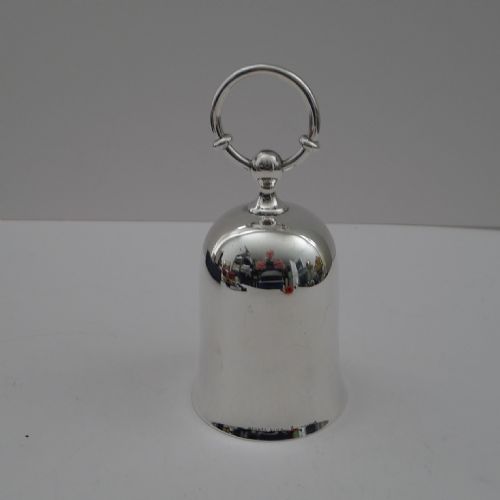
Cut glass and clear glass appear frequently in cruet bottles and butter dishes, providing contrast to the reflective metallic surfaces. Wood and brass also support structural elements like stands and bases across spirit kettles and bells.
Listings incorporate items spanning from the nineteenth century through the 1960s, utilising materials including silver plate, cut glass, bone, and ebony.
Assessing quality in silver plate
Quality rests in the crispness of the embossing and the integrity of the underlying metalwork. Finer examples display deep, sharp chasing and well-balanced stands that remain stable during use.
The completeness of a set and the preservation of original components, such as glass inserts and burners, determine the overall desirability. Maker attribution and robust construction further distinguish superior pieces from standard production.
Christofle Marly·Mappin & Webb·Frederik Ellis Tim And Co
The Silver Plated Table Service Glossary
- Cruet set
- A matched collection of small bottles or jars for condiments, held in a dedicated frame. These typically house oil, vinegar, mustard, and pepper.
- Spirit kettle
- A water kettle mounted on a metal stand with an integrated spirit burner underneath. It allowed hosts to keep water hot at the table.
- Charger plate
- A large decorative base plate placed beneath other dinnerware during formal meals. They add a layer of formality and protect the table surface.
- Flatware
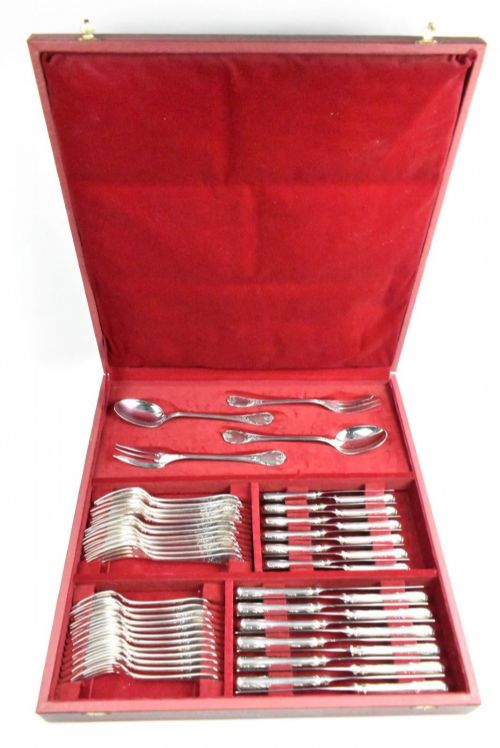
- Dining utensils such as spoons and forks used for eating. In silver plate, these often arrive in fitted wooden cases.
Silver Plated Table Service: Frequently Asked Questions
How do I clean silver plated tableware safely?
Use a specialised silver polish and a soft cloth to remove tarnish without scrubbing. Avoid abrasive pads that can wear through the thin silver layer.
Wash pieces in warm, soapy water and dry them thoroughly immediately afterward to prevent water spots and corrosion.
Were spirit kettles used for daily dining?
Spirit kettles served primarily during formal tea service and drawing room gatherings rather than everyday meals. They provided a continuous supply of hot water before electric kettles became common.
Guests appreciated the theatre of the small burning flame beneath the kettle while tea was poured.
Can I use antique cruet sets for dining today?
Many cruet sets remain entirely functional for serving oils, vinegars, and condiments at the dinner table. Checking the condition of glass inserts ensures they hold liquids securely.
Careful hand washing preserves the delicate frames and prevents damage to older glass components.
How do I distinguish Edwardian pieces from Victorian ones?
Victorian items often lean toward heavier ornamentation, incorporating ornate Rococo Revival motifs and deep embossing. Edwardian pieces frequently lighten these forms, reflecting a transition toward cleaner lines while maintaining traditional charm.
Examining the overall weight and decorative restraint helps clarify the manufacturing era.