
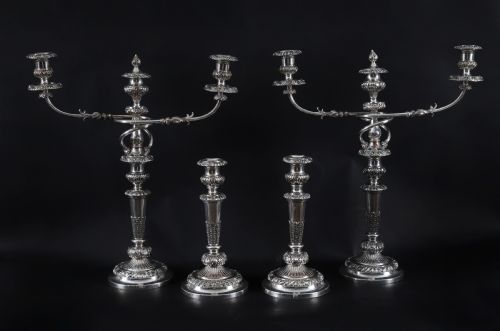
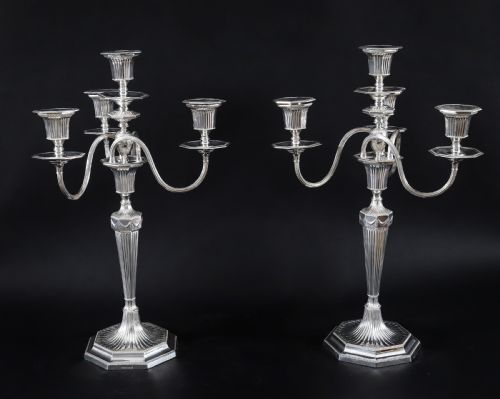
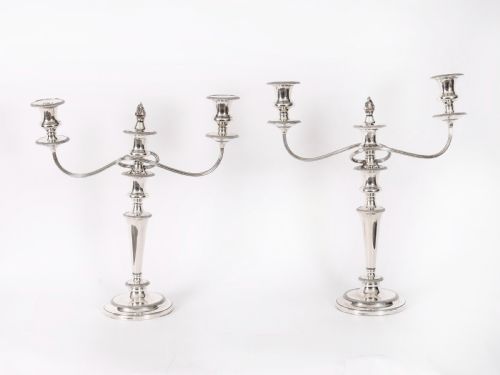
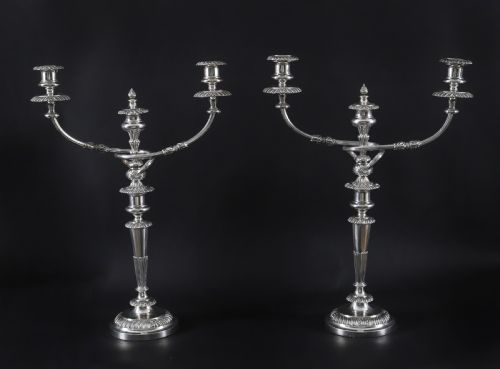
Silver Plated Table Candlesticks
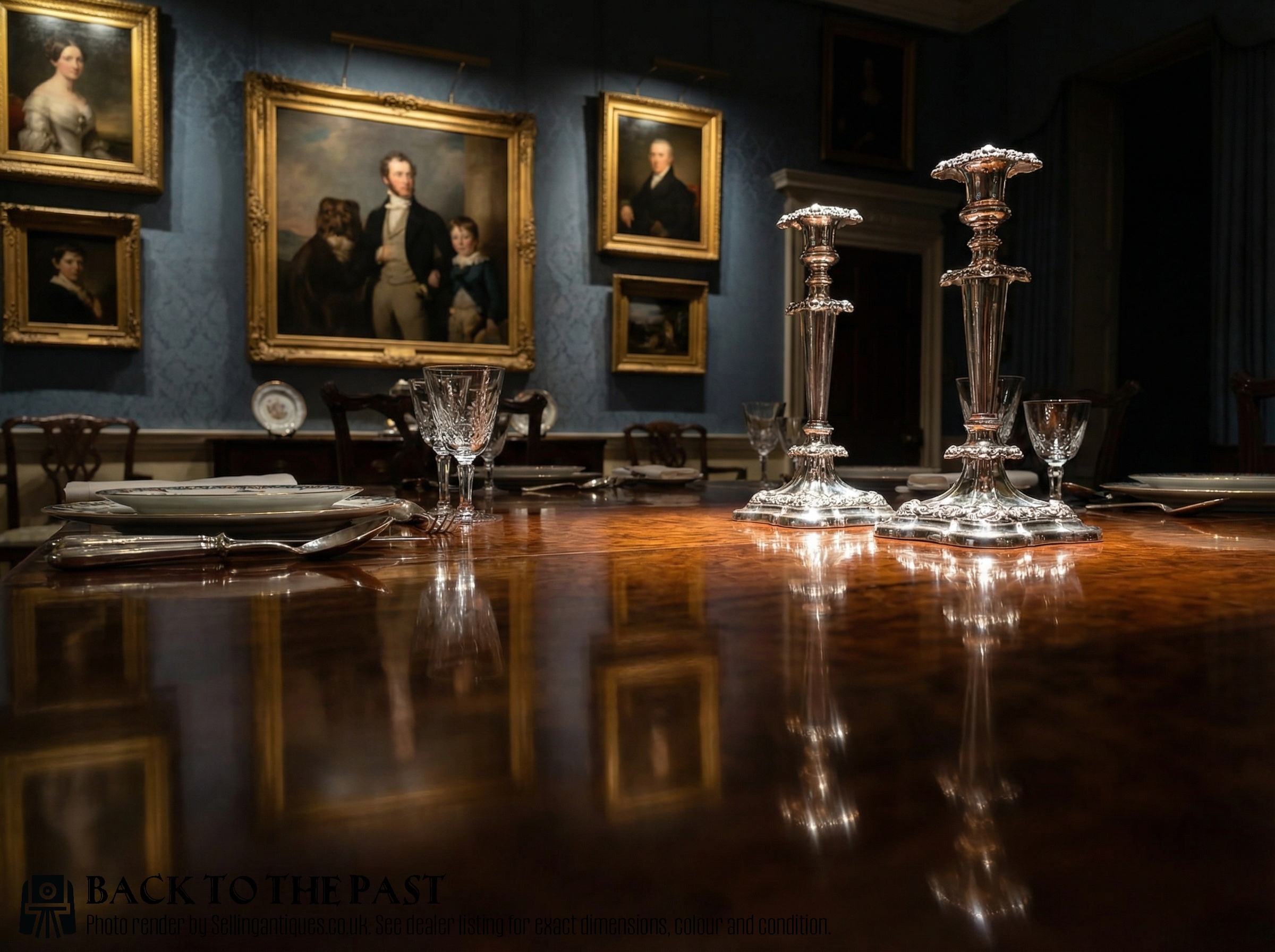
Silver plated table candlesticks bring formal illumination and period presence to a dining room, spanning Georgian elegance through to Edwardian design.
Silver Plated Table Candlesticks
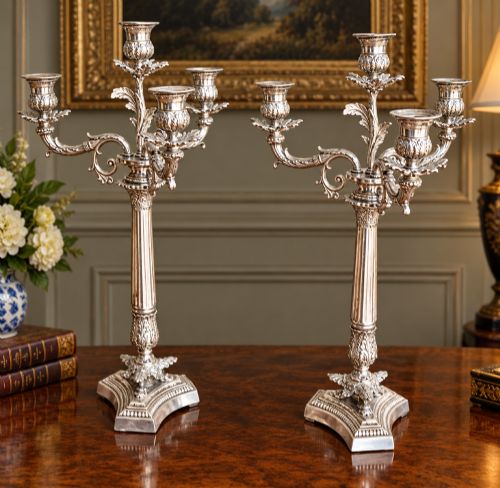
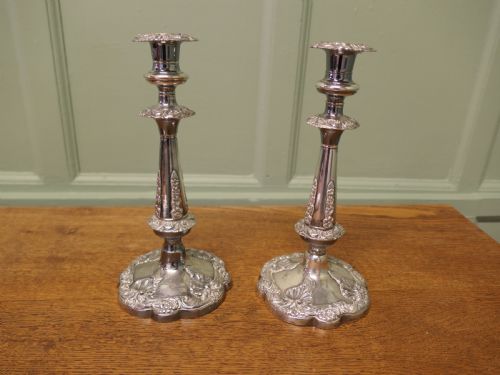
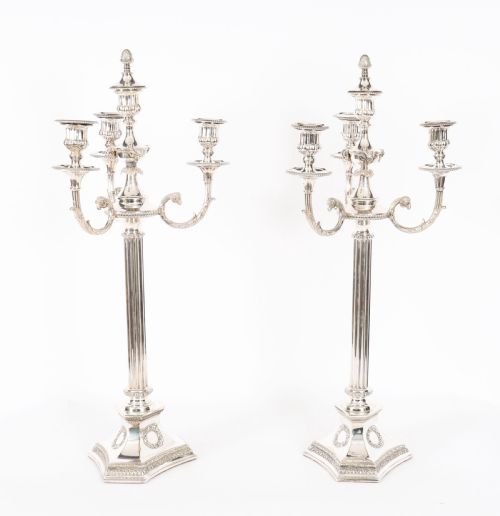
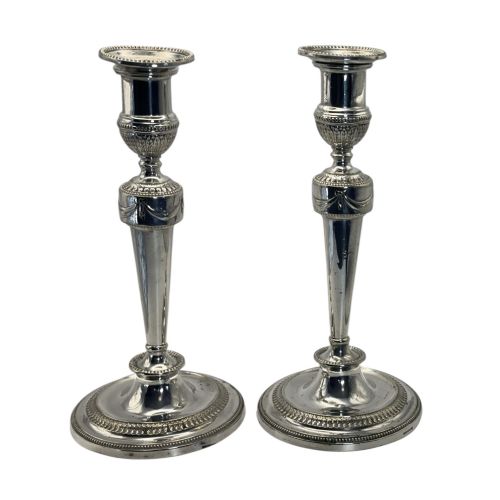
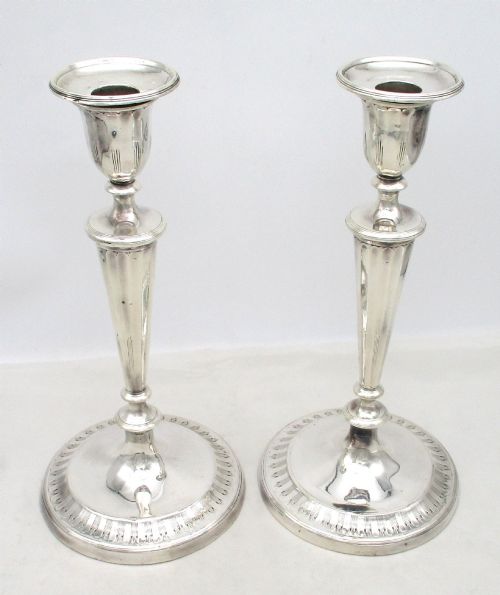
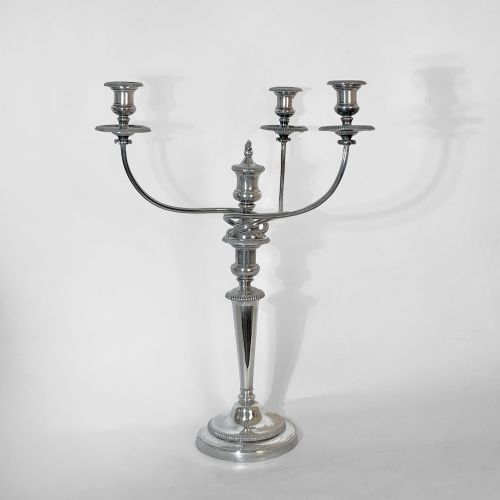
Silver plated table candlesticks encompass simple single-light shafts as well as multi-branch candelabra, often designed for dining tables or sideboards. The pieces available here cross the eighteenth, nineteenth, and early twentieth centuries, reflecting changing domestic lighting needs.
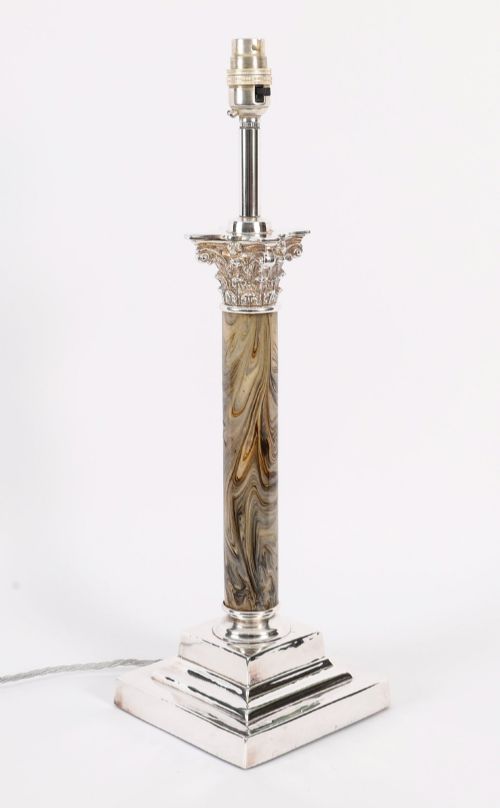
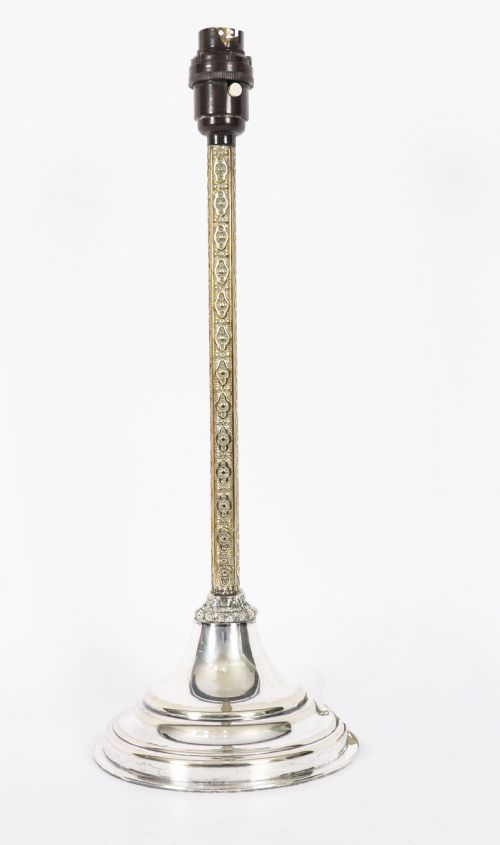
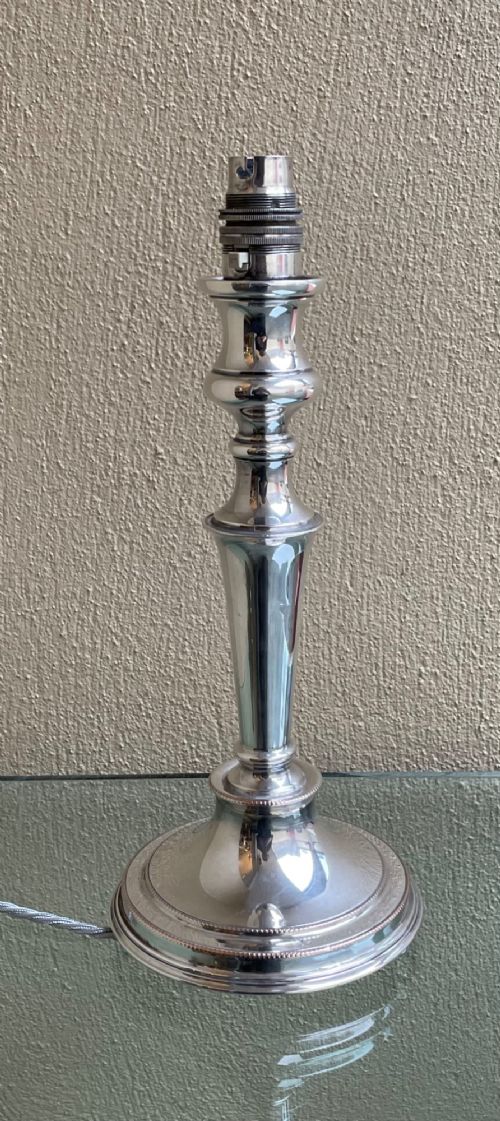
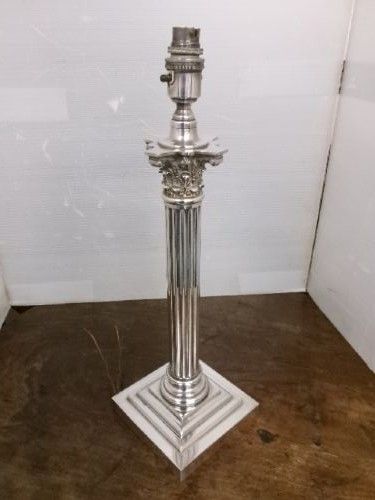
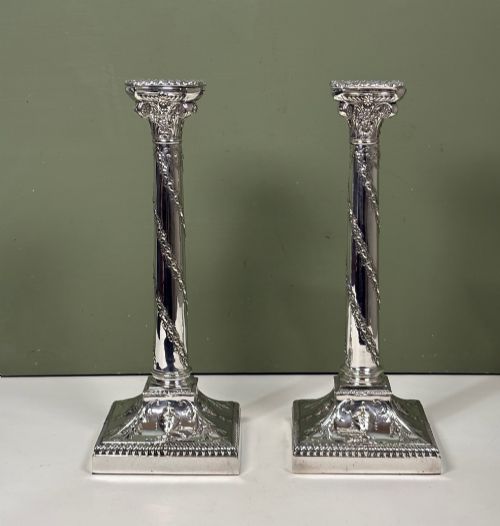
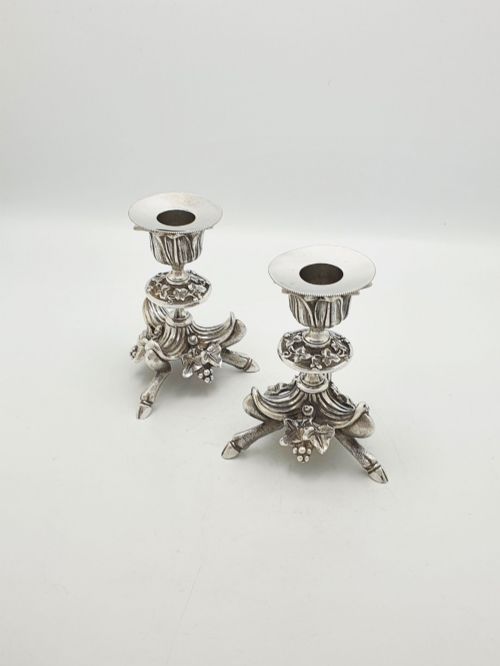
Victorian and Edwardian examples appear frequently, alongside earlier George III forms and later converted table lamps. Makers applied classic revival styles, producing Neoclassical Corinthian columns and elaborate Rococo forms to suit formal interiors.
Materials and Plating Methods
Silversmiths built these candlesticks using a base metal such as brass, copper, or nickel silver, applying a layer of silver over the core. Early pieces often utilised Old Sheffield Plate, fusing a sheet of silver to a copper ingot before shaping.
Later nineteenth-century production shifted towards electroplating, creating EPNS and electroplated nickel silver wares that allowed for deep ornamentation, parcel gilt highlights, and detachable sconces.
Victorian dining tables once featured silver plated palm tree centerpieces complete with integrated dishes.
Distinctions in Execution and Weight
Quality rests in the crispness of the chased or cast detail, where finer specimens retain sharp acanthus leaves and fluting rather than softened, worn contours. Substantial weight and solid construction separate better items from lighter, mass-produced alternatives.
The preservation of the silver layer dictates overall desirability, as heavy wear reveals the underlying brass or copper base metal. Pieces by notable makers often exhibit superior structural balance and secure multi-branch joints.
Mappin & Webb·Hawksworth Eyre·Garrard & Co·Matthew Boulton·Smith & Sissons·WMF
The Silver Plated Table Candlesticks Glossary
- Old Sheffield Plate
- A fused laminate method where a thin sheet of silver is bonded to a copper base before forming.
- EPNS
- Electroplated nickel silver, a common base and plating combination introduced in the nineteenth century.
- Candelabra
- A branched candlestick holding multiple lights, frequently featuring detachable drip pans or sconces.
- Corinthian Column
- A classical column style featuring ornate acanthus leaf capitals, frequently adapted for candlesticks and table lamps.
Silver Plated Table Candlesticks: Frequently Asked Questions
How do I clean silver plated candlesticks?
Use a soft cloth and a gentle silver cleaner formulated specifically for plated items. Avoid harsh abrasive pastes that wear away the thin silver layer over the base metal.
Take care around raised chased details and joints where polish can accumulate. Regular light dusting helps prevent heavy tarnish build-up.
Are these candlesticks solid silver?
These pieces consist of a base metal, commonly copper, brass, or nickel silver, coated with a layer of actual silver. This method provided the appearance of solid silver at a more accessible cost.
Makers often weighted the bases with resin or lead to ensure stability on the dining table. Hallmarks on plated wares typically indicate the plating method rather than solid metal purity.
How can I date my silver plated candlesticks?
Examine the style of decoration, such as Neoclassical columns or Rococo Revival scrolls, alongside any maker marks stamped on the base. Construction methods, including early Old Sheffield Plate seams versus later electroplating, provide clear chronological clues.
Comparing the weight, form, and manufacturing technique with documented period examples helps narrow down the decade of production.