



Silver Plated Spoons
Silver plated spoons bring domestic elegance to the table, ranging from utilitarian cutlery sets to elaborate Victorian novelty warmers.
Silver Plated Spoons
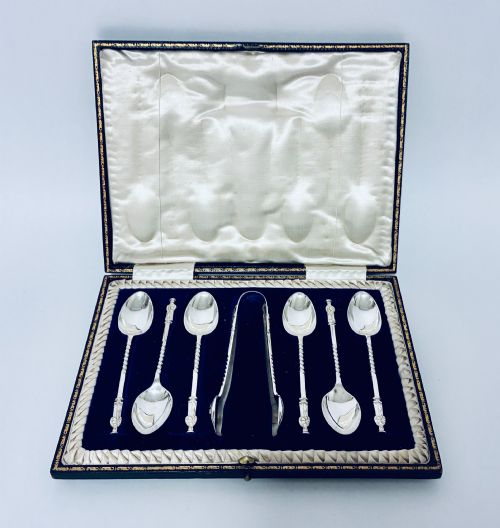
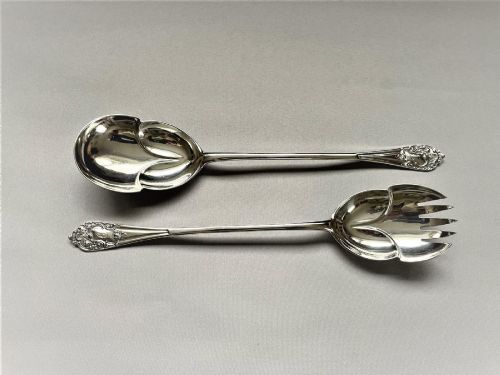
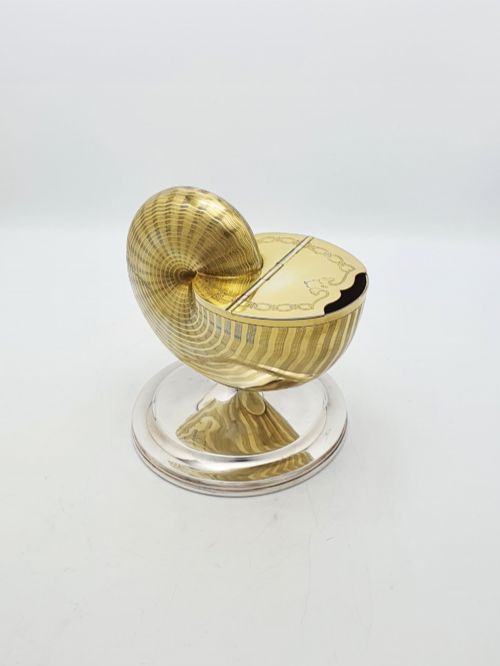
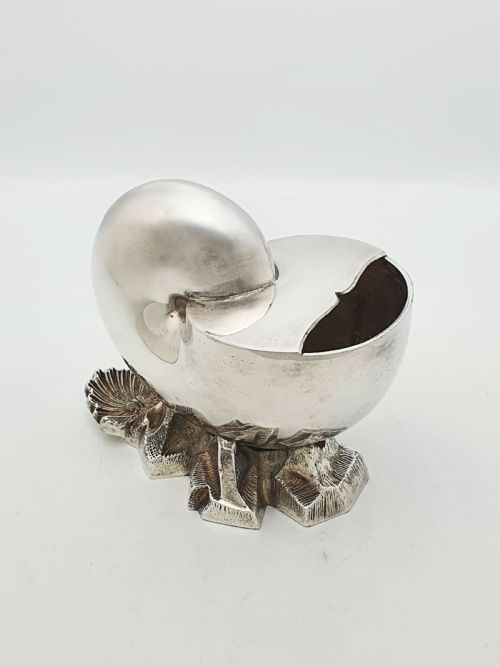
Silver plated spoons encompass a broad array of functional and decorative tableware, ranging from everyday flatware sets to specialised serving pieces. When exploring silver plated spoons, buyers encounter everything from simple Edwardian berry spoons to elaborate Victorian novelty warmers shaped like nautilus shells or marine buoys.
The selection frequently includes cased sets intended for specific dining rituals, such as grapefruit consumption, egg cruets, or fruit and nut serving. Period examples bridge the late nineteenth century through the mid-century, reflecting changing dining habits and social customs across Victorian, Edwardian, and Art Deco eras.
Materials and construction methods
Manufacturing methods rely heavily on base metals coated with a layer of silver, often designated as EPNS (Electro Plated Nickel Silver). Many pieces incorporate supplementary materials such as cut glass, cranberry glass, mother-of-pearl handles, and oak frames to create complete tableware sets.
Gilding was frequently applied to the bowl interiors of serving pieces and spoon warmers, creating a two-tone contrast against the silver exterior. Makers employed stamping, casting, and piercing techniques to produce decorative motifs spanning floral patterns, animal forms, and architectural shell shapes.
Nineteenth-century diners required specialised silver spoons shaped like squirrels, shovels, and shoes to properly serve their jam.
Assessing quality and craftsmanship
Quality in these items is determined by the crispness of the chased or stamped ornamentation and the integrity of the underlying metal plating. Superior examples retain their original gilding and show minimal wear to the silver layer over the base metal.
The sophistication of the design dictates distinction, particularly in novelty forms and complex cruet assemblies where mechanical components or fitted glass inserts remain intact and undamaged.
Christofle·David Andersen·Hukin & Heath·Macabo·Martin Hall·Walker & Hall·Elkington & Co·Thomas Harwood and Co·WMF Germany·Harrods London
The Silver Plated Spoons Glossary
- EPNS
- Electro Plated Nickel Silver. This denotes a base metal alloy of copper, nickel, and zinc coated with a layer of silver through an electrolytic process.
- Spoon warmer
- A specialised table vessel designed to hold hot water and keep serving spoons warm during formal Victorian meals. They appear in inventive forms including marine buoys, shoes, and nautilus shells.
- Cruet set
- A matched assembly of condiment containers, bottles, or egg cups accompanied by dedicated spoons, housed within a frame or stand.
- Gilt
- A thin application of gold wash applied to the interior bowls of spoons or servers to prevent tarnishing from acidic foods like fruit or jam.
- Sifter spoon
- A perforated spoon utilised for dusting sugar over desserts or fruit dishes during nineteenth and early twentieth-century dining.
Silver Plated Spoons: Frequently Asked Questions
How were spoon warmers used?
Spoon warmers were filled with hot water from the sideboard kettle to keep individual serving spoons heated before gravy, soup, or sauces were ladled at the table.
This practice prevented cold metal from chilling rich gravies and meat juices during formal Victorian and Edwardian dinners.
What is an egg cruet?
An egg cruet is a fitted tabletop stand designed to hold boiled eggs alongside matching spoons, salt cellars, and condiment bottles.
These sets were central to breakfast service in middle-class and wealthy homes throughout the Victorian and Edwardian periods.
How do I identify silver plate from sterling?
Silver plate consists of a base metal like nickel silver covered by a thin outer layer of pure silver, whereas sterling contains solid precious metal throughout.
Inspecting hallmarks reveals the distinction, as plated items typically display maker marks indicating electroplating rather than the lion passant used for British sterling.
Can I use antique spoons for daily dining?
Most antique spoons withstand regular use provided they receive gentle hand washing rather than abrasive machine dishwashing.
Careful handling preserves the remaining silver plate and prevents damage to delicate components like mother-of-pearl handles or glass inserts.