






Silver Plated Spirit Stand
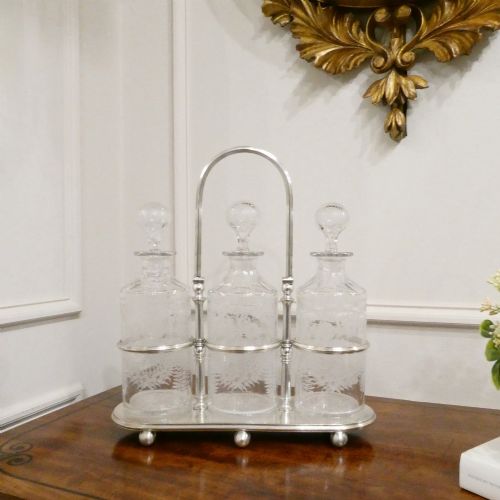
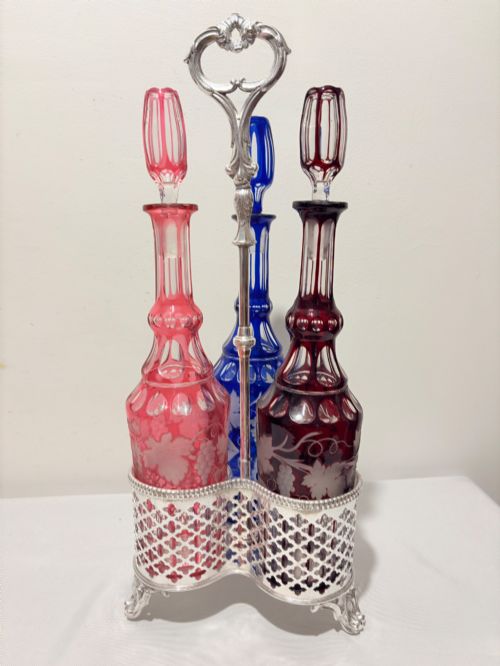
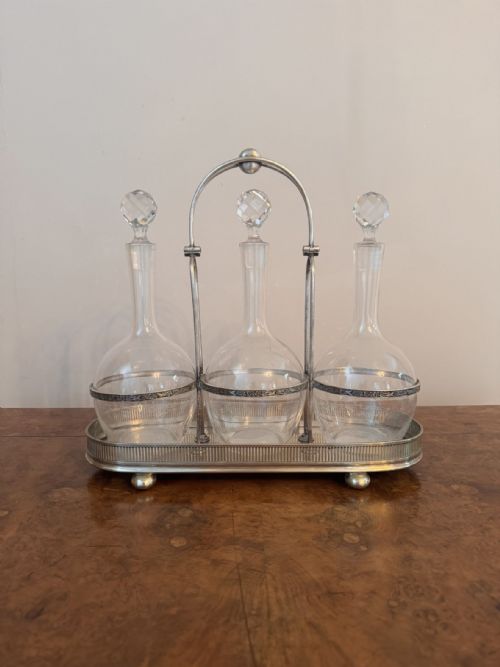
A silver plated spirit stand brings together structured metal framework and cut glass vessels to hold and pour drinks with formal hospitality.
Silver Plated Spirit Stand
A silver plated spirit stand takes the form of tantalus frames, decanter sets, and spirit kettles designed to secure and display drinkware. These items emerge primarily from the Victorian and Edwardian periods, stretching from the eighteen sixties into the nineteen thirties.
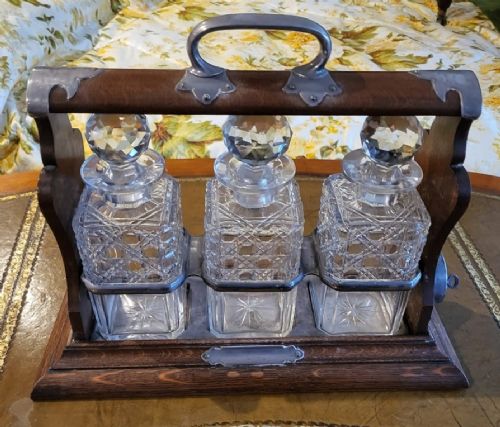
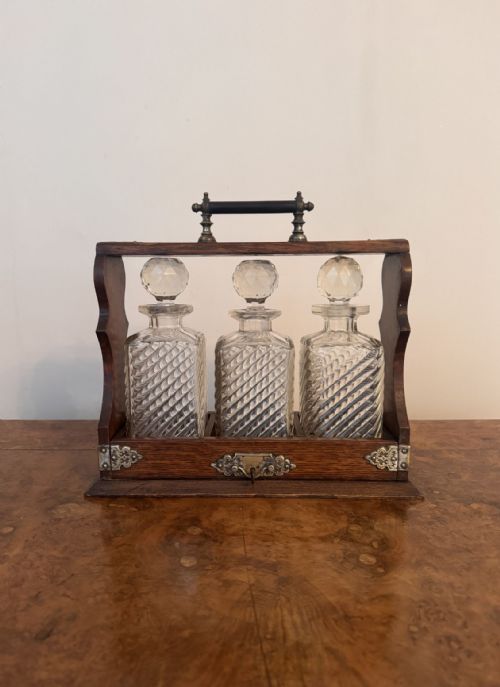
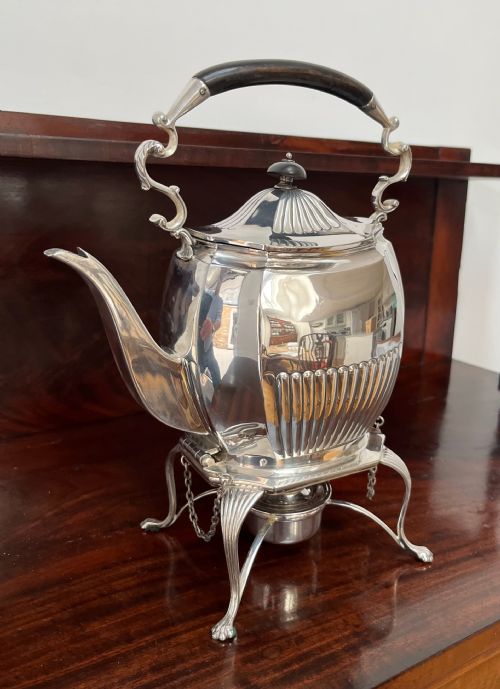
The most frequent form encountered on this page is the three bottle decanter tantalus housed in figured oak or fitted metal stands. Alongside these stand spirit kettles complete with burners and rotating dish rings for table service.
Makers housed bottles securely within lockable frames or ornamental stands to protect contents while presenting them on sideboards and dining tables. The combination of reflective silver plate and heavy glass defines the visual character of the category.
Materials and construction
Metalwork relies upon silver plate, electroplated nickel silver, and Old Sheffield Plate applied over base metals to create reflective surfaces. Oak provides the structural timber for wooden frames, tantalus boxes, and barrel forms.
Vessels utilise cut glass and cut crystal to catch light alongside ebony details on handles and burners. Metal frames incorporate locking mechanisms, hinges, and carrying handles to support heavy decanters.
Silver Plated Spirit Stand Retail Price Guide 2026
Typical asking prices for silver plated spirit stand among the pieces listed under this phrase on Sellingantiques today, from the lower quarter to the upper quarter. They describe what is for sale here now, not the wider market.
Listings span the Victorian and Edwardian eras, utilising silver plate, oak, cut glass, and electroplated nickel silver.
The spectrum of quality
Quality rests upon the weight and density of the silver plating and the clarity of the cut glass bottles fitted inside the frame. Substantial oak framing and complex locking mechanisms distinguish elaborate Victorian and Edwardian examples from simpler utility pieces.
Makers known for high output, such as Elkington or Mappin and Webb, utilised heavier gauge metals and precise joinery that maintain structural integrity across decades of use.
Lee & Wigfull·Elkington·Mappin and Webb·Fenton Brothers·Frederik Ellis Tim & Co·Hukin and Heath·Philip Ashberry·Mappin Brothers
The Silver Plated Spirit Stand Glossary
- Tantalus
- A locking frame that holds decanters securely by their necks so the stoppers cannot be removed until the mechanism is unlocked. The name derives from the mythological figure of Tantalus, keeping the whiskey just out of reach.
- Spirit Kettle
- A metal kettle mounted on a metal stand above a small spirit burner used to heat water at the tea or dining table. These items frequently date from the Edwardian era.
- Electroplated Nickel Silver
- A manufacturing process where a layer of silver is deposited onto a nickel silver base metal via electrolysis. This technique became widespread during the nineteenth century.
- Old Sheffield Plate
- An early method of fusing a thin sheet of silver onto a thicker copper base before rolling them into sheets. This predated modern electroplating.
- Decanter Stand
- An open metal frame or tray designed to hold two or three glass bottles for serving spirits. These frames often include central carrying handles.
Silver Plated Spirit Stand: Frequently Asked Questions
What is a silver plated spirit stand used for?
These stands held decanters of whiskey, gin, or brandy securely on sideboards and dining tables for evening hospitality. The locking frames prevented unauthorized access to the contents while maintaining an orderly display.
Spirit kettles and cruets served parallel functions for hot water and table condiments during formal meals and tea service.
How do I date a silver plated tantalus?
Dating relies upon the combination of wood types, registration marks, and the style of the silver plating. Victorian examples often feature heavy figured oak and ornate cast mounts, while Edwardian pieces lean toward cleaner lines.
Maker marks stamped into the metal framework provide direct attribution to nineteenth and early twentieth century firms.
Are the decanters usually original to the stand?
Many surviving stands retain their original matched cut glass or cut crystal decanters fitted precisely into the frame compartments. Because glass is fragile, some pieces encountered today contain period replacement bottles that fit the original dimensions.
Checking the fit within the wooden or metal dividers helps determine if the bottles belonged to the frame from the beginning.
How do I care for silver plated drink stands?
Maintenance requires gentle cleaning with a soft cloth and specialised silver polish designed for plated items to preserve the metal coating. Avoiding abrasive pads prevents damage to the underlying electroplated surface.
Wooden bases benefit from occasional waxing to maintain the condition of the oak grain.