




Silver Plated Metalware
Silver plated metalware brings centuries of domestic elegance to the table, offering accessible sheen across Georgian candlesticks and Art Deco vessels.
Silver Plated Metalware
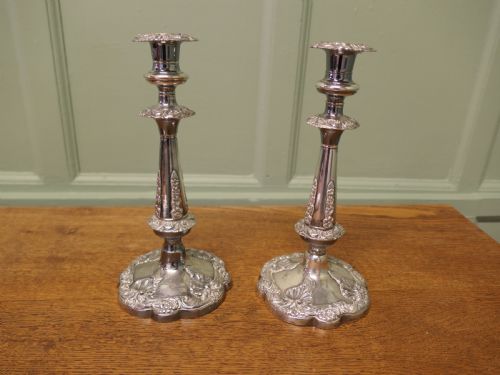
Silver plated metalware encompasses a diverse range of domestic and decorative objects produced across the eighteenth, nineteenth, and early twentieth centuries. When searching for silver plated metalware, buyers encounter items intended for formal dining, illumination, and display, varying from Georgian Old Sheffield plate to French Art Deco serving dishes.
Domestic vessels dominate the category, with numerous examples of chamber sticks, ewers, and cheese dishes designed for functional household use. These items bridge the gap between solid silver luxury and practical base metals, utilising applied plating techniques to achieve decorative prominence.
Materials and manufacturing methods
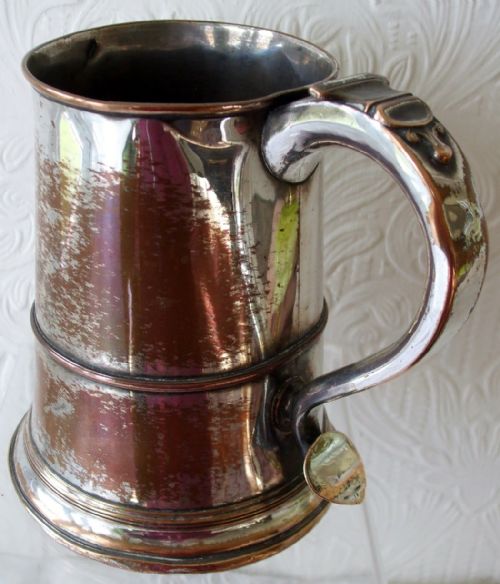
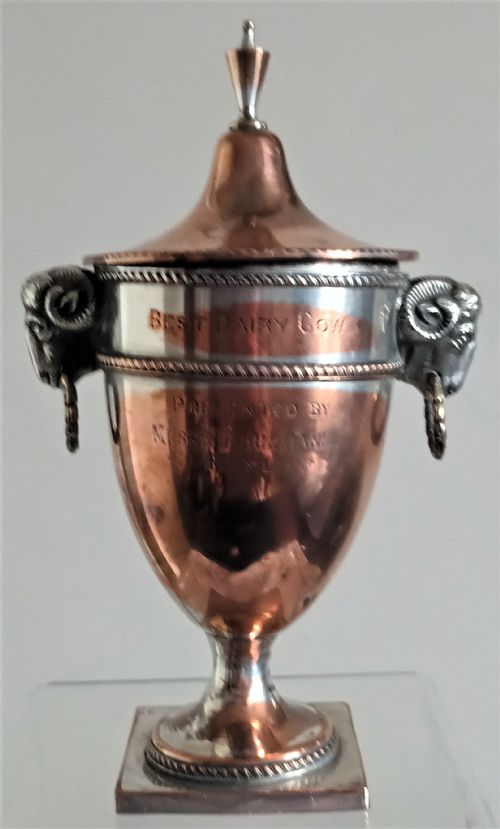
Old Sheffield plate relies on a specialised fusing technique where a thin sheet of silver is thermally bonded to a thicker copper ingot before rolling. This laborious process produced durable sheets that were subsequently worked into candlesticks, mugs, and miniature urns.
Nineteenth-century production saw the adoption of electroplating, a method using electrical currents to deposit a layer of silver evenly across base metals such as copper and brass. This technique allowed makers like Elkington and Henry Bourne to achieve complex reliefs on wine jugs and communion sets without solid silver costs.
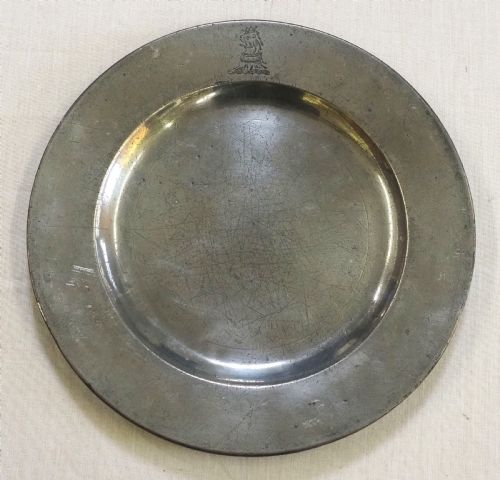
Listings incorporate items spanning the seventeenth to the twentieth centuries, utilising base materials including copper, pewter, brass, and wood alongside silver plate.
Evaluating craftsmanship and survival
Quality in these pieces is dictated by the integrity of the surviving surface and the crispness of the underlying metalwork. Items retaining their original plating without extensive base metal exposure show superior initial manufacture and careful subsequent handling.
Construction methods also distinguish standard production from exceptional work, particularly in the weight of the metal and the precision of applied mounts. Maker attribution, visible through early marks or electrotype signatures, often points to elevated technical execution.
Henry Bourne·James Spackman·Elkington Mason·Thomas Templeman·Maison Christofle·WMF
The Silver Plated Metalware Glossary
- Old Sheffield Plate
- An early composite material made by fusing silver and copper together through heat and pressure. This method predates modern electroplating and leaves a characteristic copper seam visible on raw edges.
- Electrotype
- A replica or object formed by the electrochemical deposition of silver upon a mould. This process allowed Victorian makers to produce highly detailed wine jugs and beakers with sculptural depth.
- Chamber stick
- A low candlestick fitted with a handle and a pan to catch dripping wax, designed for carrying through a house at night. These portable pieces are frequently found in pairs or sets from the Georgian period.
Silver Plated Metalware: Frequently Asked Questions
What is Old Sheffield Plate?
Old Sheffield Plate is an early form of silver plating created by fusing a thin layer of silver to a copper core. The fused metal sheet was then shaped into tableware and candlesticks.
Because the materials were fused rather than electroplated, pieces often show a fine line of copper where the edge is exposed through wear or cutting.
How do I clean silver plated metalware?
Cleaning requires a gentle touch to avoid wearing through the thin silver layer to the base metal beneath. Non-abrasive cloths and mild cleaning agents formulated specifically for silver plate preserve the surface.
Aggressive polishes should be avoided, particularly on antique pieces where original patination and thin plating remain vulnerable.
What is the difference between Old Sheffield plate and electroplate?
Old Sheffield plate involves physically fusing solid silver to copper before hammering or rolling it into shape. It dates mainly to the eighteenth and early nineteenth centuries.
Electroplate, introduced later in the nineteenth century, uses an electrical bath to bond silver particles onto a base metal. This newer method produced even coatings and allowed for intricate stamped designs.
How were chamber sticks used?
Chamber sticks were portable candle holders utilised for lighting hallways and bedchambers in large homes before the advent of electricity. The attached saucer caught melting wax as the candle burned down during transit.
Servants or residents carried them by the side handle, often utilising the fitted nozzle to extinguish the flame safely.