
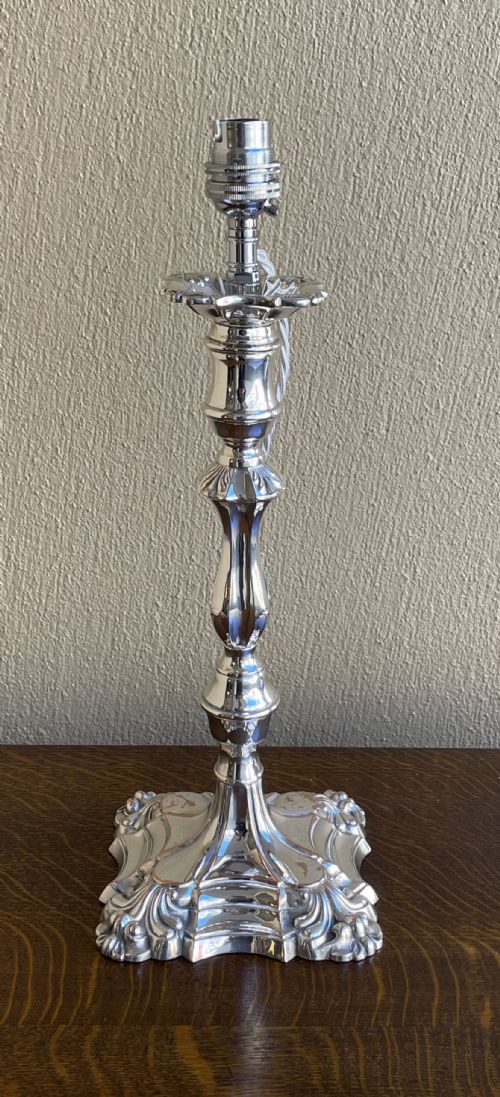
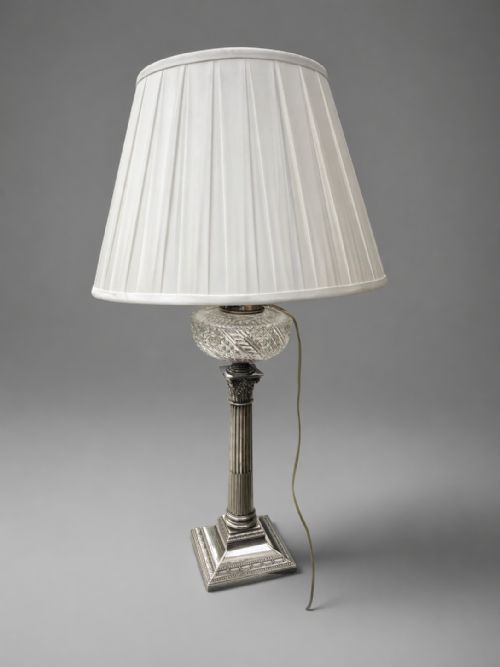


Silver Plated Light Base
These silver plated light base options provide a steady illumination rooted in Victorian, Edwardian, and nineteenth-century design.
Silver Plated Light Base
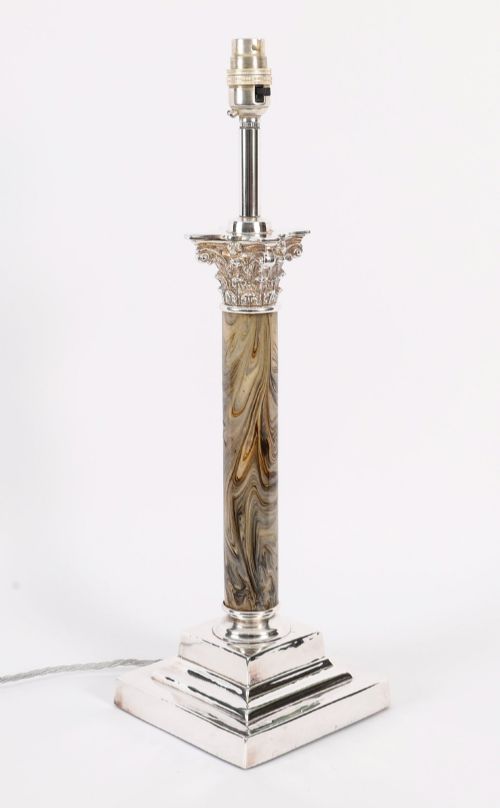
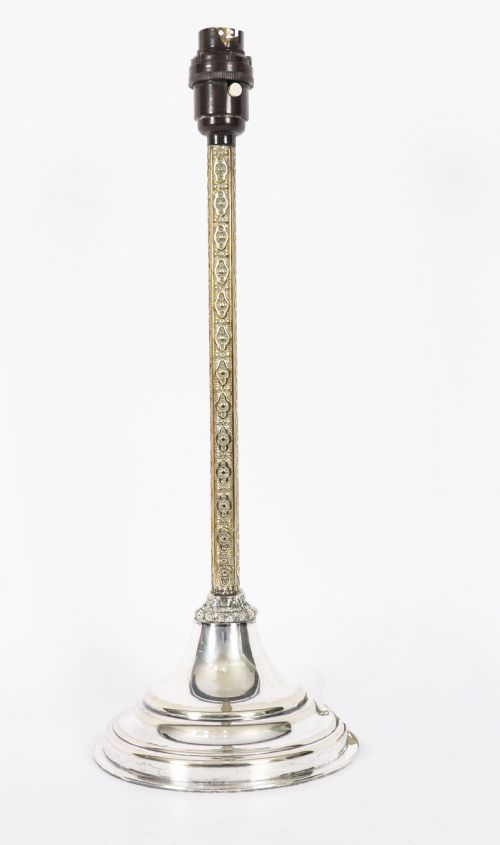
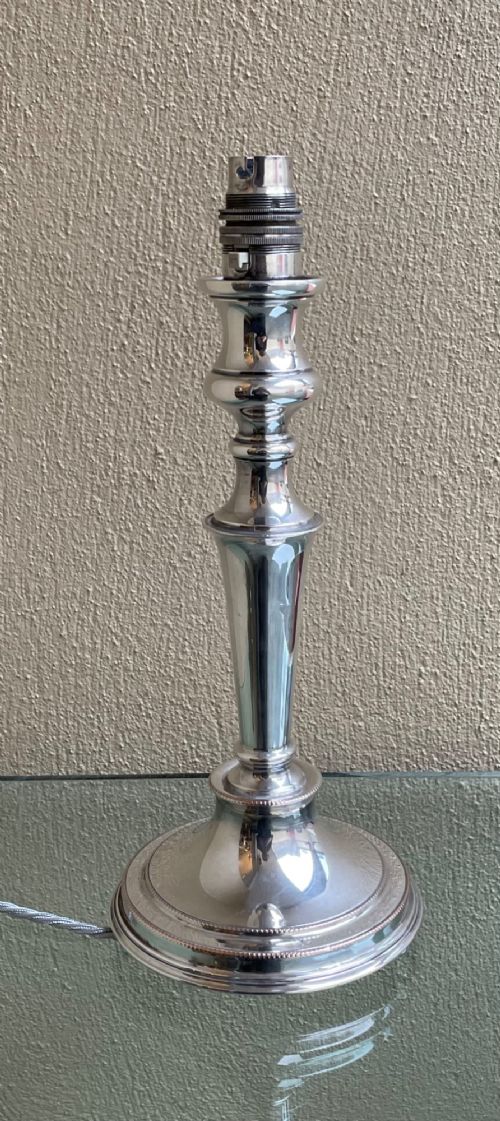
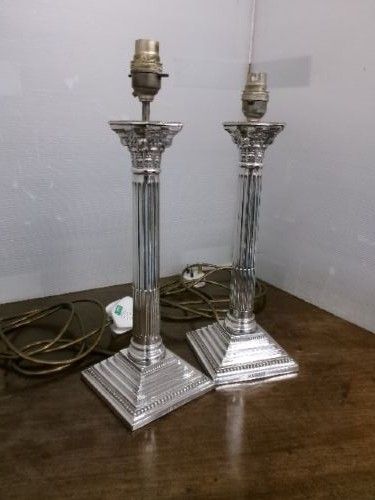
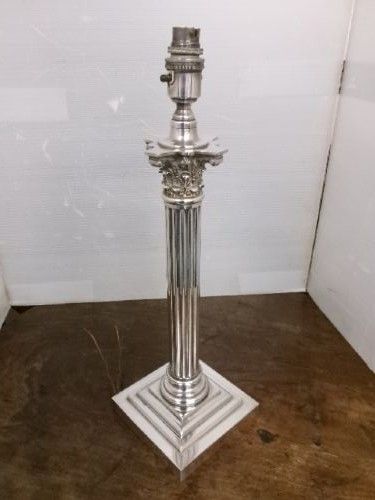
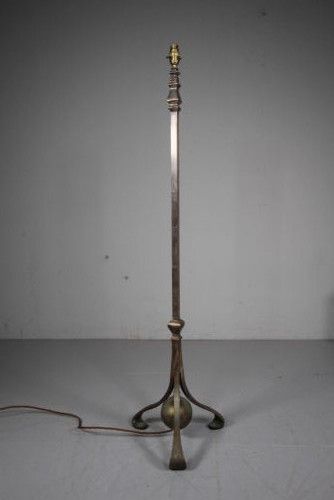
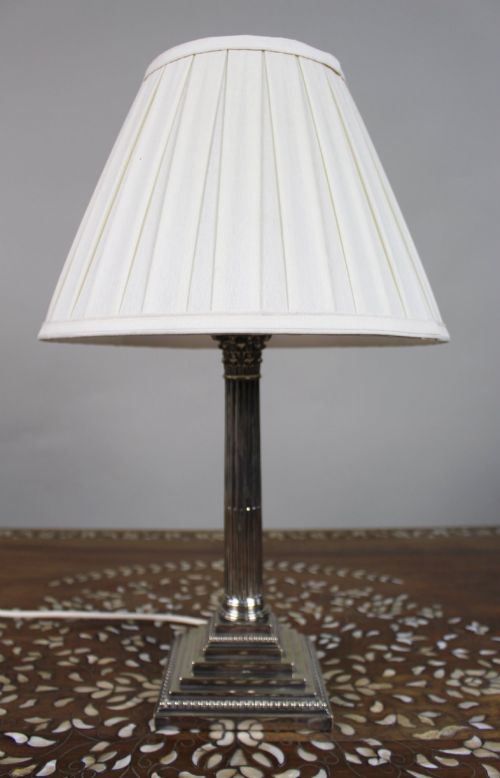
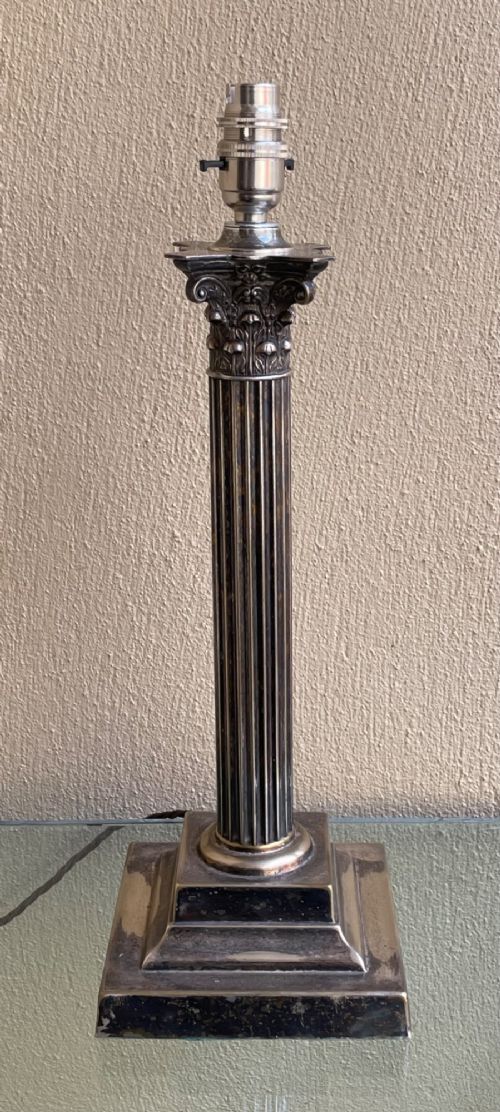
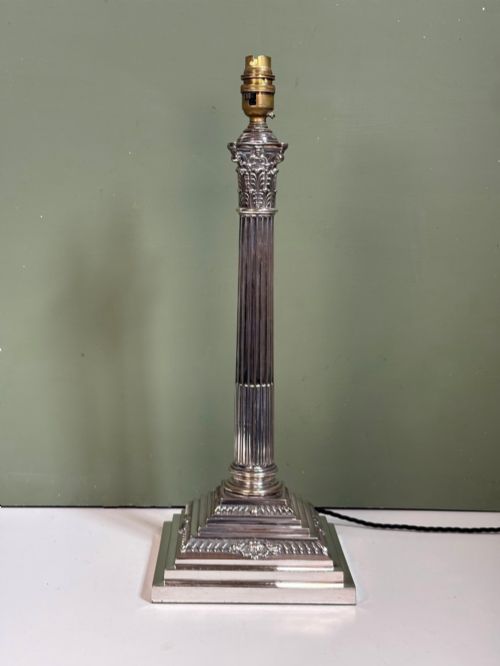
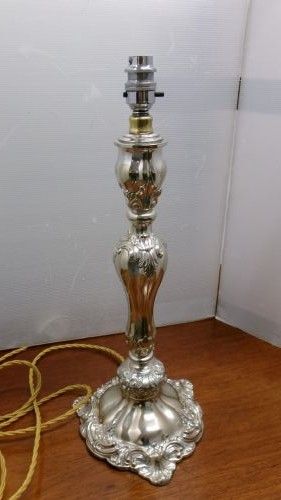
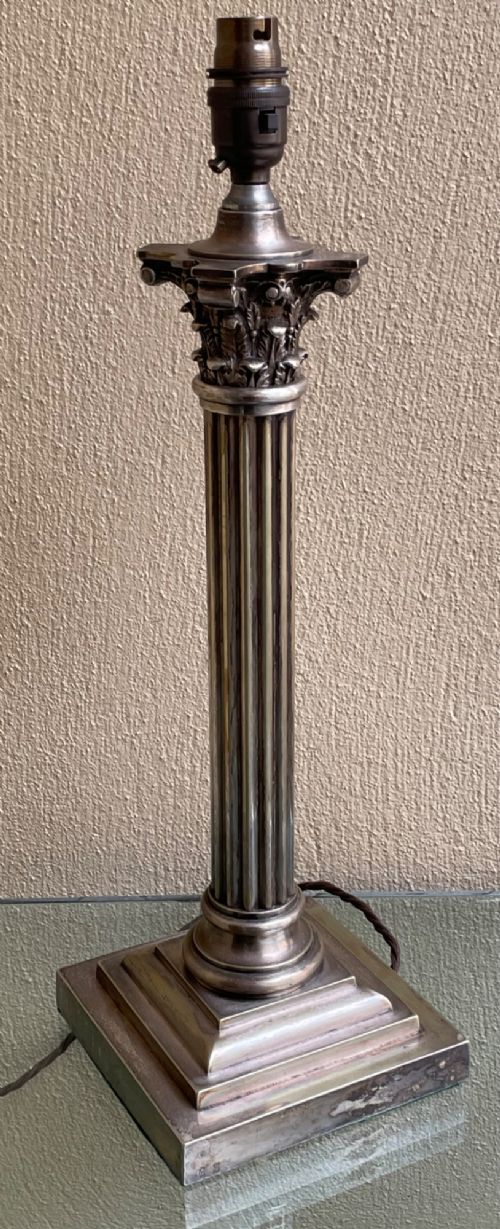
A silver plated light base brings period illumination to a room, drawing on forms produced across the Victorian, Edwardian, and early twentieth-century eras. Table lamps and floor lamps dominate the selection, often taking the shape of classical Corinthian columns or simpler circular and round-based designs.
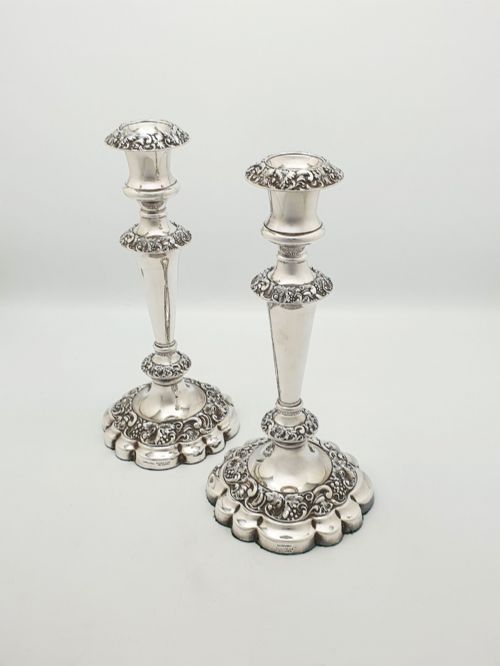
The objects frequently originate as converted oil lamps, candelabras, or dedicated electrical fittings spanning the 1880s to the 1920s. Buyers often encounter pieces incorporating cut glass, satin glass, or ruby glass alongside the metal structure.
Makers and retailers such as Mappin and Webb, the Goldsmiths and Silversmiths Company, and Harrison Brothers and Howson feature among the recorded items. These domestic lighting pieces serve to anchor a room's interior scheme with traditional metalwork.
What varies in quality
The distinction between standard and superior pieces rests on the crispness of the casting, particularly in architectural orders like Corinthian capitals and fluted columns. Heavier gauge metalwork and substantial proportions indicate a more ambitious original commission.
The integration of secondary materials, such as heavy cut glass or fine satin glass reservoirs, elevates the execution of the piece. Maker attribution and stamped marks from established Sheffield and London firms further distinguish the upper tier of surviving examples.
Materials recorded across the inventory include silver plate, EPNS, brass, copper, and various forms of cut, satin, and ruby glass.
Mappin and Webb·Goldsmiths and Silversmiths Company·Harrison Brothers and Howson·Palmer and Co·WMF
The Silver Plated Light Base Glossary
- Silver Plate
- A thin layer of silver bonded to a base metal such as copper or brass. This technique allowed makers to produce domestic items with the appearance of solid silver at a lower cost.
- EPNS
- Electroplated Nickel Silver. A common base metal alloy coated with silver via an electrical process, frequently seen on twentieth-century items.
- Corinthian Column
- An architectural order featuring ornate, acanthus-leaf capitals atop fluted columns. This classical style remains a popular form for lamp bases.
- Old Sheffield Plate
- An early method of fusing a sheet of silver to a copper ingot before rolling them together. This process produced durable wares characteristic of the eighteenth and nineteenth centuries.
- Peg Oil Lamp
- A lamp featuring a small oil container that fits into a separate candlestick or base. Many were subsequently converted to electricity.
Silver Plated Light Base: Frequently Asked Questions
How do I date a silver plated light base?
Dating relies on stylistic clues, manufacturing techniques, and any stamped maker marks or registry numbers found on the metal. Victorian and Edwardian examples often display distinct architectural motifs or specific plating methods typical of those decades.
Examining the construction of the base, wiring apertures, and switch mechanisms also helps establish whether the piece dates from the nineteenth century or the early twentieth century.
Were these always electric lamps?
Many of these pieces began life as oil lamps, candlesticks, or candelabras before undergoing conversion to electricity in later decades. Components like peg oil reservoirs and removable sconces indicate earlier lighting functions.
Conversions were frequently carried out to adapt antique metalwork for modern domestic interiors while retaining the original decorative silhouette.
How do I care for silver plate?
Cleaning requires a soft cloth and a mild, non-abrasive silver cleaner formulated to protect thin metal platings. Aggressive scrubbing can wear through the silver layer to reveal the underlying brass or copper base metal.
Regular, gentle dusting preserves the finish and prevents tarnish from accumulating in the recessed flutes and decorative cast details of the column.
What is Old Sheffield plate?
Old Sheffield plate is an early composite material created by fusing a sheet of silver to a copper core through heat and pressure. This technique predates modern electroplating and produces a rich, deep lustre.
Items constructed this way often exhibit subtle traces of copper showing through at points of high wear over long periods of use.