


Silver Reading Table Lamp
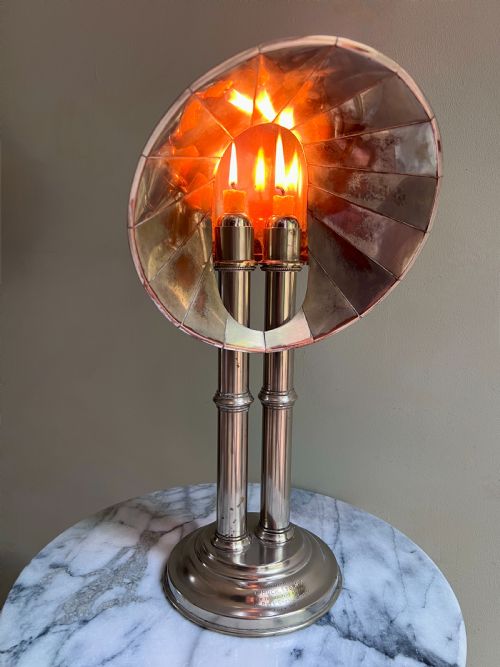
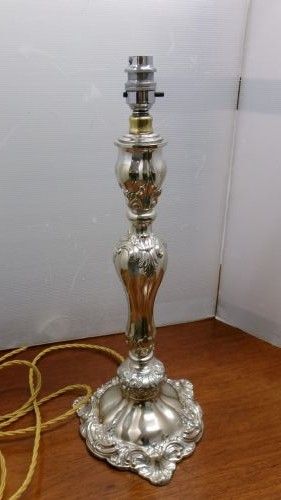
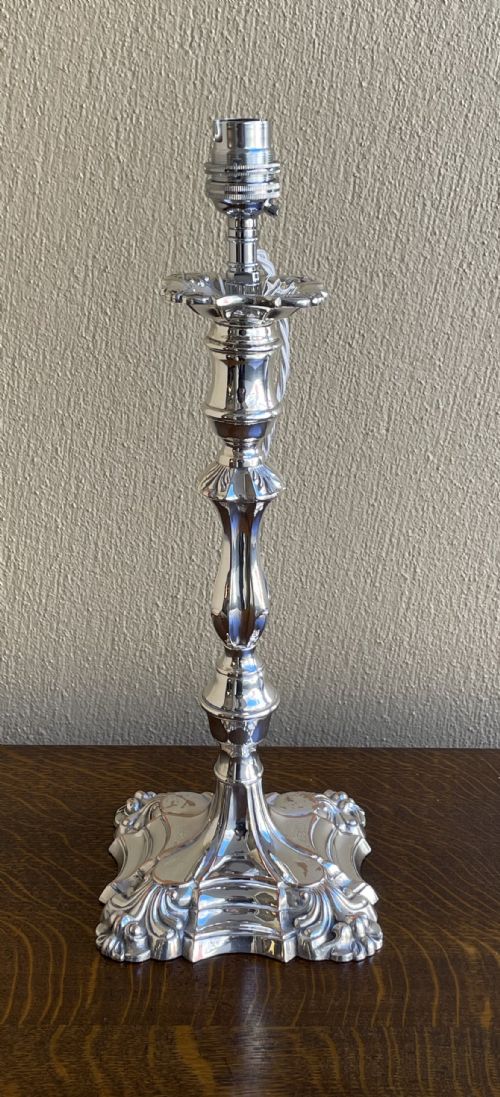
A silver reading table lamp brings focused illumination and period character to a desk or side table.
Silver Reading Table Lamp
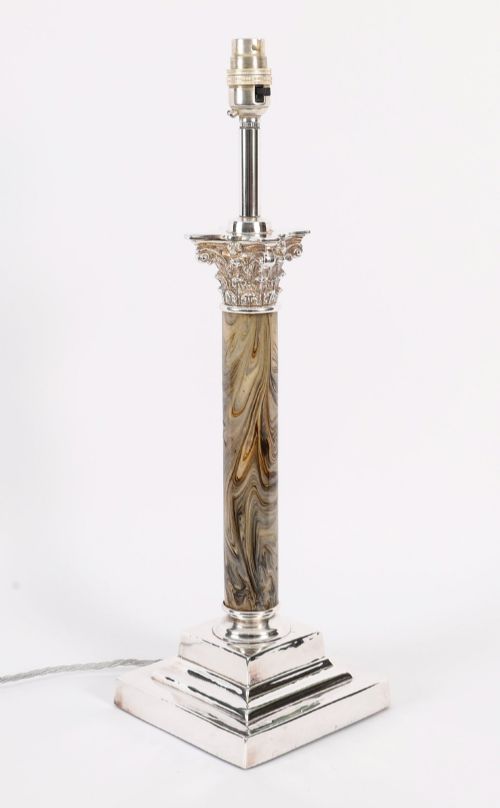
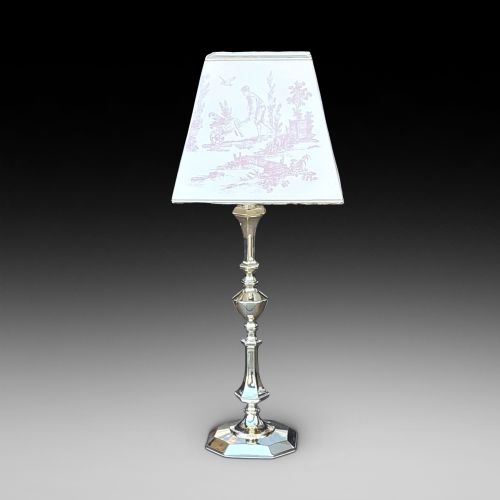
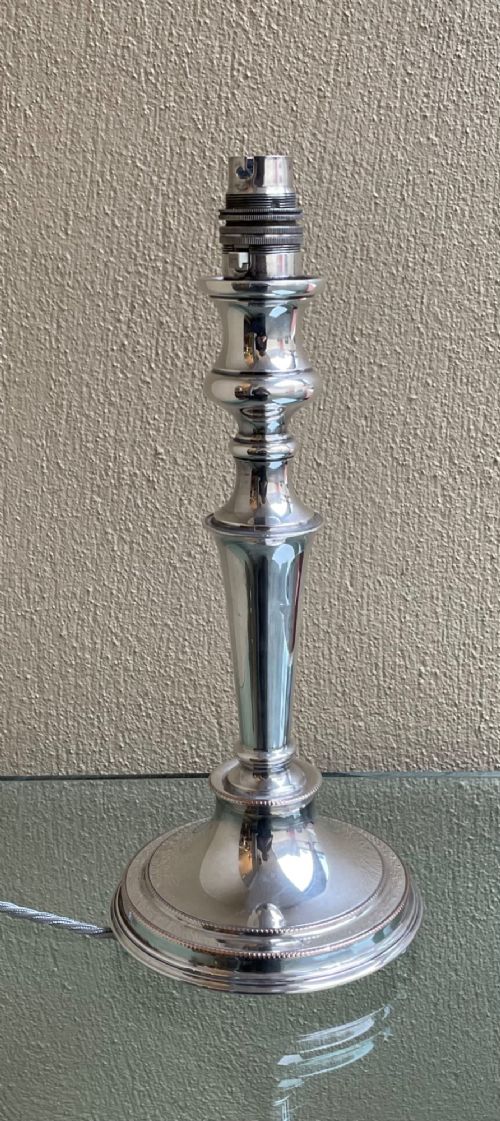
A silver reading table lamp provides targeted lighting for tasks, combining utilitarian function with decorative metalwork across several decades. The selections on this page span the Victorian era, the Edwardian period, and the 1920s and 1930s.
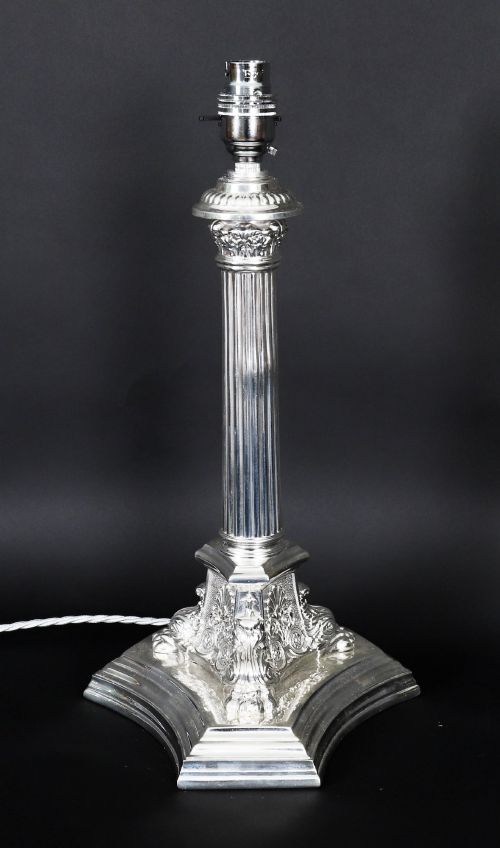
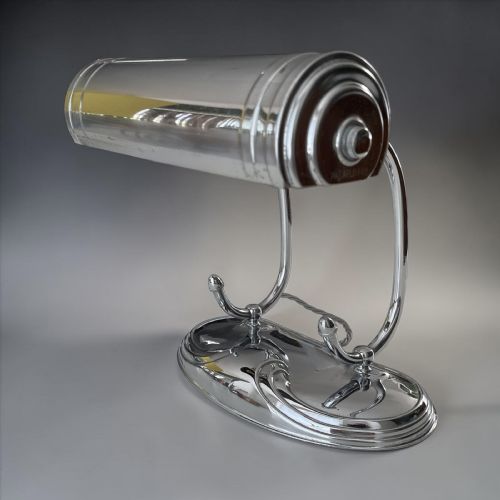
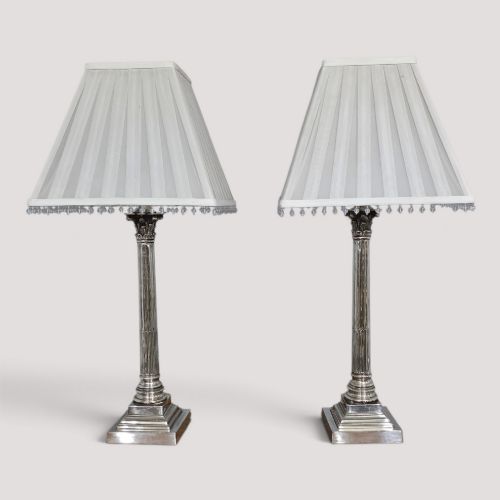
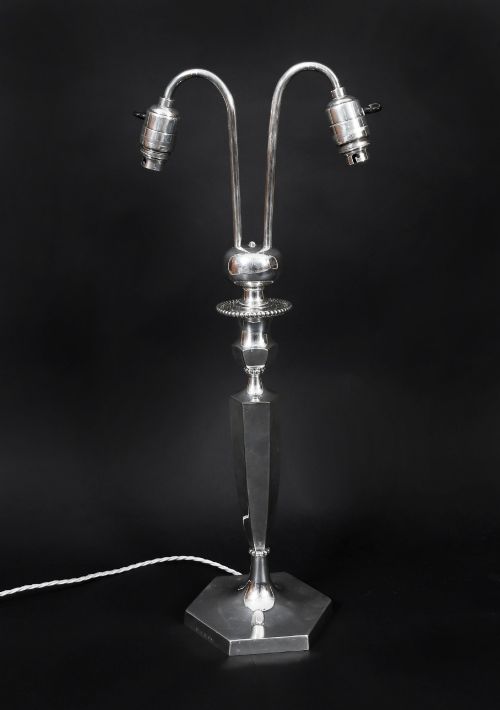
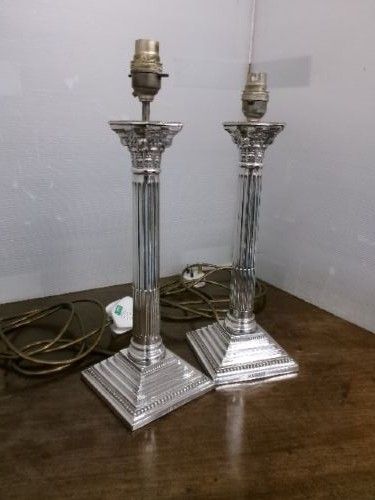
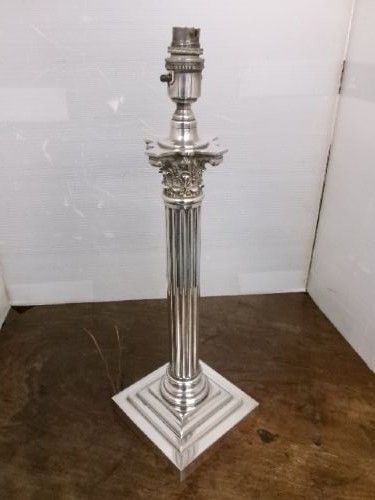
Buyers will encounter traditional Corinthian column designs alongside functional desk lights and adjustable models. These pieces utilise silver plate, EPNS, sterling silver, chrome, and brass.
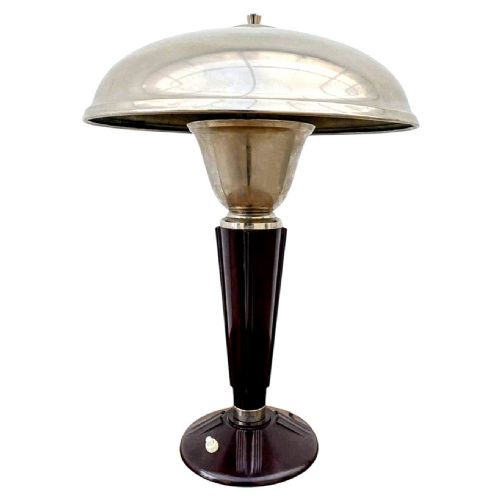
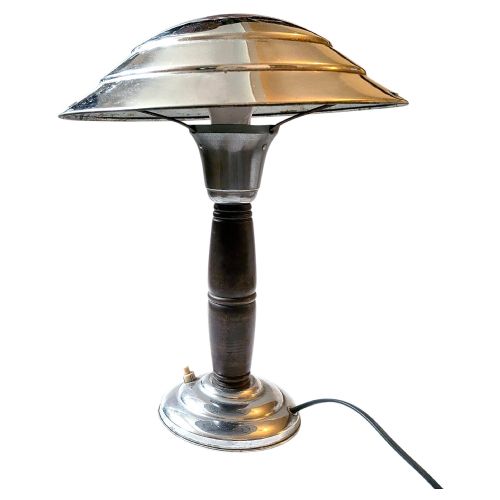
Origins include English workshops bearing city marks like Sheffield alongside continental pieces from France. Styles range from classical revivals to Art Deco and Machine Age designs.
How they were made
Makers constructed these lamps using metals such as brass, white metal, and steel as bases before applying silver plating, nickel plating, or chrome finishes. Components were cast, turned, or stamped to create columns, bases, and adjustable joints.
Shades and wiring incorporated secondary materials including glass, fabric, silk, parchment leather, and early plastics like Bakelite. Inscribed dates, maker stamps, and patent mechanisms indicate precise period manufacturing techniques.
Silver Reading Table Lamp Retail Price Guide 2026
Typical asking prices for silver reading table lamp among the pieces listed under this phrase on Sellingantiques today, from the lower quarter to the upper quarter. They describe what is for sale here now, not the wider market.
Athletes and ships share the catalogue with stately columns with an Art Deco figure holding a ball and gimbal lights made for the sea.
What varies in quality
The standard of a silver reading table lamp rests on the weight of the metal, the crispness of cast details such as column fluting, and the durability of the plating over the base metal. Substantial construction and clear hallmarks or maker stamps distinguish finer examples.
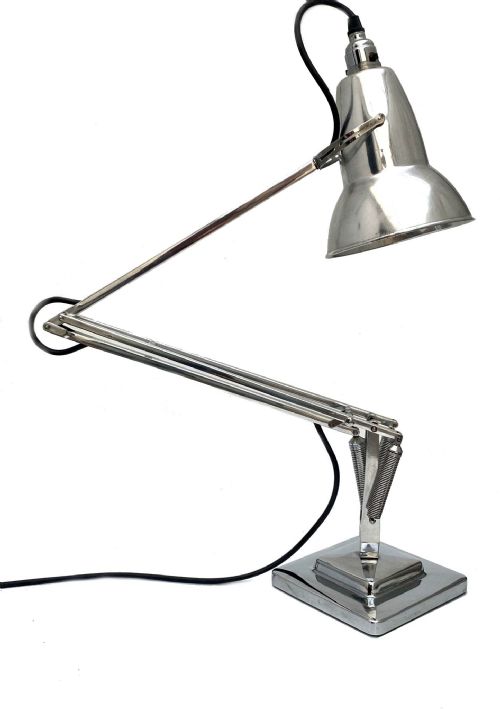
The integration of functional elements, from adjustable articulated arms to weighted round bases and gimbal mounts, affects the utility of the piece. Preservation of original surfaces, shades, and switches also influences the overall integrity.
Eileen Grey·Herbert Terry·Pirouette
The Silver Reading Table Lamp Glossary
- EPNS
- Electroplated Nickel Silver, a common base material for metal table lamps where a thin layer of silver coats a durable nickel alloy. This process allowed manufacturers to produce lustrous domestic lighting at a lower cost than solid silver.
- Corinthian Column
- A classical architectural order featuring ornate capitals decorated with acanthus leaves, frequently adopted for Victorian and Edwardian table lamp shafts. These columns translate monumental stone architecture into domestic brass and silver plate.
- Bakelite
- An early form of synthetic phenol formaldehyde resin used for switches, bases, and decorative elements on 1930s desk lamps. Its heat-resistant and insulating properties made it suitable for electrical components.
- Gimbal
- A pivoted support ring that allows a lamp or ship light to stay level regardless of the motion of a surface. These brass and nickel-plated mechanisms originated in maritime use.
- Machine Age
- A design aesthetic from the 1920s and 1930s celebrating industrial efficiency, clean lines, and modern materials like chrome and polished steel. Lamps from this movement prioritise function and geometric form over historical ornament.
Silver Reading Table Lamp: Frequently Asked Questions
What is a silver reading table lamp?
A silver reading table lamp is a domestic lighting fixture designed to direct light downward onto a desk, table, or book. These pieces combine metal bases with electrical fittings or candleholders.
They appear in styles ranging from classical Corinthian columns to functional Art Deco desk lights.
How do I date a silver lamp?
Dating relies on stylistic clues, manufacturing materials, and any stamped marks or inscriptions found on the metal. Edwardian and Victorian examples often feature classical revival motifs, while 1930s pieces favour chrome and Machine Age lines.
Maker stamps and patent dates provide further chronological markers.
Are these lamps safe for daily use?
Many antique and vintage lamps arrive with older wiring or have been rewired to modern standards. Buyers should inspect the electrical components before regular use.
Original metalwork and switches remain intact, but internal cords often require updating for safety.
Where were these lamps manufactured?
The pieces originate primarily from British workshops, with Sheffield being a notable centre for silver plating. French manufacturers also produced distinct adjustable desk lights during the early twentieth century.
Local metalworking traditions influenced the choice of brass, copper, and silver plate.