
Silver Plated Cooler
When choosing a silver plated cooler, you secure a practical vessel designed to chill wine and champagne with enduring elegance.
Silver Plated Cooler
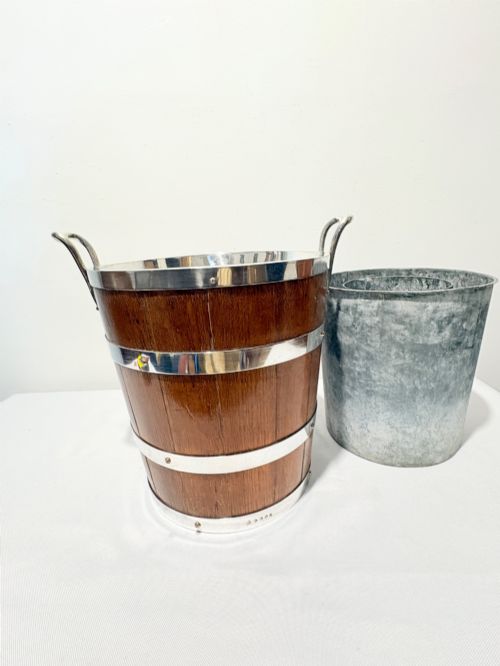
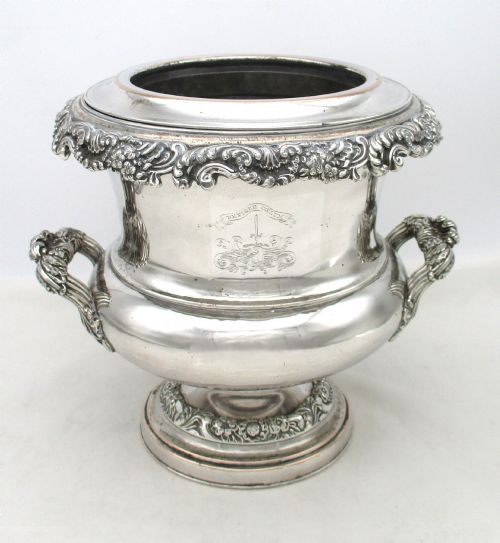
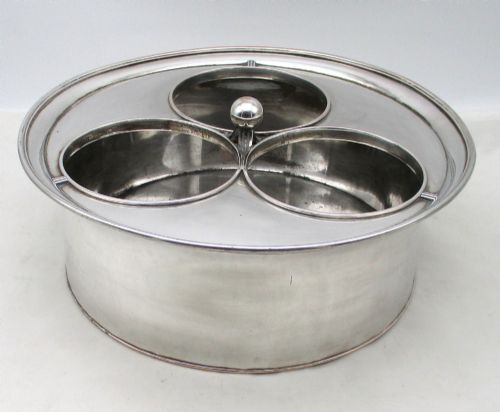
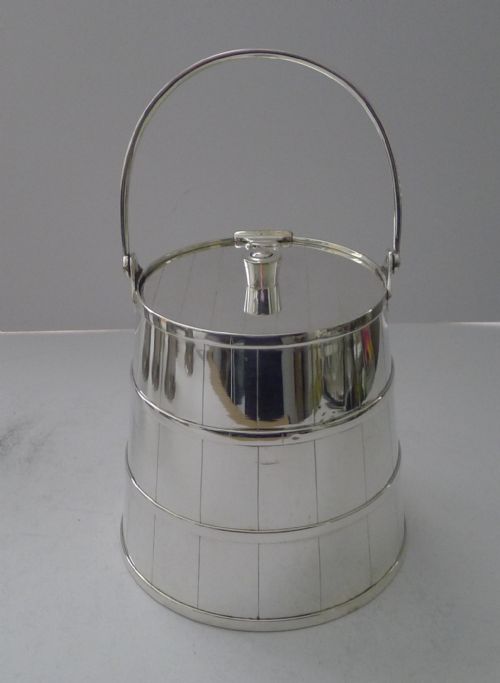
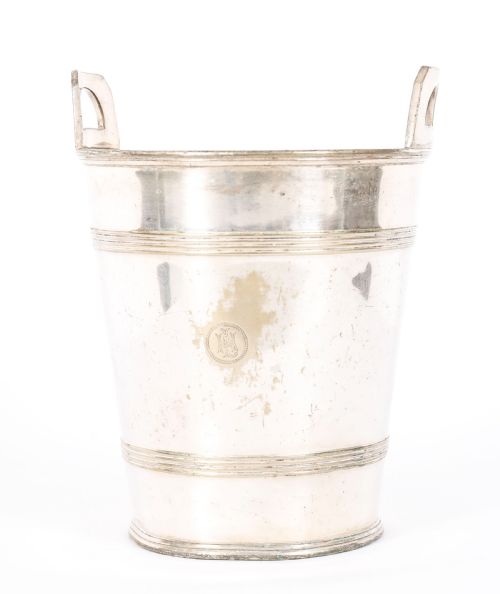
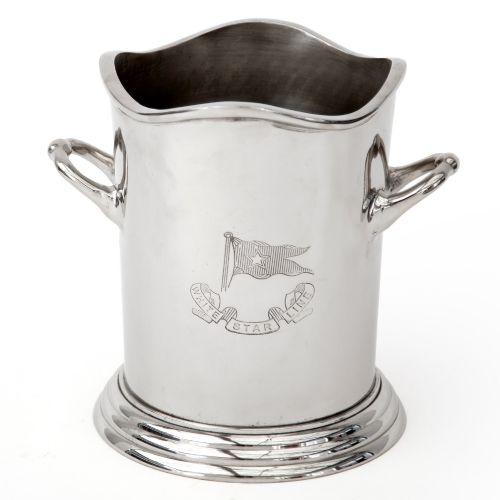
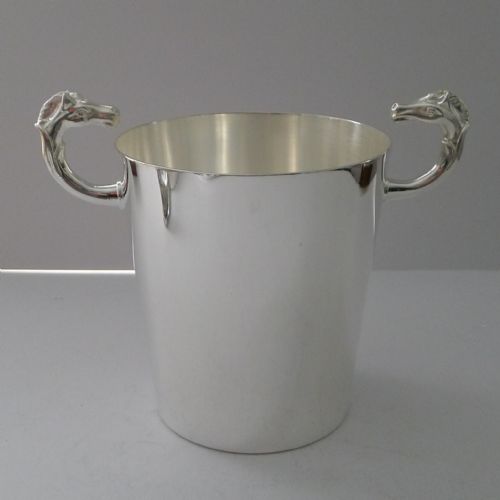
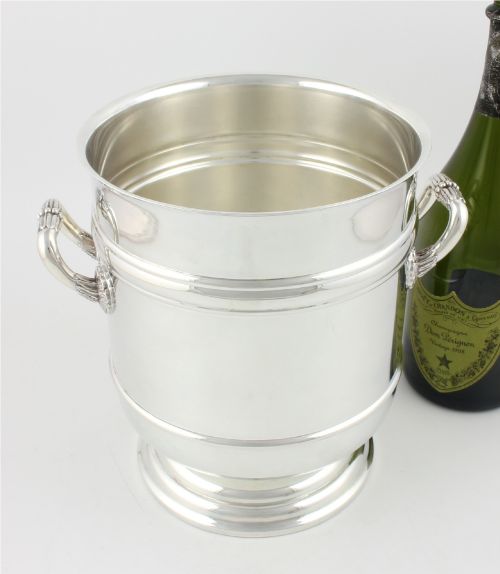
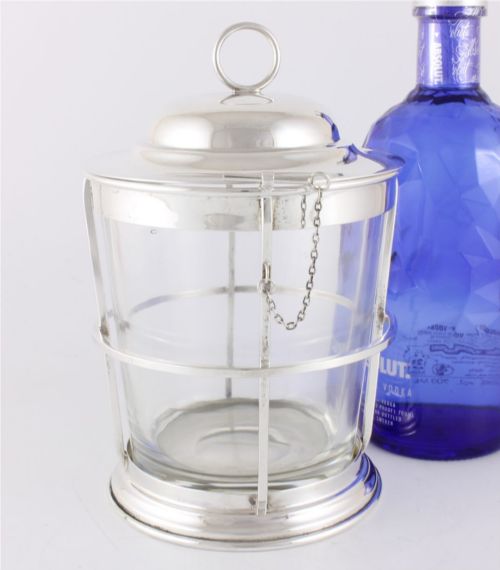
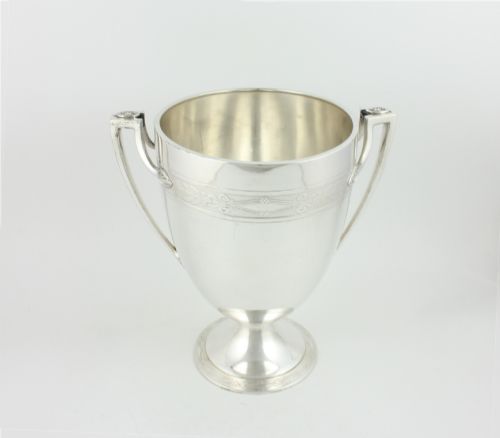
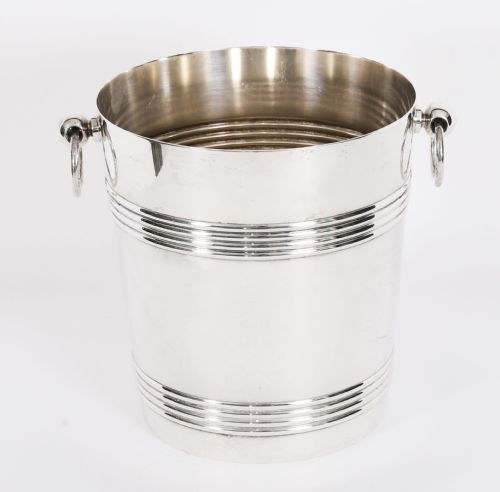
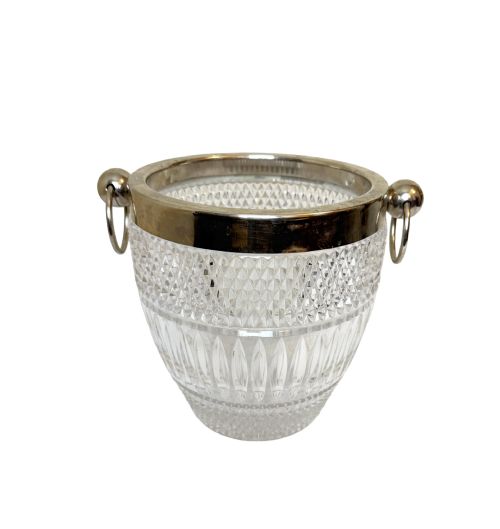
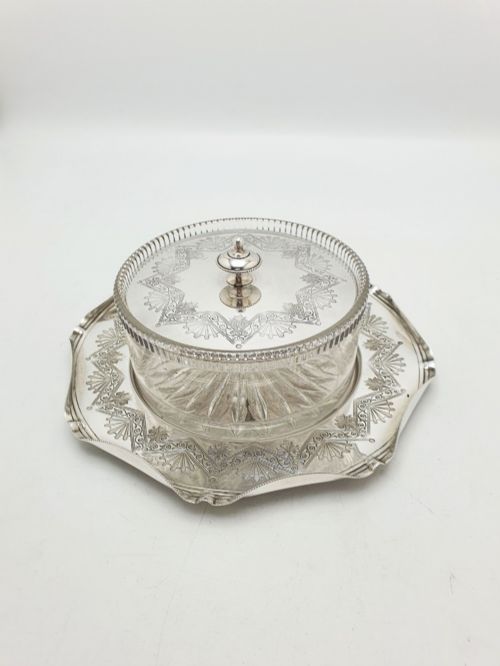
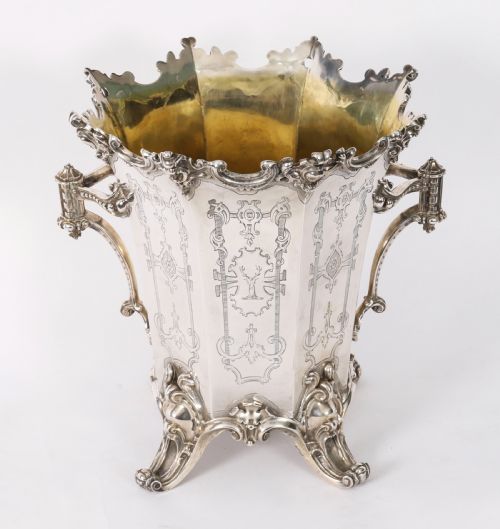
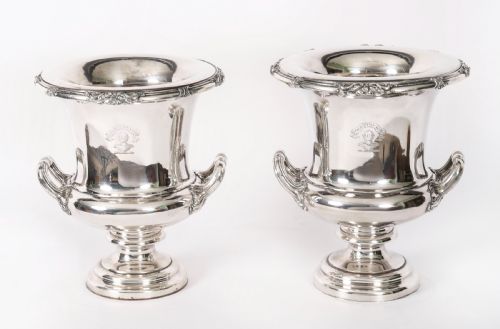
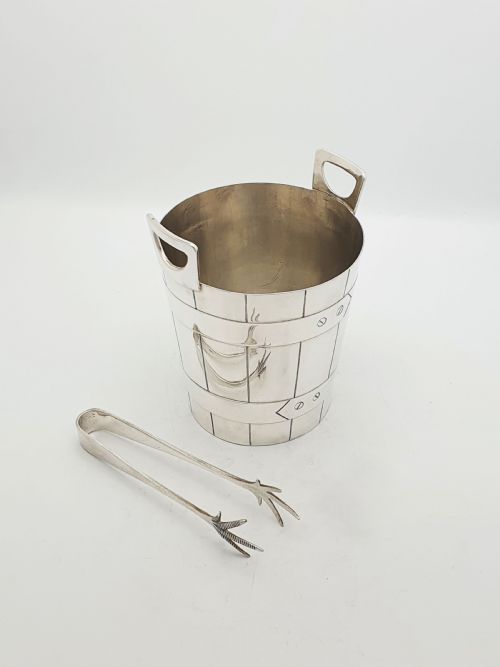
A silver plated cooler serves to chill wine and champagne, appearing on this page in forms ranging from simple buckets to heavy pedestal urns and multi-bottle holders. Buyers seek these pieces for dining tables and home bars, drawn to their combination of functional depth and reflective metal surfaces.
The selections span distinct historical periods, featuring Georgian and Victorian craftsmanship alongside Edwardian, Art Deco, and Mid-Century Modern designs. Pieces take the shape of standard champagne buckets, novelty barrels, punch bowls, and floor-standing champagne coolers.
Origins include English workshops, French silversmiths, and German manufacturers, offering a diverse array of decorative motifs like coats of arms, crests, and botanical tendrils.
Materials and Construction Techniques
Makers built these vessels using a base of copper, heavy metal, or silver-on-copper, applying silver plate or utilising Old Sheffield Plate techniques where a sheet of silver was fused to a copper base. Cut glass and crystal liners frequently accompanied the metal bodies to hold ice or liquid securely.
Silversmiths employed casting, hammering, and assembly methods to create substantial walls, insulated interiors, and applied decorative elements such as handles, feet, and crests.
Materials documented across the inventory include Old Sheffield Plate, cut glass, copper, and standard silver plate.
Distinctions in Quality and Execution
The standard of a silver plated cooler rests upon the weight of the metal, the crispness of the chased or cast ornament, and the integrity of the underlying base metal. Heavier gauge metal and thick plating reflect superior workshop standards and ensure greater durability over centuries of use.
Attribution to documented makers and silversmiths elevates a piece, as does the presence of fine hand-engraved coats of arms, crests, or specialised interior liners.
Hutton Sheffield·Christofle·Elkington Mason And Co·WMF·Mappin And Webb·Barker Ellis·Ercuis·Puiforcat·Benjamin Smith II·Barker Brothers
The Silver Plated Cooler Glossary
- Old Sheffield Plate
- An early method of fusing a thin sheet of sterling silver to a thicker copper ingot before rolling them into sheets. This technique often reveals hints of copper showing through along high wear points.
- Campagna
- A classical vase shape with a rounded body flaring outward to a wide rim, frequently seen on nineteenth-century wine coolers. The silhouette echoes ancient bronze vessels excavated in Italy.
- Silver Plate
- A manufacturing process where a thin layer of silver is bonded to a base metal such as copper or nickel brass. It offers the visual appeal of solid silver at a different scale of production.
- Cache-pot
- A decorative container originally intended to hold a flowerpot, occasionally adapted or utilised as a table ice bucket. These vessels bring ornamental utility to dining settings.
- Pontil mark
- A scar left on the base of hand-blown cut glass liners where the pontil rod was detached during manufacture. It serves as an indicator of traditional glassblowing methods.
Silver Plated Cooler: Frequently Asked Questions
How do I clean my silver plated cooler?
Wash the vessel gently using warm water and mild liquid soap, then dry thoroughly with a soft cloth to protect the reflective surface. Avoid abrasive cleaners or harsh scrubbing pads that can wear away the thin silver layer over time.
For tarnished areas, apply a specialised silver polish formulated for plated items, rubbing in straight lines rather than circles. Rinse and buff carefully to restore the original shine without damaging any applied crests or engraved details.
Can these coolers hold ice directly?
Many models feature removable glass liners or thick metal walls specifically designed to contain ice cubes alongside wine and champagne bottles. Solid metal and Old Sheffield Plate versions handle ice safely during normal entertaining use.
Prolonged contact with melting ice and stagnant water can accelerate tarnish or stress older soldered joints. Empty and dry the interior promptly after each gathering to maintain the condition of the metal.
What is the difference between Old Sheffield Plate and later silver plate?
Old Sheffield Plate involves physically fusing solid silver to a copper core through heat and pressure before shaping the metal. This older technique often reveals a faint warm glow of copper along exposed rims and high points.
Later nineteenth and twentieth-century silver plate utilises electroplating, where an electrical current bonds a microscopic layer of silver onto a base metal substrate. Electroplated pieces generally present a more uniform silver appearance without copper bleed-through.
How can I date a silver plated cooler?
Examine the overall style, decorative motifs, and any maker stamps or registry marks stamped into the base of the metal. Art Deco pieces display geometric lines typical of the 1920s and 1930s, while Victorian examples often feature ornate floral revival styling.
Manufacturer marks can be cross-referenced against historical silversmith directories to narrow down the decade of production. Construction methods, such as fused copper seams versus modern electroplate, also provide clues to the age of the piece.