


Silver Plated Condiment Stand
A silver plated condiment stand brings functional elegance to a dining table, offering a coordinated way to serve multiple seasonings with period charm.
Silver Plated Condiment Stand
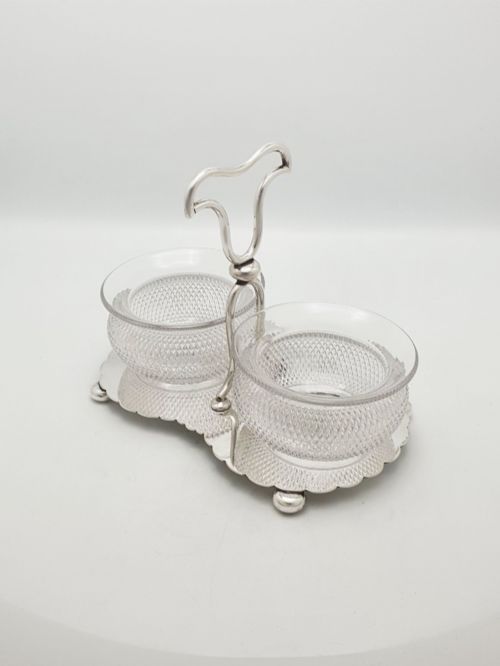
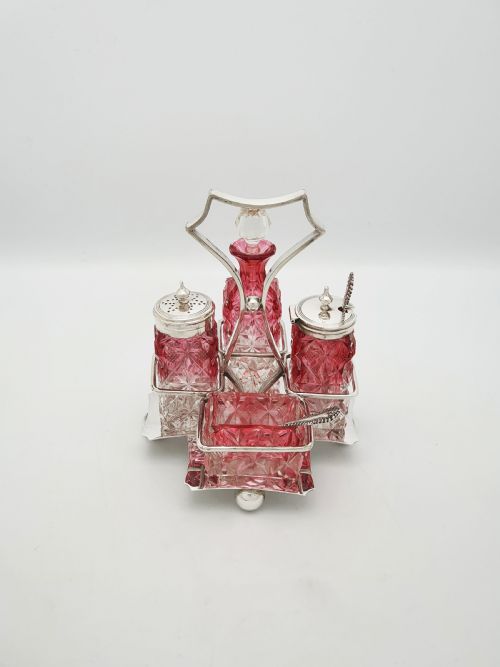
A silver plated condiment stand serves as a tabletop frame for holding seasoning bottles, sauce holders, and preserve jars. These items appear across various periods, with Edwardian and Victorian examples forming the bulk of what is available.
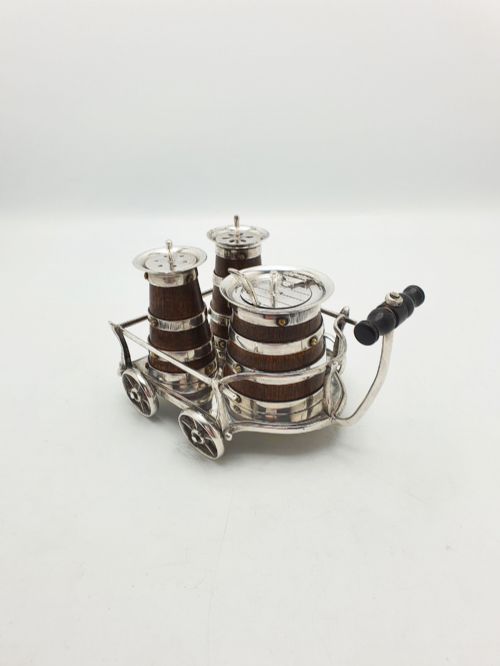
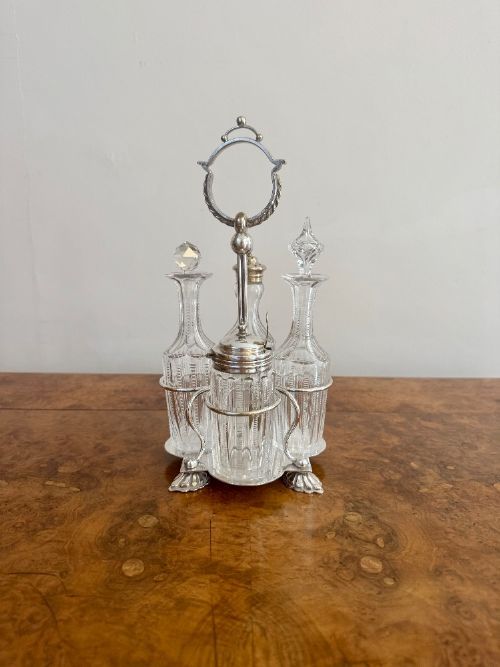
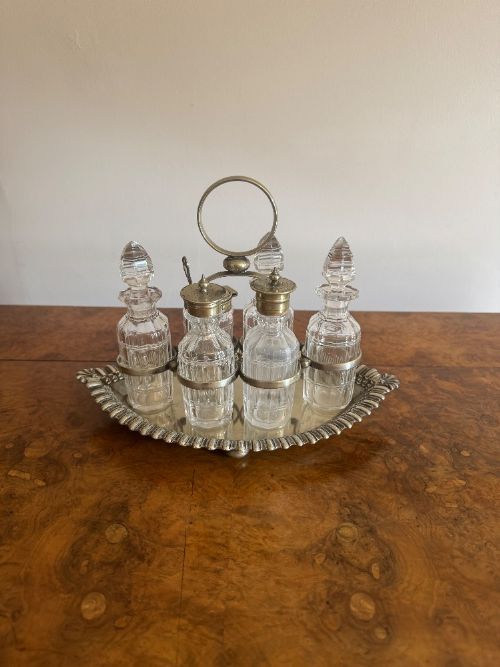
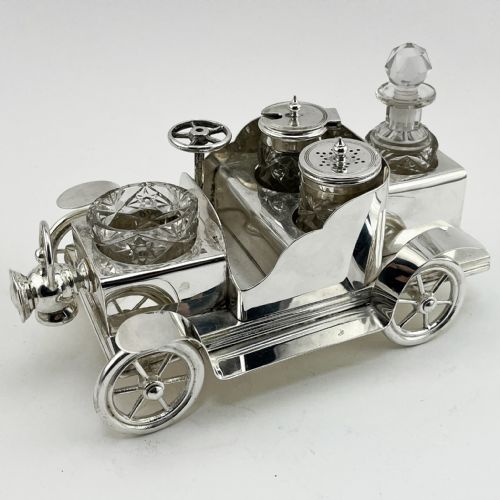
The objects take several distinct forms, including multi-bottle cruet sets, bachelor sets, and novelty designs shaped like cars or farmyard scenes. Cut glass inserts and silver plated wirework frameworks define much of the selection.
How they were made
Makers utilised cast and soldered silver plate mounts, incorporating intricate wirework and handles for portability. Oak and walnut chassis provided sturdy wooden bases for heavy multi-bottle arrangements.
Silver Plated Condiment Stand Retail Price Guide 2026
Typical asking prices for silver plated condiment stand among the pieces listed under this phrase on Sellingantiques today, from the lower quarter to the upper quarter. They describe what is for sale here now, not the wider market.
Materials paired with silver plate include cut glass, cranberry glass, oak, walnut, and gilt accents.
What varies in quality
Quality rests in the heaviness of the silver plate, the clarity and weight of the cut glass bottles, and the intricacy of the frame's design. Finer examples retain intact original glassware and crisp casting details on handles and mounts.
Novelty pieces and larger multi-bottle sets with coordinated cut glass demonstrate superior craftsmanship compared to simpler utilitarian stands.
Mappin Brothers·Walker And Hall·Mappin And Webb·Wade Wingfield Wilkins
The Silver Plated Condiment Stand Glossary
- Cruet set
- A fitted stand holding multiple bottles or containers for condiments such as oil, vinegar, salt, and pepper. These sets often sit on central carrying rings.
- Silver plate
- A thin layer of silver fused to a base metal such as copper or Britannia metal. This technique allowed makers to produce decorative tableware at a lower cost than solid silver.
- Cranberry glass
- A rich red transparent glass coloured with gold chloride, popular during the Victorian and Edwardian periods for decorative bowls and condiment liners.
- Bachelor cruet
- A smaller scaled condiment stand designed for single diners or small households, typically holding fewer bottles than standard dining table sets.
Silver Plated Condiment Stand: Frequently Asked Questions
What is a silver plated condiment stand used for?
These stands hold bottles of vinegar, oil, mustard, and other sauces during meals. They keep condiments organised and portable for serving at the dining table.
Many examples include fitted glass jars for preserves or honey alongside traditional cruet bottles.
How do I date an antique condiment stand?
Dating relies on stylistic clues, mounting techniques, and the cut of the associated glass inserts. Victorian pieces often display heavier ornate casting, while Edwardian designs favour lighter wirework frames.
Maker marks stamped onto the silver plate bases also provide reliable production eras.
Are replacement glass bottles common?
Many surviving stands have replacement glass inserts due to the fragile nature of Victorian and Edwardian glassware. Matching the exact cut and size of original bottles requires careful attention to the frame's openings.
Sets featuring matching original cranberry or cut glass remain particularly sought after.
How should I clean silver plated stands?
Silver plate requires gentle cleaning with a specialised non-abrasive polish to preserve the thin metallic layer over the base metal. Regular dusting and careful handling prevent unnecessary wear on soldered joints.
Glass inserts can be washed separately in warm soapy water without risking the plated frame.