
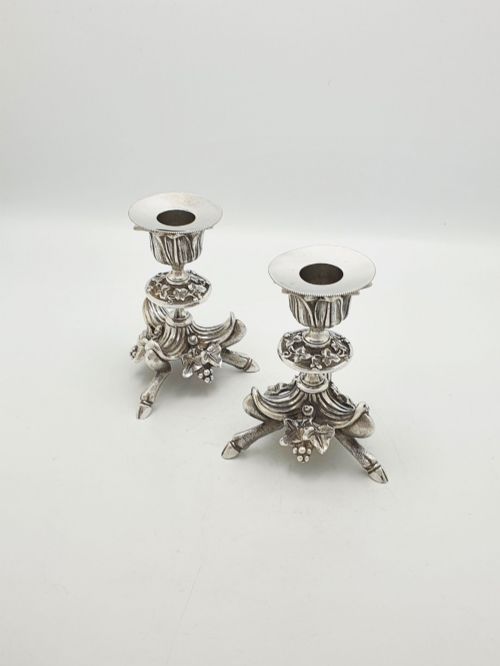

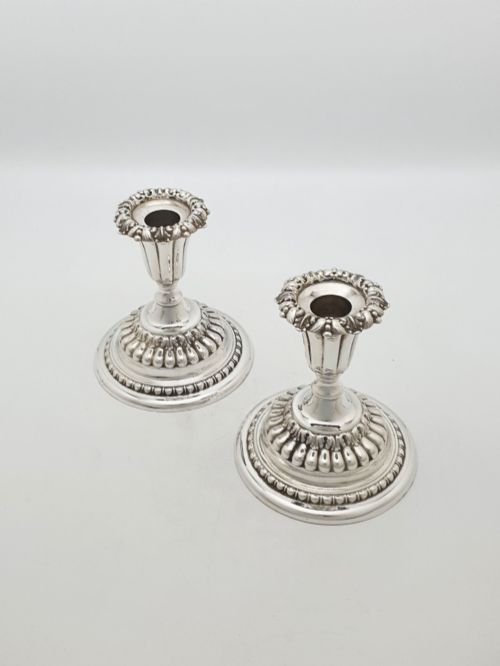
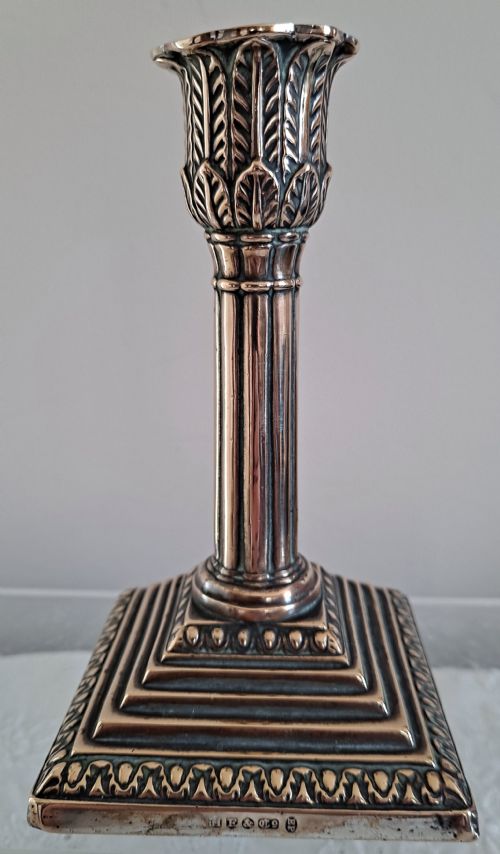
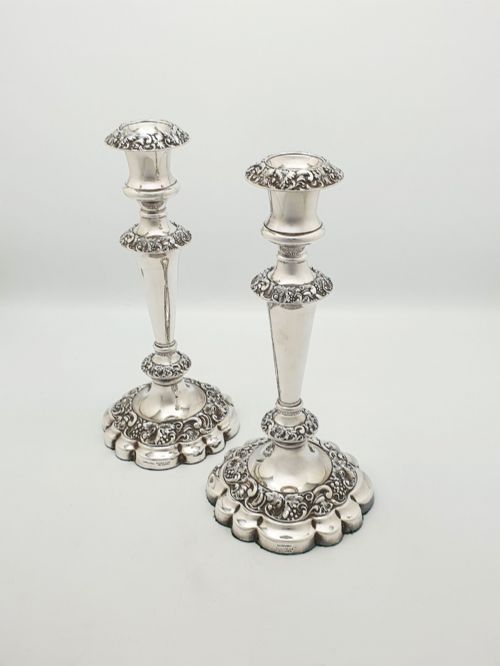


Silver Plated Candle Stands
Silver plated candle stands bring warmth to a room through reflective metal and steady height.
Silver Plated Candle Stands
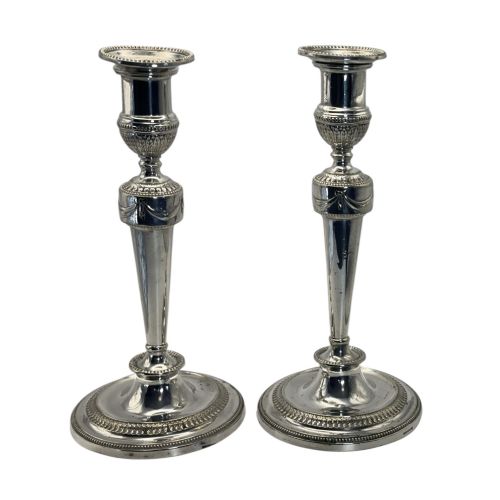
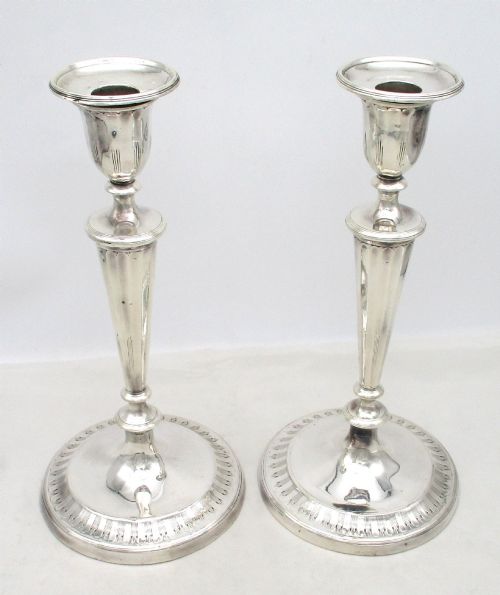
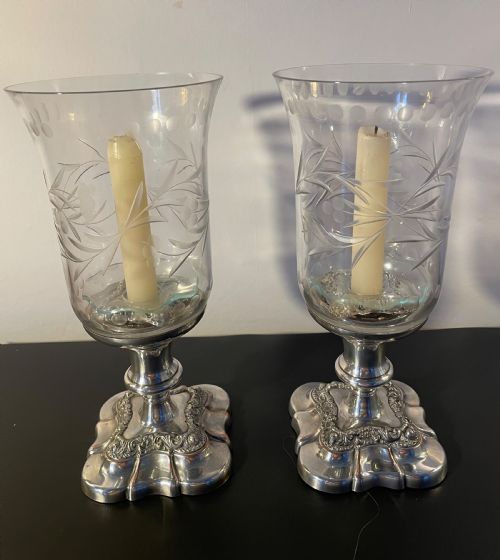
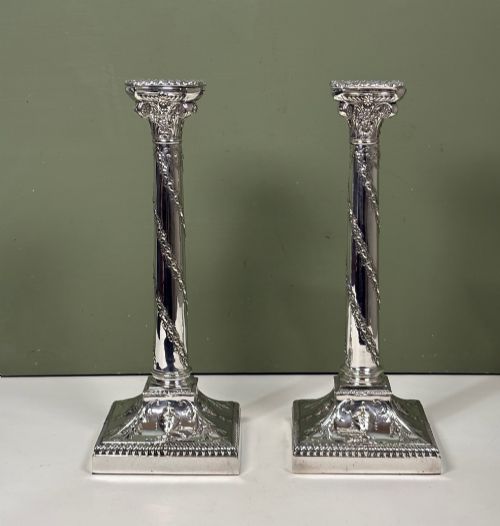
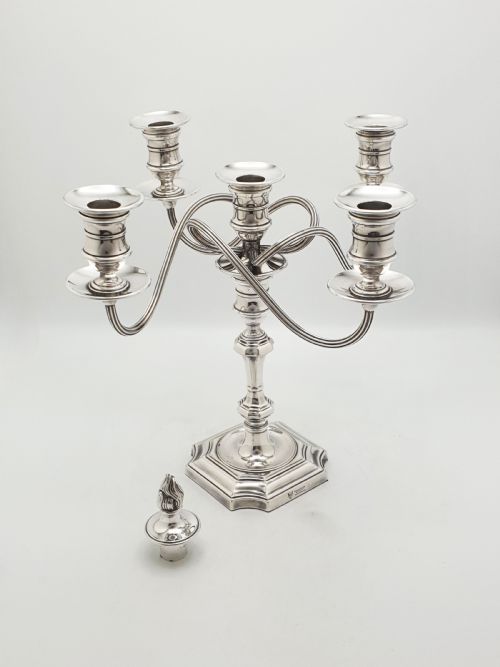
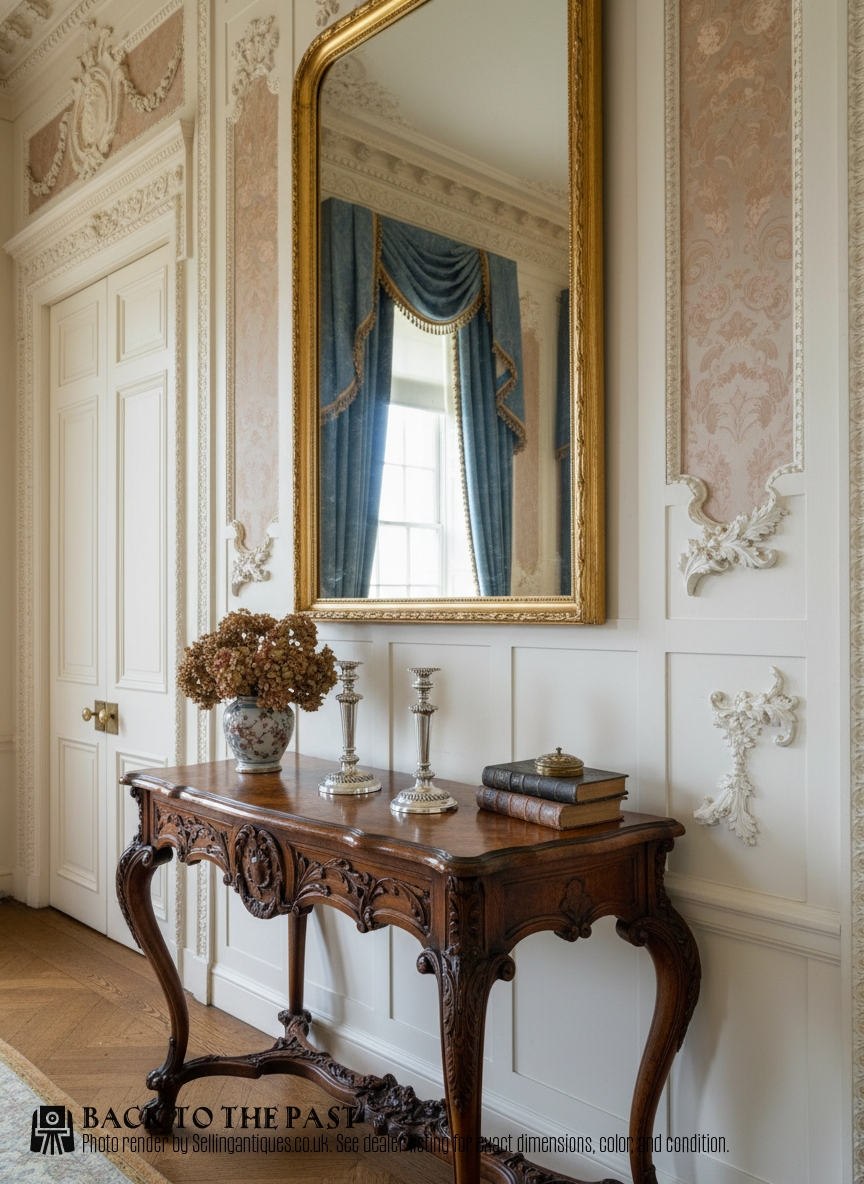
Silver plated candle stands encompass candlesticks, multi-light candelabra, and table candle holders designed to elevate light on tables and mantelpieces. You will most frequently encounter pairs dating from the Victorian and Edwardian eras, alongside earlier Old Sheffield Plate examples.
The form ranges from simple column shapes to elaborate figural designs and telescopic shafts that adjust in height. These pieces combine utility with decorative presence, drawing on Georgian, Regency, and Neoclassical design vocabularies.
How they were made
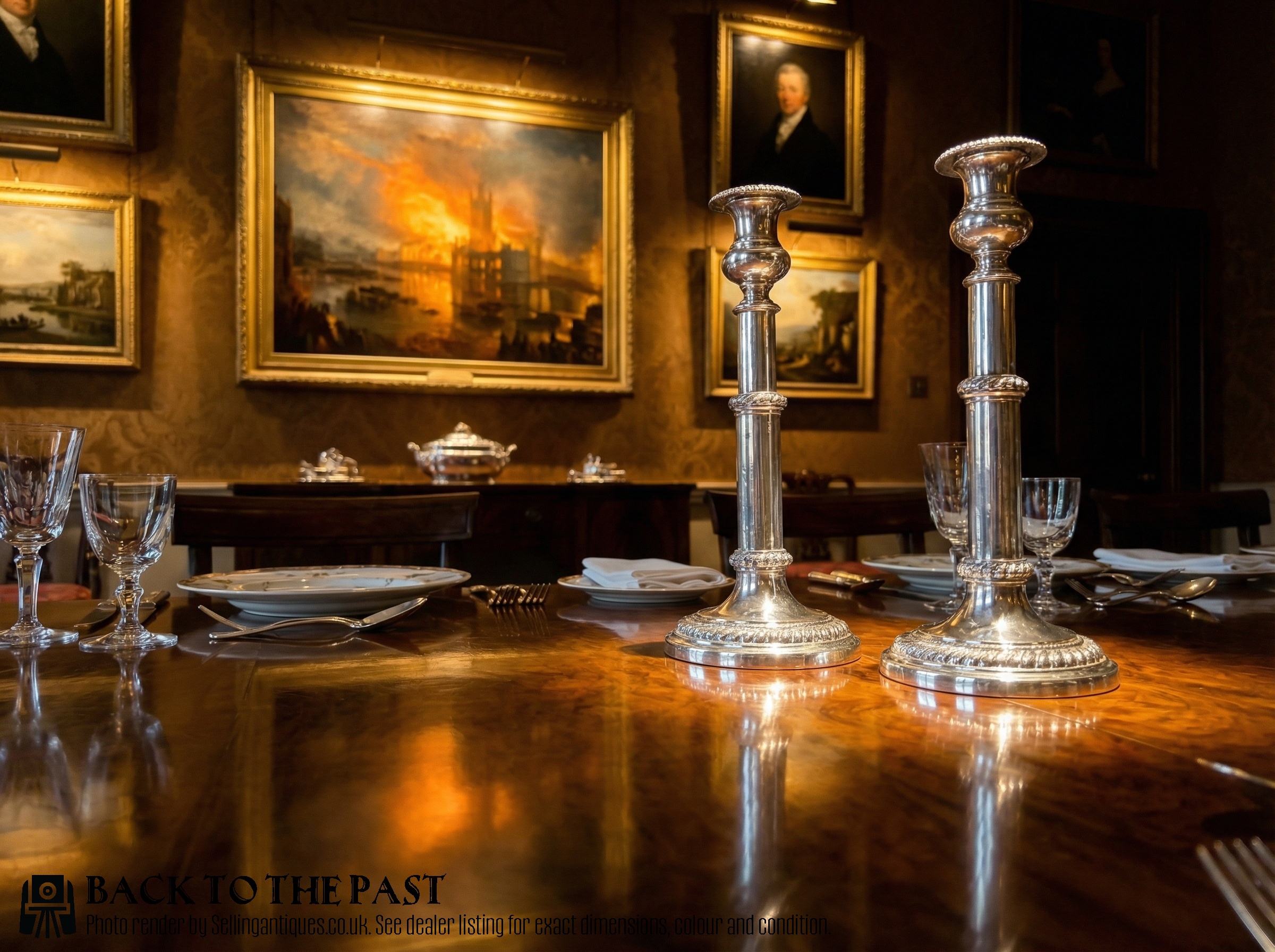
Maker's workshops built these stands using a base metal such as copper, brass, nickel silver, or pewter, which was then coated in silver. Electroplated nickel silver became common in the nineteenth century, while earlier pieces utilised Old Sheffield Plate methods where a thin sheet of silver was fused to a copper core.
Cast components formed the decorative bases and capitals, often soldered to drawn tubular shafts. Many examples incorporate weighted bases filled with resin or pitch to provide stability for tall candles.
Silver Plated Candle Stands Retail Price Guide 2026
Typical asking prices for silver plated candle stands among the pieces listed under this phrase on Sellingantiques today, from the lower quarter to the upper quarter. They describe what is for sale here now, not the wider market.
Listings feature periods spanning from the eighteenth century through the Art Deco era, utilising copper, brass, pewter, and silver plate.
What varies in quality
Quality depends on the crispness of the chased and cast ornamentation and the thickness of the original silver coating. Pieces with heavy silver deposits retain their plating through decades of polishing, whereas thin plating reveals the base copper or brass underneath.
The integrity of the construction distinguishes standard production from finer workshop output. Well-made telescopic mechanisms operate smoothly, and weighted bases remain intact without shifting or rattling.
Mappin & Webb·WMF·Smith & Sissons & Co·Barker Ellis
The Silver Plated Candle Stands Glossary
- Silver Plate
- A thin layer of silver applied over a base metal such as copper, brass, or nickel silver. This technique offered the appearance of solid silver at a lower cost.
- Old Sheffield Plate
- An early method of fusing a thin sheet of silver to a copper ingot before rolling them together into sheets. This process often reveals thin lines of copper at the edges and seams.
- Electroplated Nickel Silver
- A base metal alloy of copper, nickel, and zinc coated with silver using an electrolytic process. It gained widespread use during the Victorian period.
- Candelabra
- A branched candle holder designed to support multiple candles from a single base. They frequently feature removable branches to allow use as standard candlesticks.
- Telescopic Candlestick
- A design featuring a sliding shaft that extends upward to alter the height of the light. These mechanisms required precise fitting to hold their adjusted position.
Silver Plated Candle Stands: Frequently Asked Questions
How do I clean silver plated candle stands?
Use a soft cloth and a specialised silver polish designed for plated items to remove tarnish gently. Avoid harsh abrasive cleaners that can wear away the thin silver layer.
Take care around weighted bases and felted bottoms to keep moisture away from the interior filling during the cleaning process.
What is Old Sheffield Plate?
Old Sheffield Plate is an early form of silver plating created by fusing a sheet of silver to a copper core before shaping. This method produces a subtle warmth where the underlying copper occasionally shows through at high points.
Pieces made this way typically date from the eighteenth and early nineteenth centuries.
How do I date a silver plated candle stand?
Dating relies on stylistic clues like Neoclassical columns, Victorian figural bases, or Art Nouveau whiplash curves, combined with manufacturing methods. Maker marks stamped on the base provide a reliable guide to the workshop and production era.
Changes from copper-based Old Sheffield Plate to electroplated nickel silver in the nineteenth century also help narrow the period.
Are telescopic candlesticks fragile?
Telescopic mechanisms require careful handling when adjusting the height to prevent straining the inner sleeve. When treated with reasonable care, the sliding tubes remain stable and functional.
These extending stands were originally designed for flexibility on dining tables and desks.