
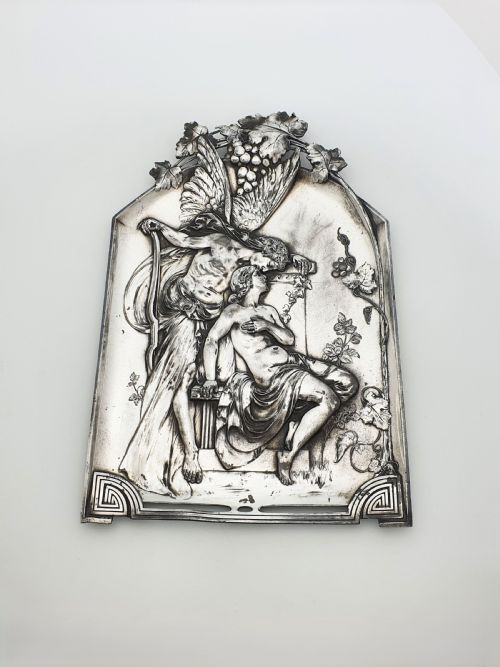


Silver Plate Plaque
A silver plate plaque brings tactile history to a wall or table, offering lasting metalwork from periods like the Victorian era and the early twentieth century.
Silver Plate Plaque
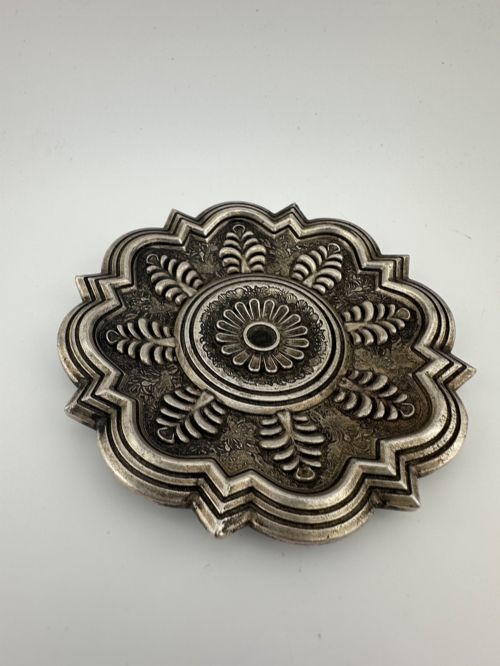
A silver plate plaque encompasses a wide variety of decorative wall hangings, chargers, and dishes produced across the nineteenth and twentieth centuries. When searching for a silver plate plaque, buyers encounter diverse international styles, including Egyptian Revival, Art Nouveau, and Chinese Export designs.
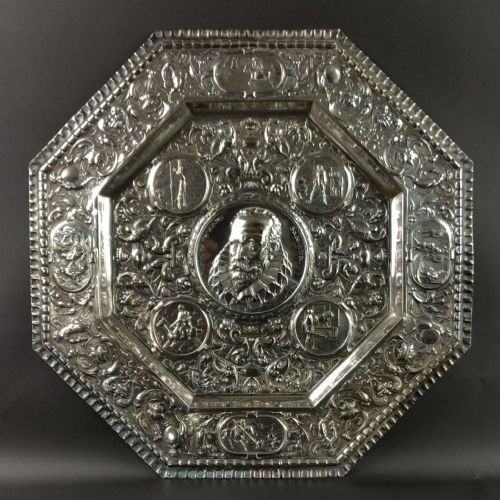
The objects take several distinct forms, ranging from large wall chargers and beaten pewter wall plates to electrotype metal plaques and serving trays featuring inset ceramic plaques. Many examples function purely as decorative wall art, while others serve as substantial decorative dishes or trays.
Originating from periods such as the Victorian era, the 1880s, and the 1920s, these pieces reflect both European manufacturing hubs and Eastern traditions. Buyers frequently meet items styled in Renaissance Revival, Indo-Persian, and Gothic traditions alongside British factory productions.
Materials and construction
Makers utilised a foundation of copper, brass, iron, pewter, or white metal, upon which silver plating or electrotype techniques were applied to create the finished appearance. Methods such as repoussé work allowed artisans to hammer detailed figures and motifs into the metal from the reverse side.
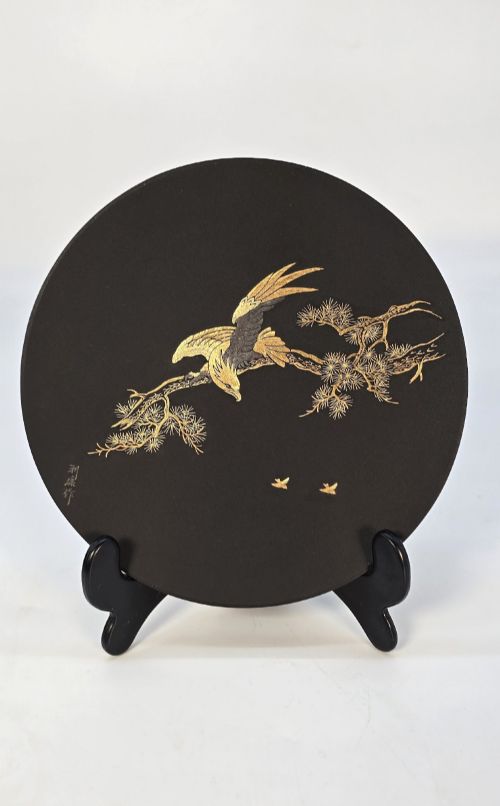
Surface decoration often involved intricate piercing, gold and silver inlay, hand-painted porcelain inserts, or applied Jasperware plaques. Workshops employed electrotyping to replicate complex sculptural forms accurately in metal.
Evaluating the craftsmanship
The distinction between standard production and exceptional work lies in the depth and crispness of the repoussé modelling and the precision of any chased or inlaid details. Heavier gauge metal foundations and complex, multi-part constructions indicate superior workshop standards.
The durability of the silver plating and the integrity of applied elements like porcelain or ceramic medallions dictate the overall preservation of the piece. Recognised manufacturing houses demonstrate a higher degree of finish in their chasing and assembly than anonymous workshop output.
WMF·Elkington and Co·George Richmond Collis
The Silver Plate Plaque Glossary
- Repoussé
- A metalworking technique where the artisan hammers the design from the reverse side to create a raised relief on the front. This method gives decorative plaques their three-dimensional depth.
- Electrotype
- A replica or object formed through the electrodeposition of metal onto a mould, allowing for exact reproduction of complex sculptural details. Elkington utilised this method extensively.
- Charger
- A large ornamental plate or platter typically displayed on a wall or sideboard rather than used for dining. These form a significant portion of large metal wall pieces.
- Jasperware
- A type of fine stoneware developed by Josiah Wedgwood, characterised by a matte finish and typically applied as a contrasting moulded relief onto metal baskets or trays.
- Cairo Ware
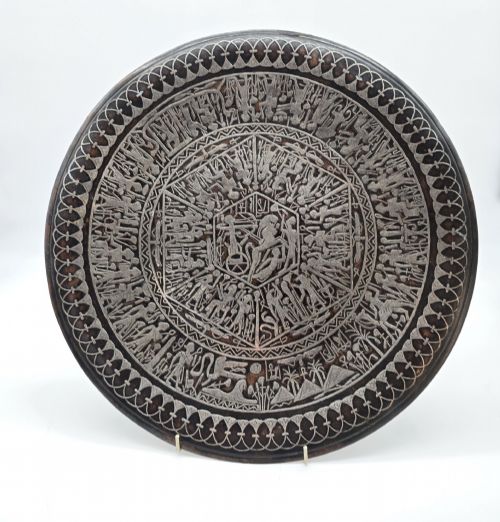
- Metalware originating from Egypt or produced in European workshops emulating Middle Eastern styles, frequently featuring intricate silver and copper inlay work.
Silver Plate Plaque: Frequently Asked Questions
How do I hang a heavy metal plaque safely?
Large wall chargers and heavy metal plaques require secure fixings anchored directly into wall studs or appropriate masonry plugs to support their substantial weight.
Utilise sturdy picture wire or dedicated bracket mounts designed specifically for heavy metal objects to ensure the piece remains securely displayed.
Were these plaques meant for walls or tables?
Many items serve a dual purpose, functioning as large decorative dishes or serving trays while also featuring construction suitable for wall display.
Heavier chargers and beaten pewter plates were primarily intended for visual appreciation on walls or sideboards rather than everyday domestic service.
How should I clean silver plated metal?
Gentle dusting with a soft, dry cloth is usually sufficient for maintaining patinated iron, copper, and silver-plated surfaces without damaging delicate inlays or applied elements.
Avoid harsh chemical dips, particularly on pieces with patinated finishes, electrotype surfaces, or inlaid gold and silver details.
What does electrotype mean for these pieces?
Electrotyping involved depositing a layer of silver onto a prepared mould through an electrolytic process, allowing manufacturers to reproduce intricate historical designs accurately.
This technique produced substantial items with fine sculptural detail that mirrored solid metal objects of earlier centuries.