



Silver Plate Pitcher
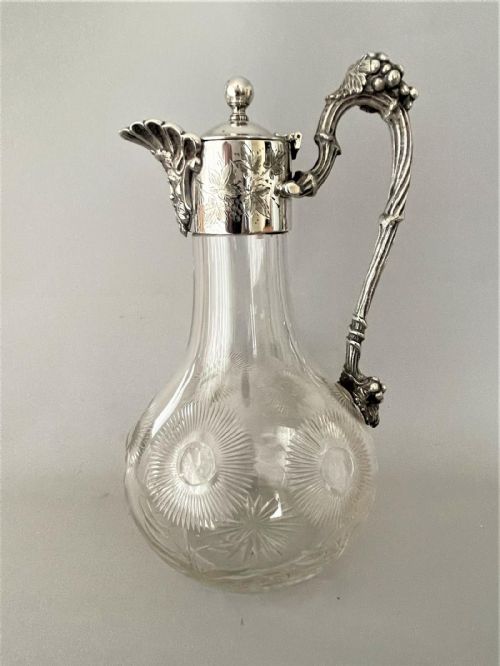
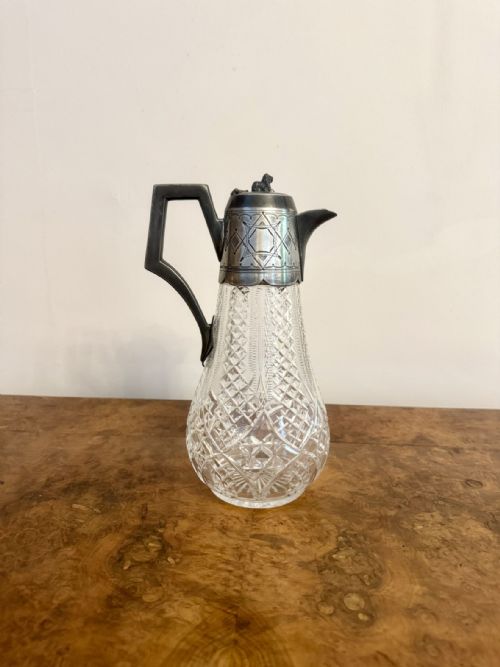
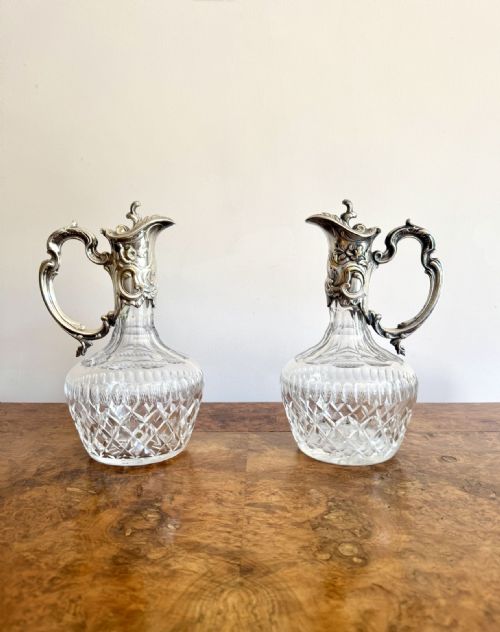
A silver plate pitcher brings together metalwork and glassware for serving wine, water and cocktails at the dining table.
Silver Plate Pitcher
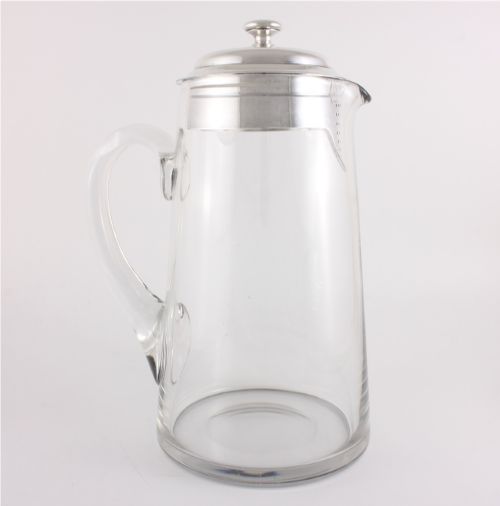
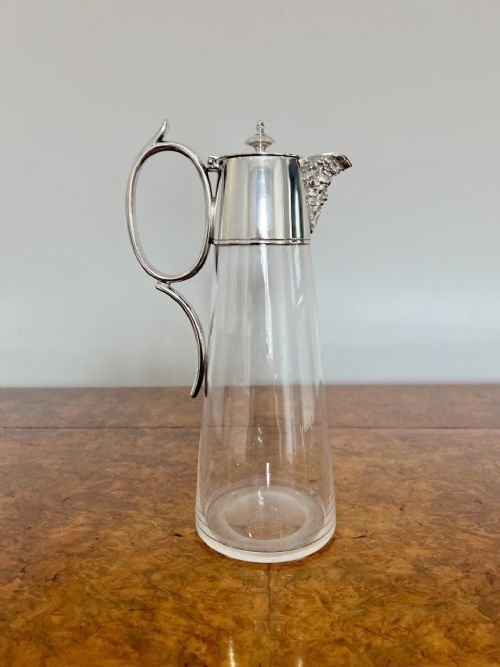
When searching for a silver plate pitcher, buyers encounter an array of serving vessels spanning from the Georgian era through to the mid-twentieth century. The selection leans heavily toward Victorian and Edwardian claret jugs, water pitchers and cocktail shakers, often combining silver-plated mounts with cut, etched or cranberry glass bodies.
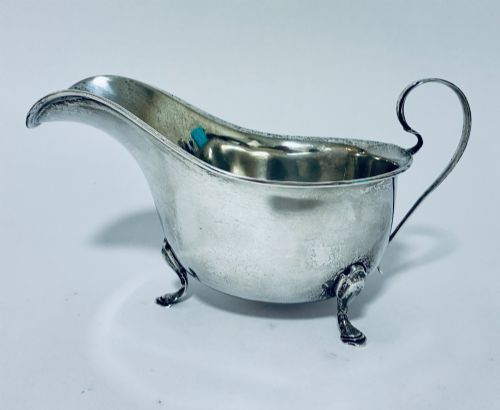
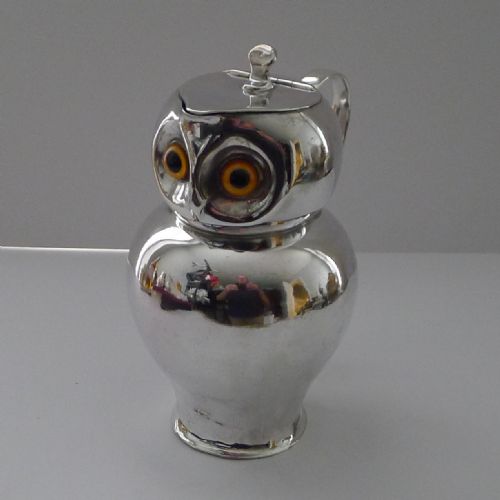
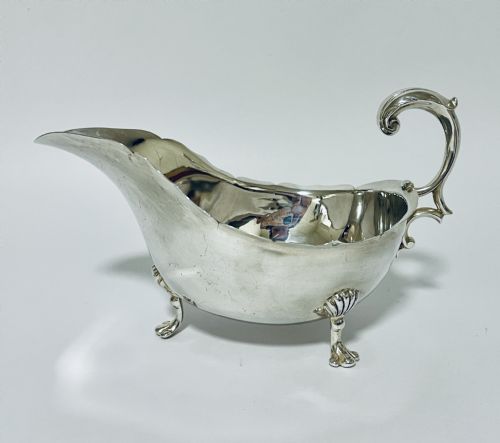
Beyond standard water and wine vessels, the form extends to specialised items such as lemonade jugs fitted with internal ice tubes, novelty animal designs, gravy warmers and cocktail shakers. These pieces reflect the evolving dining and entertaining customs of the nineteenth and twentieth centuries, utilising metal and glass to create functional table centrepieces.
Materials and manufacturing techniques
The construction of these pieces relies on a combination of silver plating over a base metal such as copper, paired with blown or moulded glass bodies that are frequently cut, etched or coloured. Early nineteenth-century items often employ Old Sheffield Plate, fusing a thin sheet of silver to a copper ingot, while later Victorian and Edwardian examples utilise electroplating techniques.
Mounts, lids and handles are cast or stamped separately before being soldered or mechanically attached to the glass or metal bodies. Details like glass eyes in novelty items and applied coats of arms demonstrate the specialised assembly methods used by silversmiths and metalworkers.
Listings feature items spanning from the eighteenth century to the mid-twentieth century, utilising silver plate, cut glass, cranberry glass and copper.
Distinctions in manufacture and preservation
Quality in a silver plate pitcher is determined by the crispness of the casting in the mounts, the depth and clarity of the glass cutting, and the integrity of the original silver plating over the base metal. Superior examples display balanced proportions between the metal mounts and the glass body, alongside secure hinges and well-fitted lids.
The involvement of recognised makers and designers influences the standing of a piece, as does the survival of original interior elements like ice tubes or stirring spoons. Wear patterns on the silver plate and the condition of the glass provide indication of how frequently the vessel was used and maintained.
Christofle·Henry Bourne·Mappin & Webb·Padley Parkin & Staniforth·Elkington & Co·James Dixon & Sons·Elkington Mason·Hukin & Heath·Karl Palda·Meriden
The Silver Plate Pitcher Glossary
- Claret jug
- A specialised vessel designed specifically for serving claret or red wine at the table. These typically feature a glass body with a silver-plated handle, spout and hinged lid.
- Old Sheffield Plate
- An early method of fusing silver to a copper base before electroplating became common. This technique produces distinct edge lines where the underlying copper shows through subtly.
- Electrotype
- A replica or object produced through the electrodeposition of silver onto a mould. This process allowed Victorian makers to achieve high levels of sculptural detail.
- Ice tube
- A removable internal cylinder designed to hold ice and chill liquids without diluting them. These are frequently found in Victorian lemonade and water pitchers.
- Argyll
- A covered gravy warmer equipped with a central internal cylinder for hot water. This design kept sauces warm during long formal meals.
Silver Plate Pitcher: Frequently Asked Questions
How do I clean a silver plate pitcher safely?
Use a soft cloth and a specialised silver polish designed for plated items to maintain the surface without removing the thin layer of silver. Avoid harsh abrasives or soaking the entire piece, particularly if it incorporates glass or wooden components.
Dry the vessel thoroughly after washing to prevent water spots and tarnishing. Store the pitcher in a dry environment away from direct sunlight and damp conditions.
How can I tell Victorian from Edwardian pieces?
Victorian pieces tend to feature heavy, ornate ornamentation, deep glass cutting and robust classical or aesthetic movement styling. They often date from a period of elaborate dining rituals and heavy tableware.
Edwardian examples frequently display lighter proportions, simpler lines and influences from Art Nouveau or refined classical revivals. The hallmarks, maker marks and registration numbers on the silver mounts also help establish the decade of production.
What is Old Sheffield Plate?
Old Sheffield Plate is an early composite material made by fusing a thin sheet of sterling silver to a thicker copper core. This technique predates modern electroplating methods and requires skilled hand fabrication.
Pieces made this way often reveal a faint line of copper along cut edges or high points where the silver layer has worn thin through centuries of use and cleaning.