



Silver Plate Glass Carafe
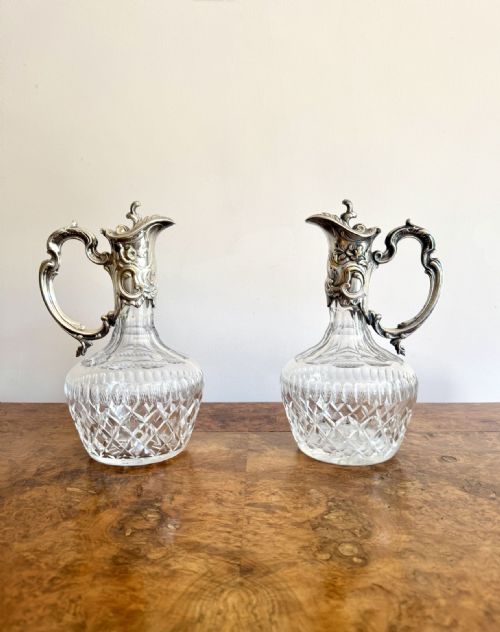
These pieces are silver plate glass carafes, bringing refined Victorian and Edwardian poured wine and water to the modern table.
Silver Plate Glass Carafe
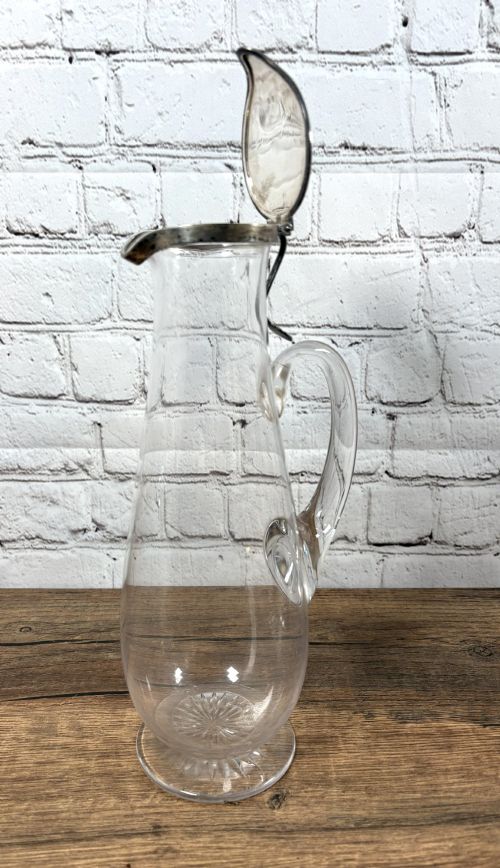
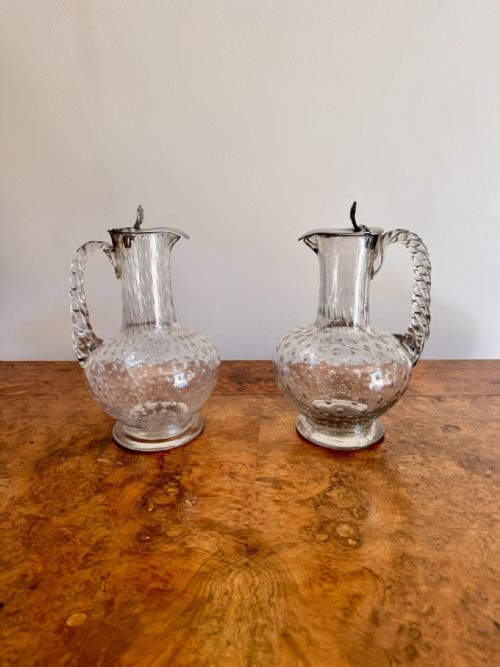
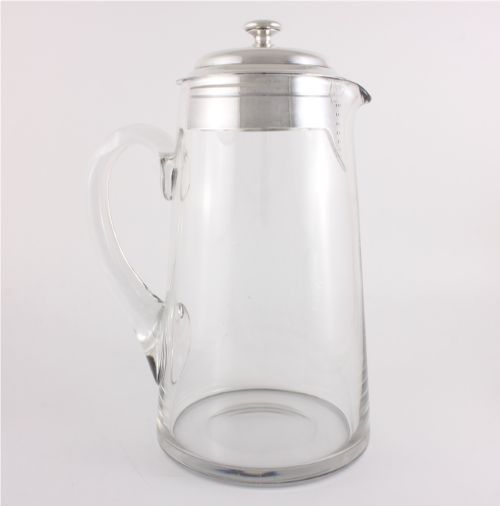
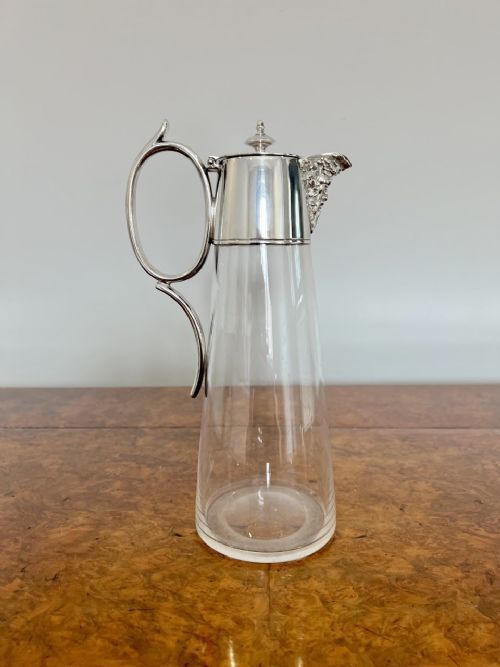
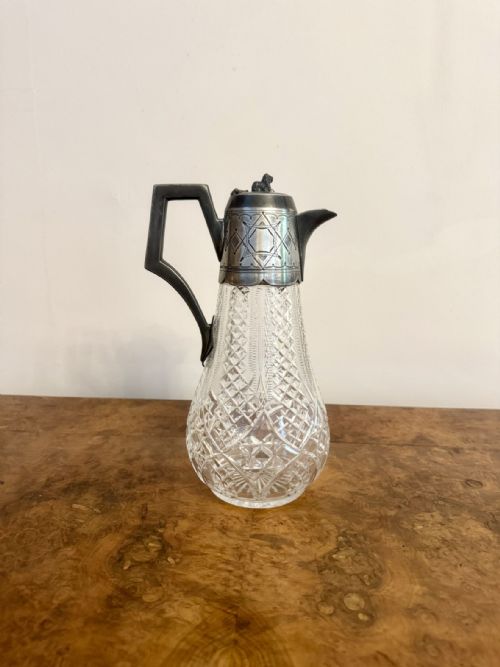
A silver plate glass carafe combines metal mounts with transparent or coloured vessels, appearing frequently as claret jugs, wine decanters, and water pitchers. These serving vessels span periods from the mid-nineteenth century through the Edwardian era, reflecting formal dining traditions of the past.
The objects take diverse forms, including traditional pear-shaped jugs, novelty designs such as Scottish thistles or champagne bottles, and pieces fitted with internal ice tubes. Most examples met on this page originate from English and French workshops, utilising glass alongside plated metal.
Buyers seek these items for practical dining use or display, drawn to the contrast between polished metal and glass bodies. The selection ranges from plain glass containers to heavily decorated specimens with hinged lids and elaborate spouts.
How they were made
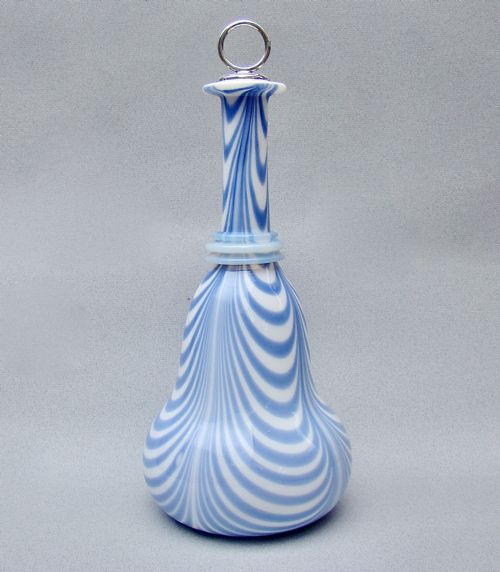
The vessels employ clear, cut, etched, or coloured glass such as cranberry and Bristol blue, often shaped by hand or blown into moulds. Metal mounts, handles, and hinged covers are formed from silver plate or old Sheffield plate, secured directly to the glass necks.
Manufacturers applied techniques like deep wheel cutting and acid etching to pattern the glass bodies, creating light-catching facets and botanical or geometric motifs. Silversmiths cast and chased the metal components separately before attaching them to complete the ewer or jug.
Silver Plate Glass Carafe Retail Price Guide 2026
Typical asking prices for silver plate glass carafe among the pieces listed under this phrase on Sellingantiques today, from the lower quarter to the upper quarter. They describe what is for sale here now, not the wider market.
Makers occasionally turned wine serving into a joke by shaping glass decanters into Scottish thistles and champagne bottles.
What varies in quality
The distinction between standard items and superior examples lies in the crispness of the glass cutting and the weight of the metal mountings. Heavier silver plating and intricate hand-etched designs indicate higher production standards.
Makers known for distinct design work, such as Christopher Dresser collaborations or established silversmith firms, command greater attention from collectors. The balance of the piece when lifted and the precise alignment of the hinged lid also separate ordinary utility wares from exceptional objects.
Christofle·Mappin & Webb·Elkington·Hukin & Heath
The Silver Plate Glass Carafe Glossary
- Silver Plate
- A base metal coated with a thin layer of silver through electroplating or older fusion methods. This provides the appearance and lustre of solid silver at a different scale of production.
- Claret Jug
- A specialised pouring vessel designed specifically for serving red wine at the dining table. They typically feature a hinged metal lid and a handle attached to a glass body.
- Cranberry Glass
- A rich red glass coloured by the addition of gold chloride into the molten batch. It gained popularity during the Victorian period for decorative tableware.
- Old Sheffield Plate
- An early method of fusing a sheet of silver to a thicker copper base before rolling them into sheets. This technique predates modern electroplating.
- Etched Glass
- Glass decorated by applying acid to eat away exposed areas, creating frosted designs or patterns. The technique allows for delicate pictorial details on decanters and jugs.
Silver Plate Glass Carafe: Frequently Asked Questions
What is a silver plate glass carafe used for?
These vessels served originally for decanting and pouring wine, claret, water, or lemonade at formal nineteenth-century dining tables. The hinged lid kept contents covered between pours.
Today, they function as decorative table centrepieces, functional wine decanters, or serving pitchers for gatherings.
How do I clean a silver plate glass carafe?
Wash the glass interior gently with warm water and mild detergent, avoiding harsh abrasives that might scratch the surface. Use specialist silver polish on the metal mounts, taking care not to stain the glass.
Keep moisture away from any internal cement or cork liners that may secure the collar to the neck.
How do I date a silver plated decanter?
Examine the style of the glass cutting, the shape of the handle, and any maker stamps or registry marks stamped onto the metal mount. Victorian pieces often display heavier cast mounts and deep cut glass patterns.
Edwardian examples tend toward lighter, sleeker mounts or distinct Art Nouveau and Arts & Crafts stylistic influences.
Are these carafes safe for serving wine?
Most antique glass and silver plate vessels remain suitable for holding and serving beverages after a thorough and gentle cleaning. Ensure the interior is free of old residue before use.
Avoid leaving acidic liquids or wine inside the vessel for extended periods to protect the antique metal plating.