
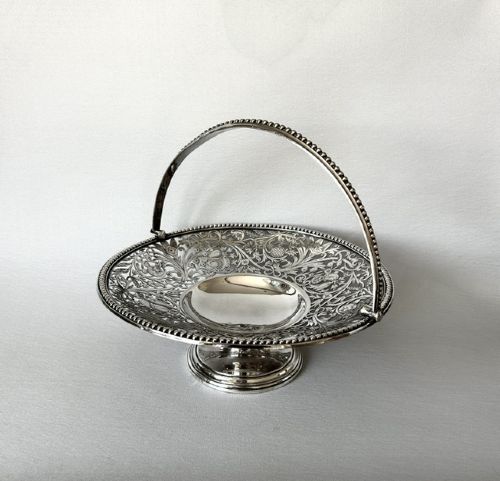
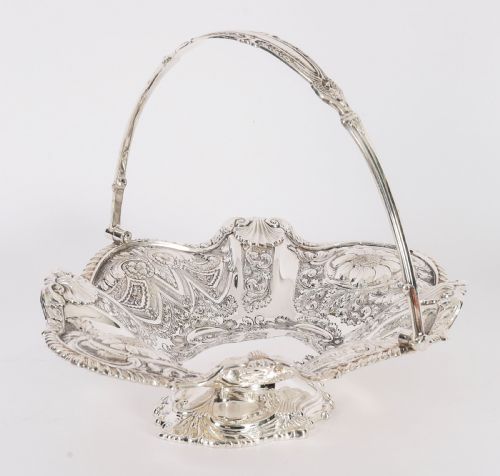
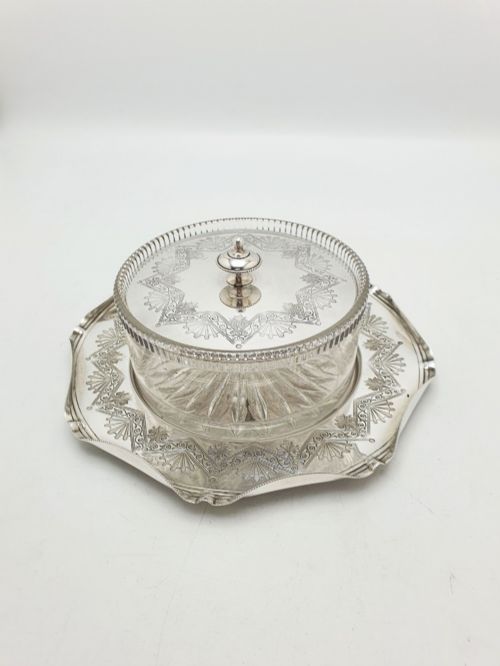
Silver Plate Dish
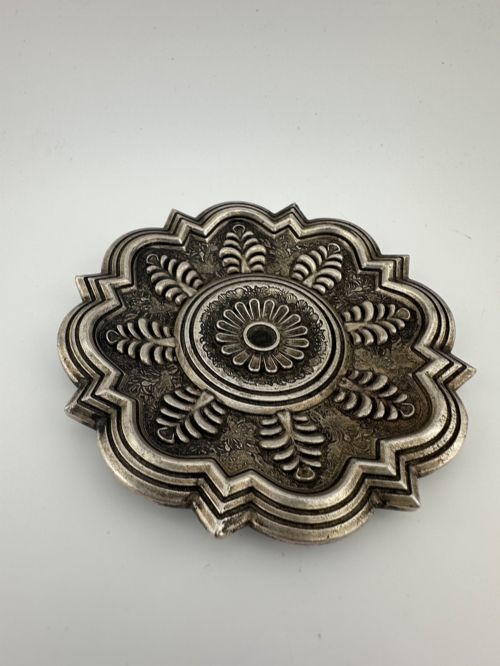
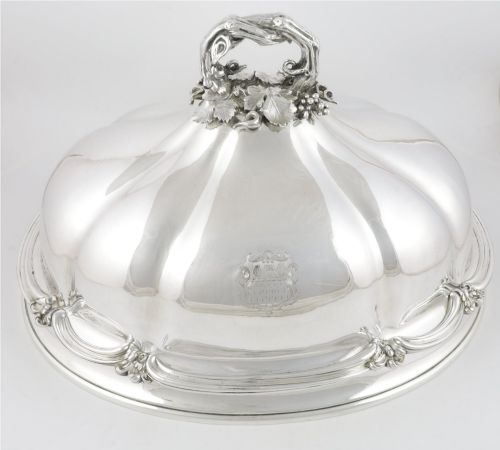
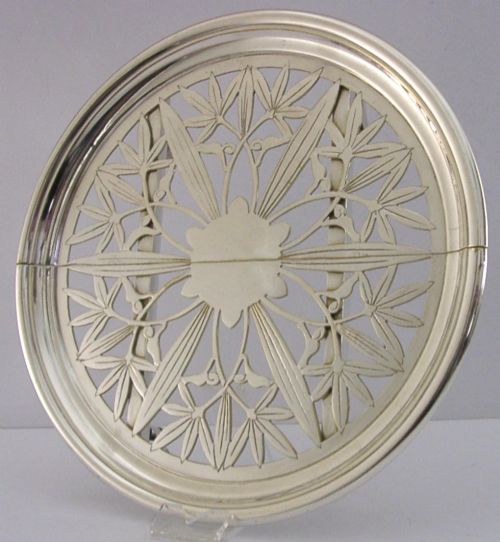
A silver plate dish brings practical elegance to the table, spanning everything from Georgian meat domes to Art Deco serving stands.

Silver Plate Dish
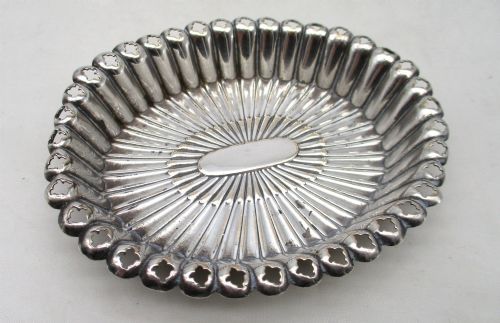
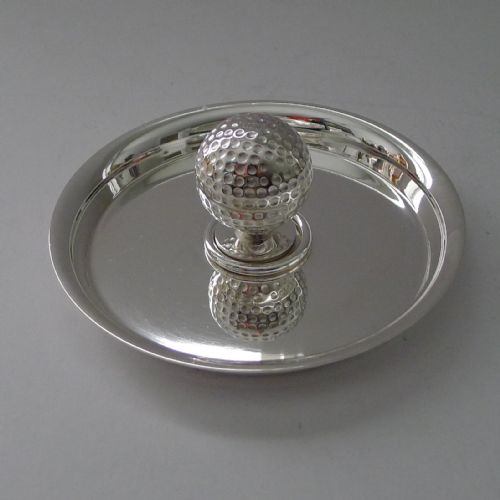
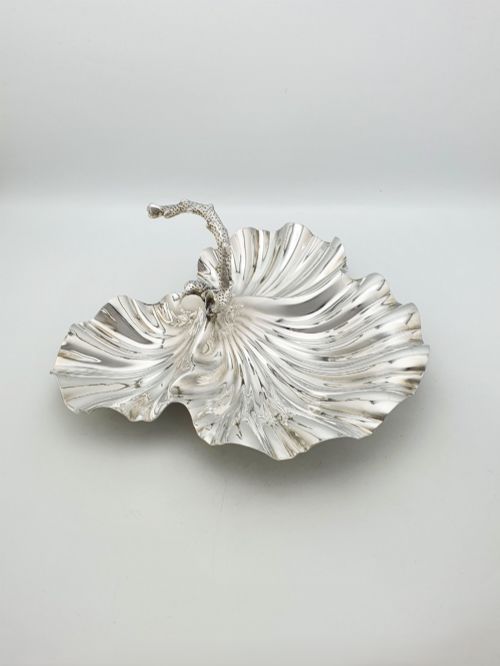
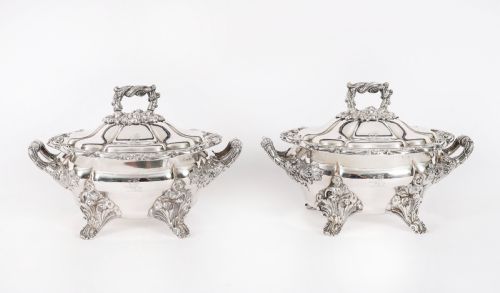
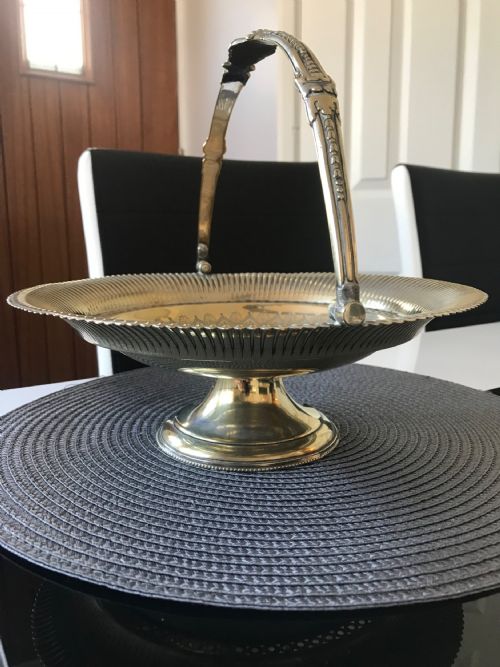
A silver plate dish encompasses a wide variety of serveware, ranging from Victorian fruit baskets and butter dishes to Edwardian entree servers and novelty nut dishes.
Makers utilised various base metals and plating techniques across centuries, producing functional tableware for dining rooms and decorative vessels for display.
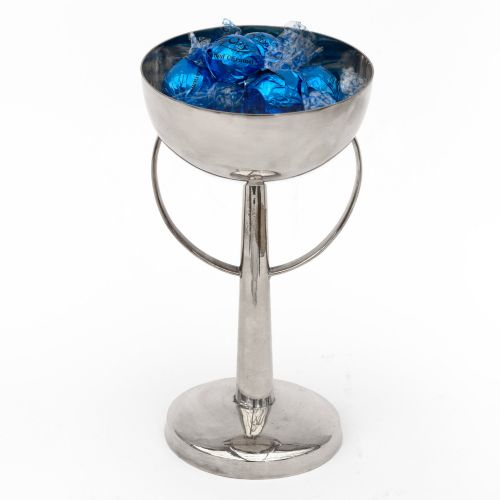
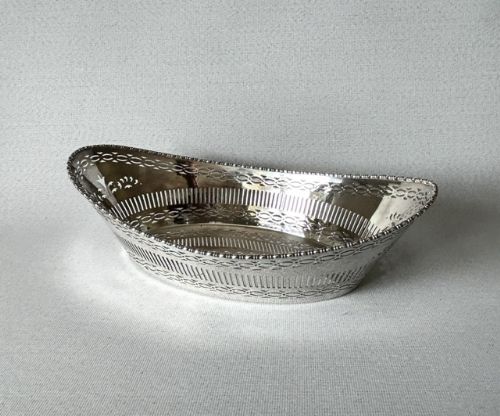
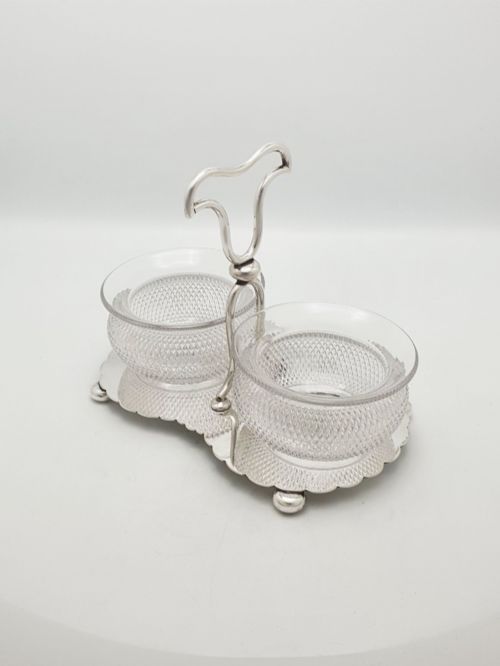
The selection includes specialised forms like sardine dishes with glass liners, pedestal bowls, and caked stands originating from British, European, and wider international workshops.
How They Were Made
Early pieces often relied on Old Sheffield Plate, fusing a thin sheet of silver to a copper base, which can reveal subtle copper lines along edges and wear points.
Later nineteenth and twentieth-century items typically utilised Electroplated Nickel Silver, applying a uniform layer of silver over a durable white metal alloy base.
Many designs incorporate contrasting materials, combining plated mounts with cut glass liners, ceramic inserts, or natural elements like amber and cranberry glass.
Several playful novelty dishes take the shape of squirrels holding nuts, cows, and swans.
What Varies in Quality
The crispness of chased and repoussé ornamentation dictates much of the visual appeal, separating mass-produced items from deeply hand-worked pieces.
The durability of the underlying construction and the retention of the original silver coating determine how gracefully a piece ages through decades of use.
Roberts Cadman·George W. Scott And Sons Ltd·Mappin And Webb·Daniel Arter·Walker And Hall·Elkington And Co·James Dixon And Sons·Hukin And Heath·A.G. Dufva
The Silver Plate Dish Glossary
- Old Sheffield Plate
- A method of fusing silver to copper before rolling them into sheets. This technique predates modern electroplating.
- Electroplated Nickel Silver
- A base metal alloy of copper, nickel, and zinc coated with a layer of pure silver through an electrical process. It became the standard manufacturing method in the nineteenth century.
- Repoussé
- A metalworking technique where the artisan hammers the design from the reverse side to create a raised motif on the front. Floral rims often display this detailed work.
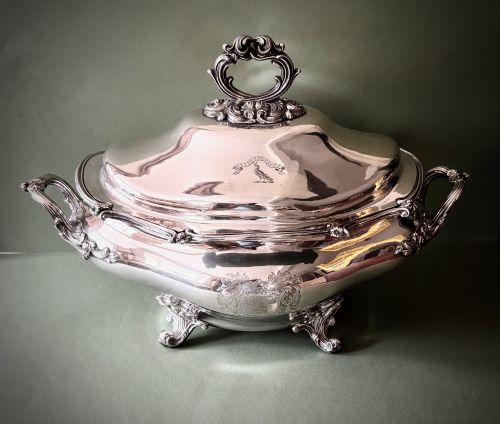
- Entree Dish
- A covered serving vessel designed to keep hot food warm at the table. These often feature removable handles for versatile stacking.
- Vide Poche
- A small decorative tray or pocket emptier used for holding daily small items. These frequently appear in mid-century modernist designs.
Silver Plate Dish: Frequently Asked Questions
How can I tell Old Sheffield Plate from later electroplate?
Examine the edges and rims closely for any sign of a thin copper line showing through the silver surface. Old Sheffield Plate reveals this distinctive copper seam because of the fusing method used.
Electroplated items show a uniform white metal alloy base underneath if the silver coating wears away over time.
Were these glass liners always made for these dishes?
Many Victorian butter, preserve, and sardine dishes were manufactured specifically to house fitted glass liners. Coloured glass inserts in cranberry, amber, or vaseline hues were popular during the Edwardian era.
Replacement liners are common, so check whether the glass fits the contours and mounts of the plated frame snugly.
How were entree dishes used in the dining room?
Entree dishes kept cooked portions warm during formal multi-course meals before being served to guests at the table. The fitted covers helped retain heat while the twin handles allowed easy transport.
Many styles feature detachable lids that double as secondary shallow serving trays when separated.