



Silver Pint Cup
A silver pint cup sits comfortably in the hand, offering a tangible connection to the drinking traditions of the eighteenth and nineteenth centuries.
Silver Pint Cup
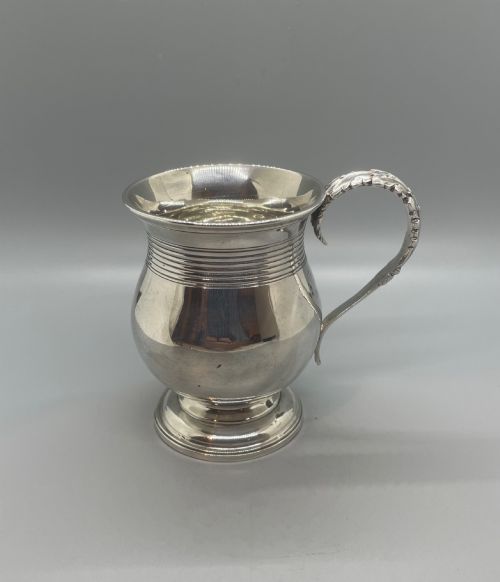
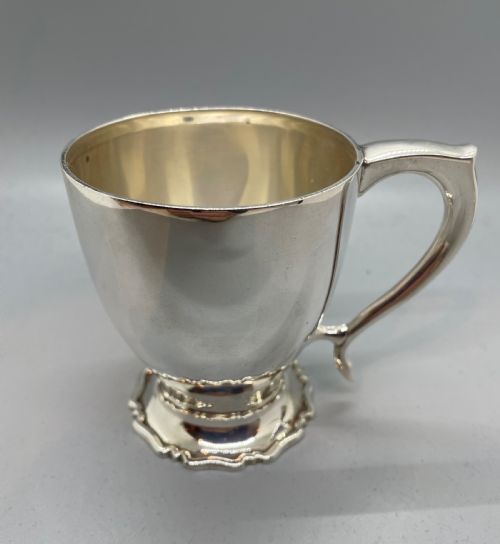
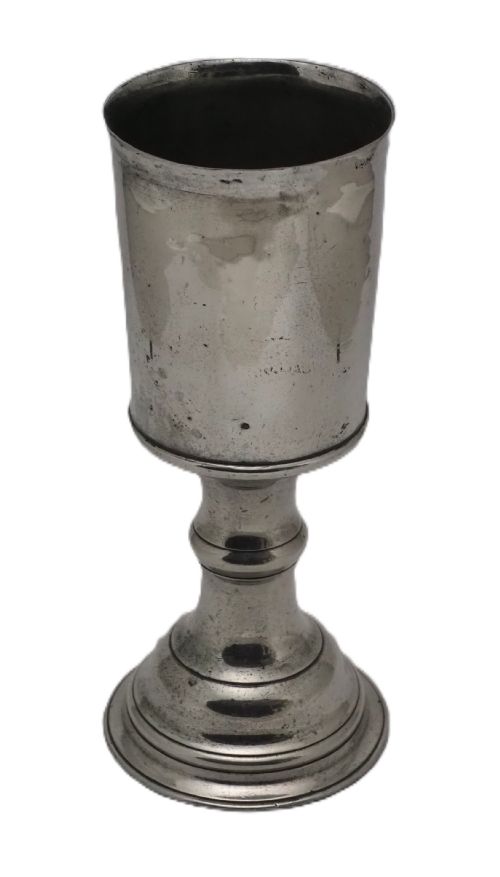
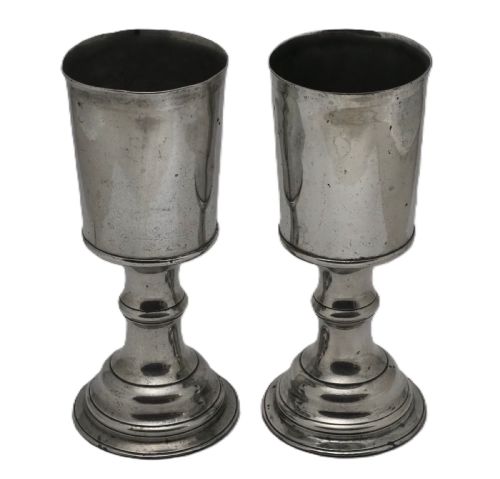
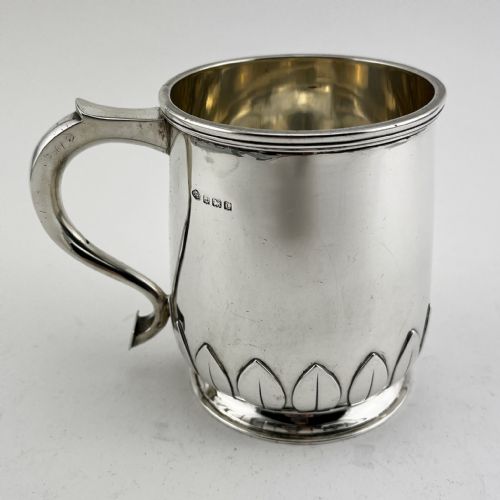
A silver pint cup serves as a functional drinking vessel, taking the form of a mug, tankard, or chalice. These pieces appear across periods spanning from the mid eighteenth century through to the mid twentieth century, encompassing Georgian, Victorian, and Arts and Crafts designs.
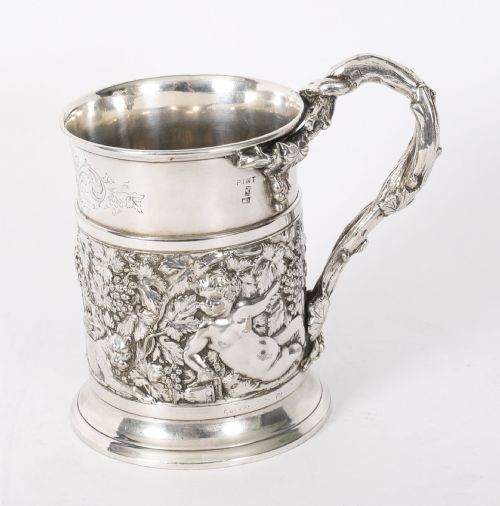
The evidence shows examples created from sterling silver, old Sheffield plate, pewter, and silver plate. Buyers encounter both plain bodies and embossed or engraved surfaces, reflecting the decorative preferences of different eras.
How they were made
Silversmiths shaped solid sterling silver and older materials through hammering and raising techniques to form the body of the cup. Details such as handles and rims were then soldered into place.
Makers utilised embossing and engraving to decorate surfaces, whilst plating methods such as old Sheffield plate applied a thin layer of silver over a base metal foundation.
The records show materials spanning sterling silver, pewter, old Sheffield plate, silver plate, copper, and gilding across multiple eras.
What varies in quality
The weight of the metal and the integrity of the construction distinguish different examples. Solid sterling silver and substantial gauges of pewter offer a different tactile permanence compared to plated alternatives.
The crispness of hand-engraving and the balance of the handle attachment show the maker's skill. Pieces retaining clear hallmarks provide a reliable record of their origin and date.
G R Collis·Shaw and Priest
The Silver Pint Cup Glossary
- Sterling silver
- A silver alloy containing 92.5 percent pure silver by mass, with the remainder consisting of other metals such as copper.
- Old Sheffield plate
- An early fused plating method where a layer of silver is fused to a copper core.
- Tyg
- A large drinking cup featuring multiple handles, allowing it to be shared among company.
- Hallmark
- An official stamp applied to precious metals indicating purity, origin, and the year of assay.
- Baluster
- A vertical architectural form with a swelling lower portion, often seen in the profile of eighteenth-century drinking vessels.
Silver Pint Cup: Frequently Asked Questions
How do I clean my silver pint cup?
Use a soft cloth and a specialised silver polish to remove tarnish gently. Avoid harsh abrasive materials that can scratch the surface or wear away thin plating.
Wash the vessel in warm soapy water and dry thoroughly after cleaning to preserve the finish.
Can I drink from an antique silver pint cup?
Many solid silver and pewter vessels remain fully functional for drinking beverages. Ensure the interior is thoroughly cleaned before use.
Plated items require more care to ensure the underlying metal remains covered and protected from acidic liquids.
What is the difference between a mug and a tankard?
Mugs generally feature an open cylindrical or slightly tapering body with a single handle. Tankards often include similar proportions but traditionally refer to vessels with hinged lids, though the terms overlap in older listings.
Both forms appear frequently in capacity sizes around one pint.
How do I identify the date of a silver cup?
Look for stamped hallmarks on the base or near the rim of sterling silver pieces. These marks typically include date letters, maker's marks, and assay office symbols.
Pewter and plated items rely more on style, form, and maker's marks rather than official assay dates.