


Silver Pewter Dish
A silver pewter dish brings tactile weight and quiet historical presence into a room, spanning plain everyday vessels to elaborate continental centrepieces.
Silver Pewter Dish
When you search for a silver pewter dish, you encounter a varied collection of domestic vessels, chargers, card trays, and table baskets. These objects bridge simple utilitarian forms and decorative metalwork, reflecting shifting tastes across multiple centuries.
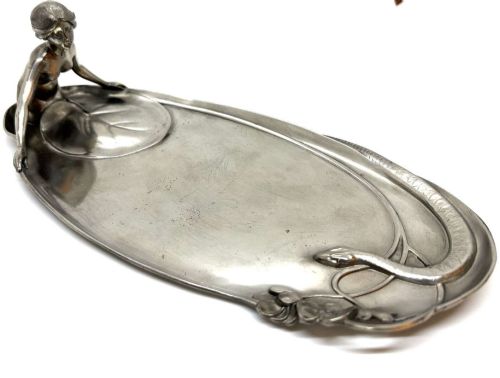
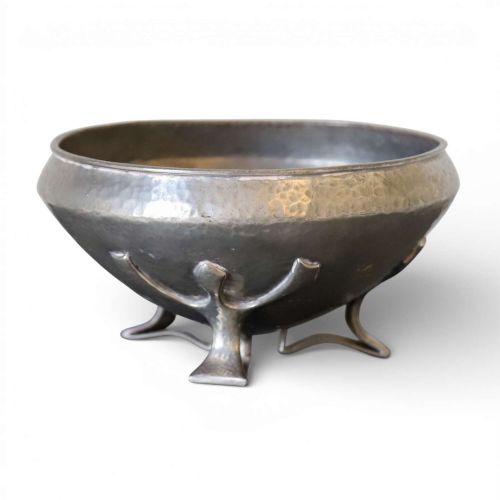
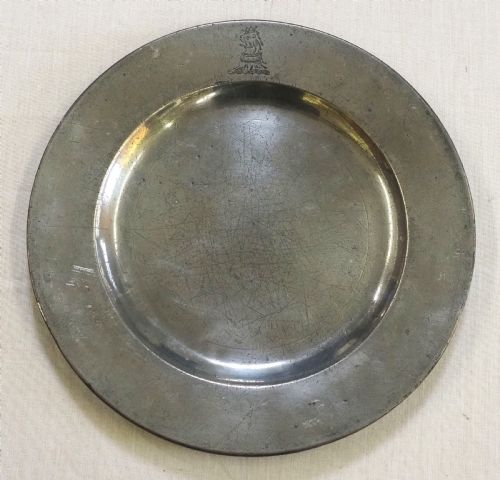
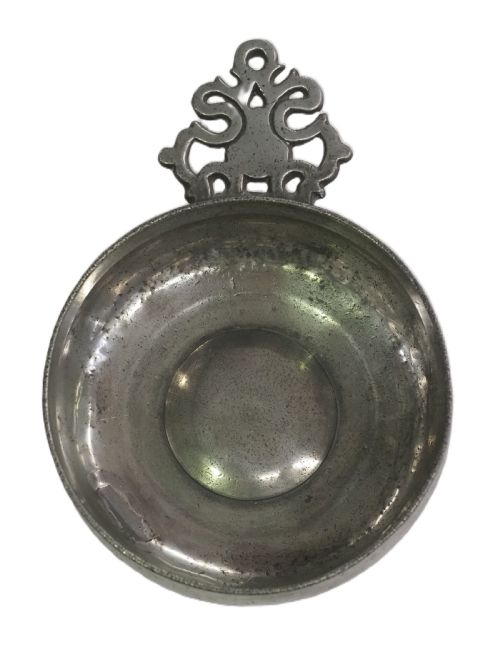
The most common formats on this page range from broad eighteenth-century chargers with plain or reeded rims to sinuous Art Nouveau card trays and hammered Arts and Crafts bowls. English domestic pieces sit alongside continental European designs, including weighted fruit stands and handled porringers.
Makers utilised various base metals and surface treatments, producing items that mimic brighter silver or retain the warm, subdued grey tone characteristic of traditional pewter. Collectors encounter everything from seventeenth-century stamped plates to early twentieth-century Tudric tableware.
Materials and construction
Casting and hammering form the foundation of these vessels, with workshops utilising pewter, Britannia metal, and silvered surfaces to achieve different finishes. Artisans beat many Arts and Crafts and William and Mary chargers all over, creating textured surfaces that catch the light.
Makers also integrated contrasting elements such as cut or ruby glass inserts into metal frameworks, particularly in continental decorative baskets and centrepieces. Metal plating and silvered coatings were frequently applied over base pewter or Britannia metal to brighten the appearance of card trays and tazza.
Several pieces feature winged serpents and figural maidens keeping watch over your paperclips and visiting cards.
Judging quality and character
Quality rests on the crispness of the maker's touch, whether in the deep definition of a hammered texture, the clean sweep of a wavy edge, or the secure casting of figural mounts. Pieces bearing clear maker stamps or touchmarks carry greater documentary weight.
Proportion and surface integrity dictate distinction, separating routine production wares from ambitious studio designs. The handling of edges on plain rim plates and the structural balance of footed fruit baskets reveal the maker's skill.
Liberty and Co·Oliver Baker·James Spackman·Thomas Templeman·Thomas Powell·Archibold Knox
The Silver Pewter Dish Glossary
- Charger
- A large decorative or serving plate, often measuring twenty inches or more across, designed for display on a wall or sideboard. These substantial pieces anchor historical dining collections.
- Porringer
- A small, shallow bowl with one or two flat horizontal handles, used historically for porridge, broth, or bleeding. Early examples often show precise fluid capacities.
- Britannia metal
- A tin-based alloy containing antimony and copper, developed in the late eighteenth century as a harder alternative to traditional pewter. It accepts silver plating exceptionally well.
- Tazza
- A small stemmed dish or pedestal platter elevated above the table surface for serving fruit or sweets. They frequently incorporate glass liners or figural metal supports.
- Quaiche
- A traditional two-handled drinking vessel of Scottish origin, translated into modern metalwork during the twentieth century. These low, wide bowls emphasise symmetrical handles.
- Triple reeded
- A rim profile featuring three parallel raised bands running around the circumference of a plate or charger. This decorative moulding adds rigidity and visual structure.
Silver Pewter Dish: Frequently Asked Questions
How do I clean a silver pewter dish?
Pewter requires gentle washing with warm soapy water and a soft cloth to preserve its natural patina. Avoid harsh silver dips and abrasive scouring pads that strip away the historic surface.
Dry the vessel thoroughly immediately after washing to prevent water spotting. A light application of microcrystalline wax can protect silvered or plated finishes from further oxidation.
Can I use these dishes for serving food?
Many historical pewter and Britannia metal dishes were made for domestic dining, but older pieces may contain lead content. Modern food safety standards advise caution with antique alloys.
It is generally wiser to use these pieces for dry presentation, decorative display, or holding desk accessories rather than wet foodstuffs. Glass-lined stands safely accommodate food items within the glass dish.
How do I date an antique pewter dish?
Dating relies on matching maker touchmarks, rim styles, and manufacturing techniques to established historical periods. Plain rims and broad hammer marks often point to seventeenth or eighteenth-century English origins.
Later Victorian and Edwardian pieces display distinct stylistic markers like whiplash curves or structured geometric patterns. Consulting maker marks helps narrow production down to specific decades.
Where should I display a large wall charger?
Large chargers need secure wall fixings designed to support the weight of heavy metal plates safely without stressing the rim. Position them at eye level where surface hammering and maker stamps remain visible.
Keep pieces away from direct heat sources and damp environments to protect the metal composition. Pairing chargers with smaller desk accessories or card trays on nearby surfaces creates a balanced display.