


Antique Metal Pin Dish
An antique metal pin dish brings small desk accessories and decorative trays into daily use, offering crafted metalwork from the late nineteenth and early twentieth centuries.
Antique Metal Pin Dish
An antique metal pin dish is a small vessel designed for desks and dressing tables, encompassing card trays, pen trays, and vide poche forms. These items serve to hold small personal items while adding decorative character to a room.
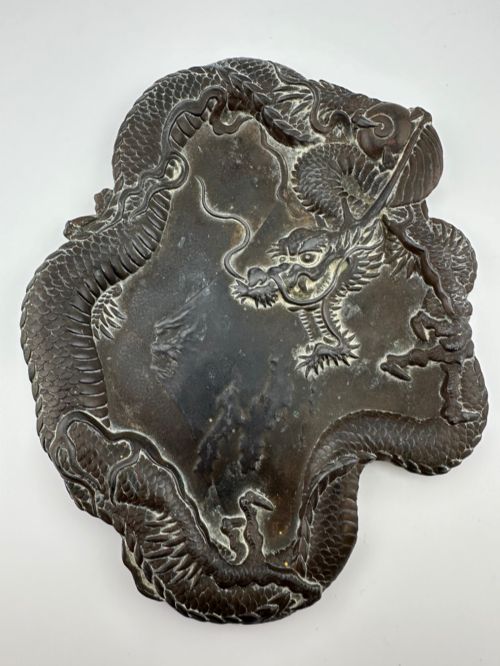
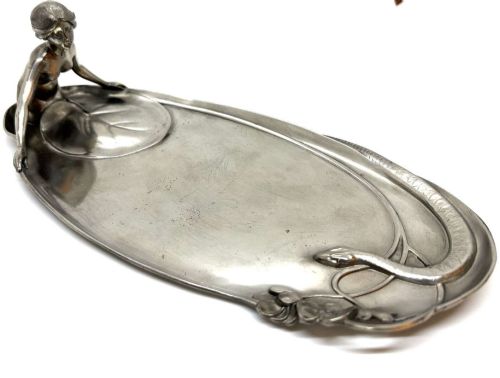
The selections available span periods from the late nineteenth century through the Edwardian era and into the Art Deco years of the 1930s. Forms range from simple square trays to figural designs featuring maidens, animals, and classical motifs.
Origins vary across European workshops and Japanese export studios, showing distinct stylistic influences from Art Nouveau and Neoclassical periods. Buyers encounter items intended for functional desk organisation alongside purely decorative dishes.
How they were made
Makers utilised cast and patinated metals including bronze, Britannia metal, pewter, copper, and spelter to form the body of each dish. Cold painting techniques frequently added surface colour to bronze animal studies and figural pieces.
Cloisonne enamel on metal bases provides colourful surface patterning, while onyx plinths supply contrasting mounts for cold painted bronze animal figures. Relief work and gilt finishes define the decorative surfaces of nineteenth-century French and Art Nouveau trays.
Listings feature items from the 1880s to the 1930s, encompassing Art Nouveau, Art Deco, and Neoclassical styles.
What varies in quality
The standard of execution in the metal casting and the crispness of surface detail determine the quality of an antique metal pin dish. Finer examples display carefully finished figural elements and well-preserved cold painted or gilt surfaces.
The integration of materials, such as the mounting of bronze figures onto onyx plinths or the precision of cloisonne enamel work, separates standard production items from masterworks. Wear on delicate painted surfaces and the integrity of the original metal finish influence the overall character of each piece.
WMF
The Antique Metal Pin Dish Glossary
- Vide poche
- A small tray or dish meant for emptying pockets of coins, keys, or pins upon entering a room. These desk accessories sit neatly on hallway tables or desks.
- Cold painted bronze
- Bronze sculptures finished with oil or water-based paints that are not fired in a kiln. This technique was widely used by Austrian foundries for animal and figural studies.
- Britannia metal
- A tin-based alloy often used as a base for silver plating or finished directly for decorative metalware. It allowed manufacturers to produce intricate Art Nouveau forms efficiently.
- Cloisonne enamel
- A technique where enamel paste is applied within compartments created by soldered metal wires on a metal base. Japanese makers excelled in this method during the late nineteenth century.
- Spelter
- A zinc alloy frequently utilised as a substitute for bronze in decorative figures and dishes. It provides a lighter base metal that took patination and paint well during the Art Deco period.
Antique Metal Pin Dish: Frequently Asked Questions
What is a pin dish used for?
These small vessels serve to hold pins, small trinkets, or pocket contents on a desk, dressing table, or hallway surface. They combine practical desk organisation with decorative metalwork.
Historically, they formed part of larger desk sets or dressing table services, keeping loose items tidy in domestic interiors.
How do I clean an antique metal dish?
Dusting with a soft, dry cloth is generally sufficient for maintaining metal surfaces without disturbing patination or cold paint. Avoid abrasive cleaners and chemical polishes that strip historical finishes.
Enamelled and painted pieces require particular care to protect delicate surface decorations from moisture and harsh cleaning agents.
What is cold painted bronze?
Cold painted bronze refers to bronze figures finished with paint applied without high-temperature firing. This method produced vibrant colours on animal and figural studies during the late nineteenth and early twentieth centuries.
Care should be taken with these pieces, as the paint layers can flake or wear if exposed to rough handling or moisture.
How can I tell Art Nouveau from Art Deco pieces?
Art Nouveau items display flowing, organic lines inspired by natural forms, often featuring stylized maidens, floral relief, and whipped curves. These are common in pewter and copper pieces from the turn of the twentieth century.
Art Deco designs favour geometric shapes, stylised symmetry, and materials like spelter, reflecting a shift towards streamlined aesthetics in the 1930s.