

Silver Pendant Necklace
A silver pendant necklace brings together precious metal and miniature craftsmanship, ranging from Victorian lockets to Scandinavian modernist designs.
Silver Pendant Necklace
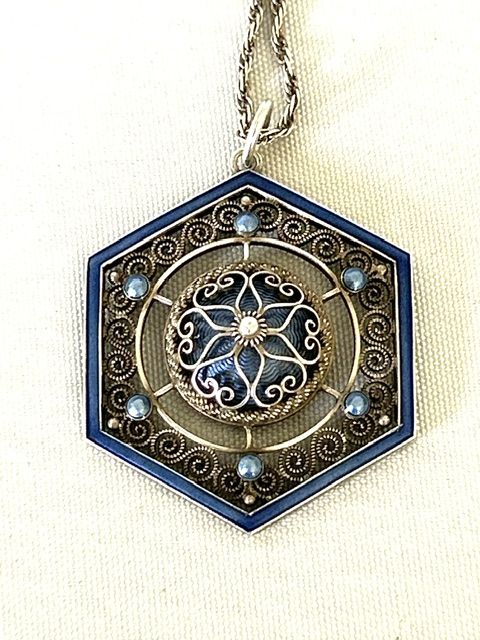
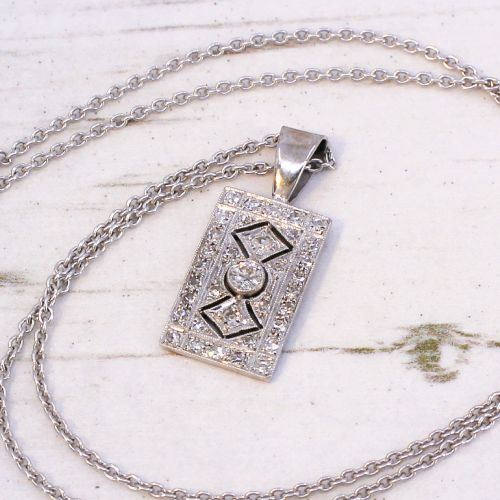
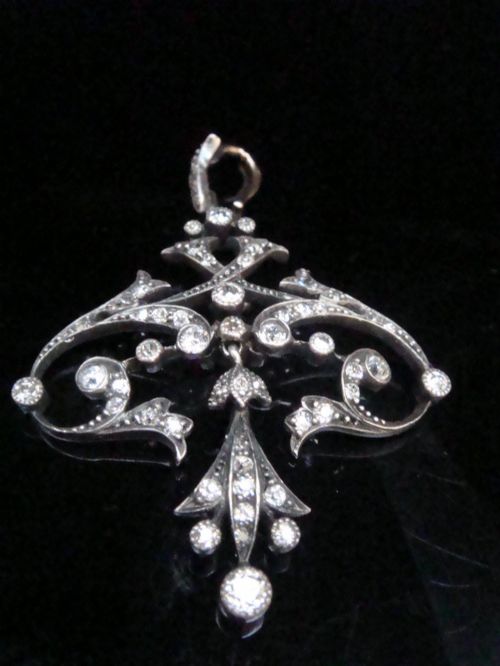
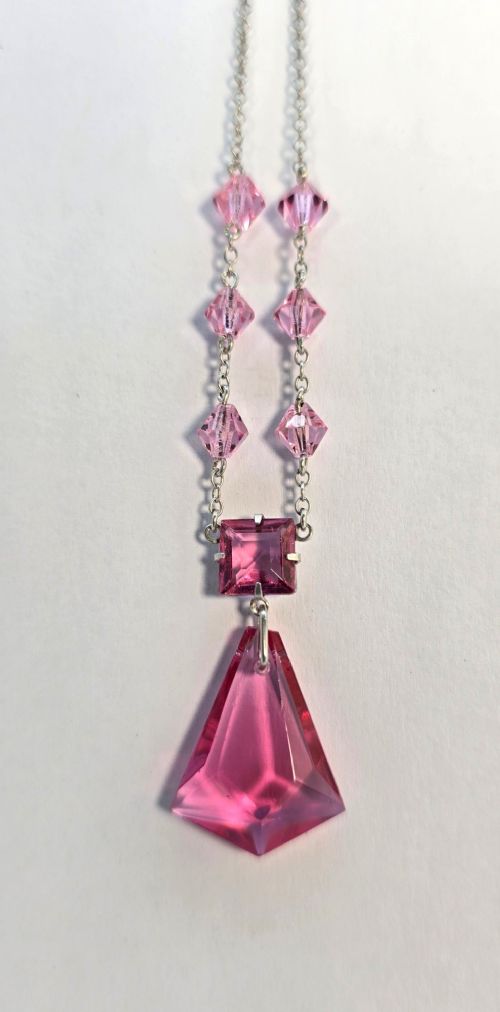
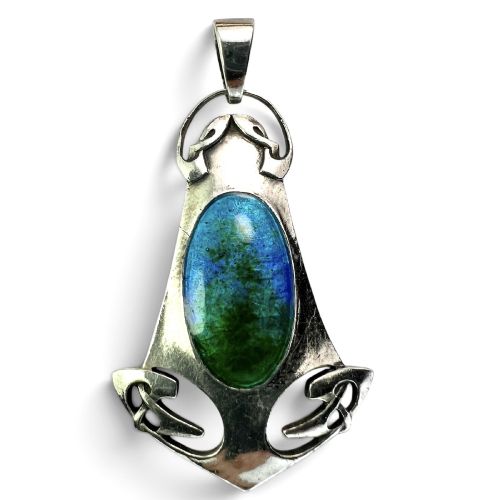
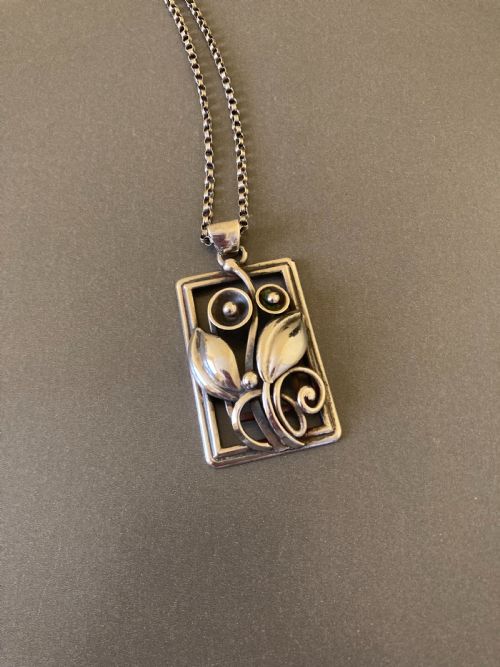
When you search for a silver pendant necklace, you encounter a diverse array of pieces spanning the Victorian era through the mid-twentieth century. The selection ranges from floral Art Nouveau enamel work to geometric Art Deco crystal designs and clean Scandinavian modernism.
The assortment includes regional specialisms, from British Arts and Crafts creations to Danish workshop pieces and Viennese enamels. These items reflect the shifting stylistic preferences of the nineteenth and twentieth centuries in wearable form.
Materials and Construction
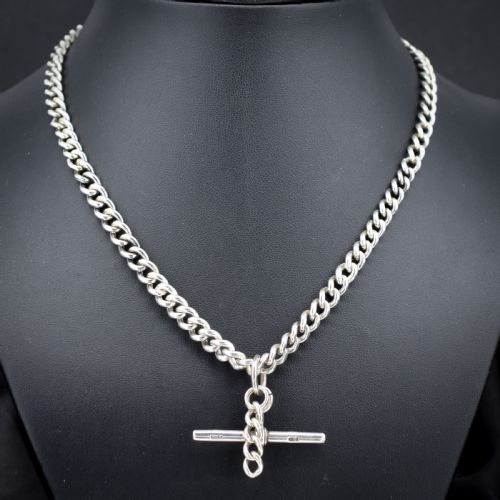
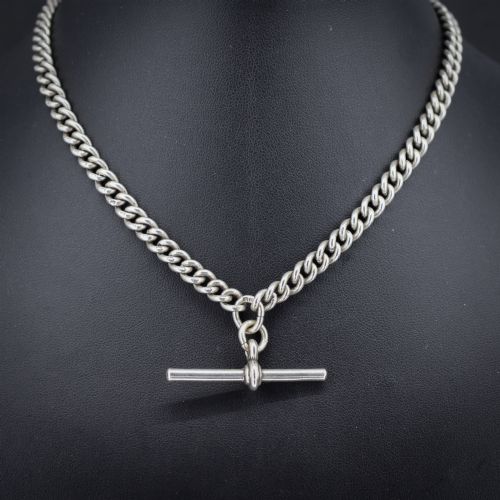
Makers utilised silver and sterling silver as the primary structural foundation, frequently combining the metal with gold, platinum, or gilt layers for contrasting detail. Chains were constructed using uniform curb links, dog clips, and t-bars.
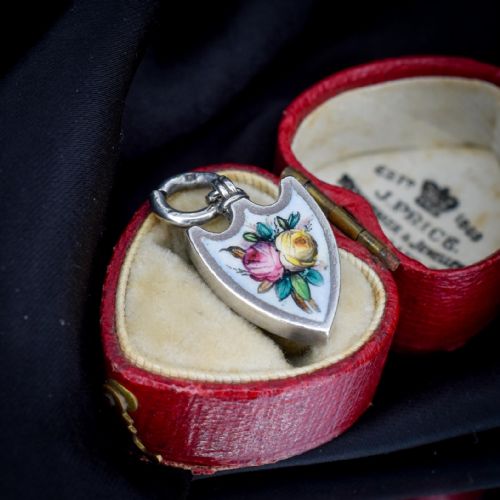
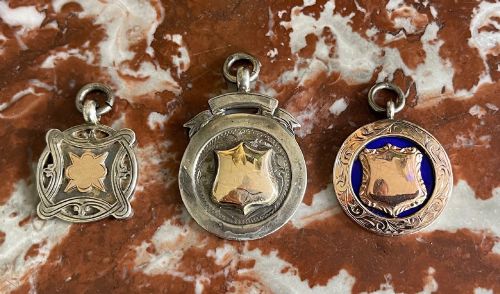
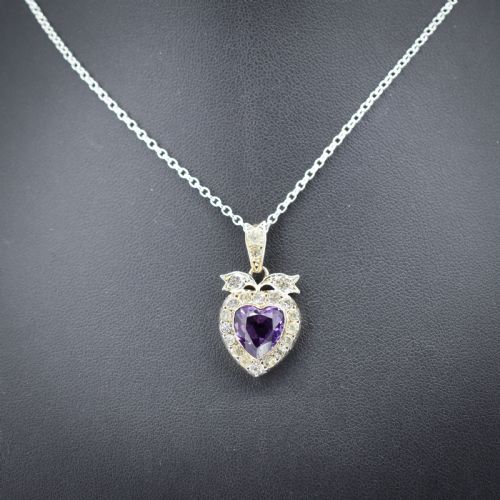
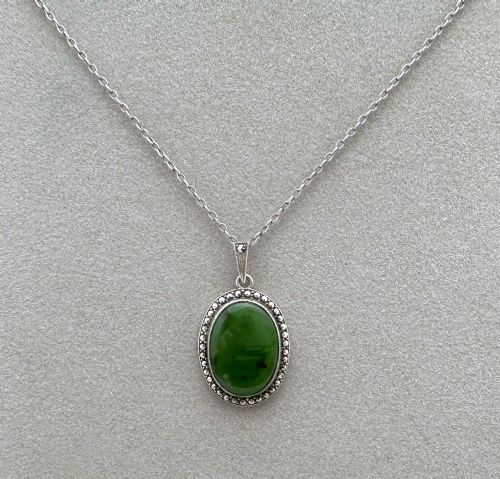
Surface decoration relied heavily on enamelling techniques, including guilloche, plique-a-jour, and painted floral motifs. Gemstones and organic materials such as diamond, pearl, amber, amethyst, chalcedony, and butterfly wing were hand-set into the mounts.
Silver Pendant Necklace Retail Price Guide 2026
Typical asking prices for silver pendant necklace among the pieces listed under this phrase on Sellingantiques today, from the lower quarter to the upper quarter. They describe what is for sale here now, not the wider market.
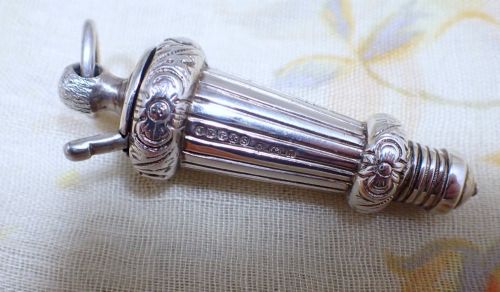
Several vintage silver necklaces conceal tiny working compasses or folding magnifying glasses inside decorative pendants.
Markers of Distinction
Quality rests in the precision of the metalwork and the integration of secondary materials like enamel and gemstones. Pieces featuring hand-cut crystals, finely graduated pearls, or intricate filigree display a higher tier of workshop execution.
Attribution to documented makers or specific regional movements elevates a piece beyond standard commercial output. Designer involvement, clear hallmarks, and undamaged enamel surfaces distinguish superior examples from ordinary production.
Marius Hammer·Archibald Knox·Murrle Bennett·Georg Jensen·Charles Horner·N E From
The Silver Pendant Necklace Glossary
- Pendant
- A decorative piece suspended from a necklace chain. It forms the central focal point of the jewellery.
- Locket
- A small hinged case designed to hold a miniature portrait or lock of hair. These often open to reveal double-sided compartments.
- Guilloche
- An ornamental pattern engraved into metal beneath a translucent enamel layer. This technique creates a distinctive wavy background texture.
- Plique-a-jour
- An enamelling technique resembling miniature stained glass without a backing. Light passes directly through the translucent coloured enamel cells.
- Paste
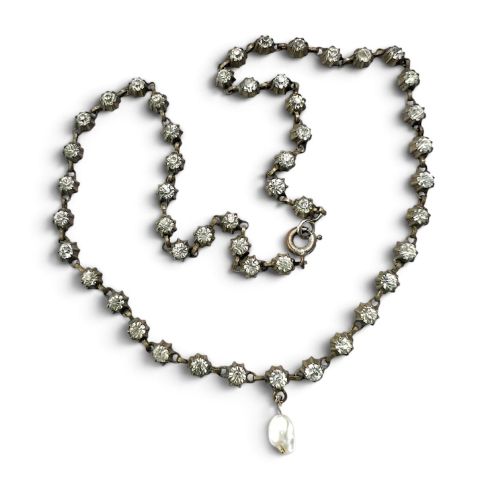
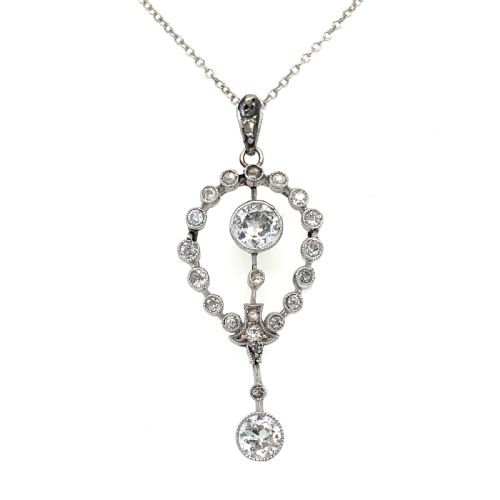
- Faceted glass used as a substitute for gemstones. Antique paste stones were hand-cut and foiled to increase brilliance.
Silver Pendant Necklace: Frequently Asked Questions
How do I date a silver pendant necklace?
Dating relies on stylistic markers such as the flowing organic lines of Art Nouveau or the clean geometric shapes of Art Deco. Hallmarks stamped onto the metal provide official assay office marks and date letters that pinpoint the exact year of manufacture.
Secondary clues include the type of chain, clasp mechanisms, and stone-setting techniques typical of specific decades. Comparing construction methods against known periods helps narrow down the timeframe.
What is an Albert chain?
An Albert chain is a sturdy link chain originally designed for pocket watches, featuring a t-bar at one end and a swivel clasp at the other. These heavy chains were adapted into necklaces during the Victorian and Edwardian periods.
Today, collectors wear these substantial silver chains with or without suspended pendants or lockets. Their robust curb links and dog clips offer a distinct industrial aesthetic.
How should I clean antique silver jewellery?
Silver jewellery benefits from gentle cleaning with a soft microfibre cloth to remove surface tarnish without harming fragile settings. Avoid harsh chemical dips, especially when dealing with pieces containing enamel, pearls, or soft gemstones.
Enamelled and foiled components require particular care to prevent moisture damage behind the stones. Professional cleaning is recommended for complex items with delicate structural elements.
What is the difference between Arts and Crafts and Art Nouveau?
Arts and Crafts pieces emphasise hand-hammered silver surfaces, cabochon stones like moonstone and chalcedony, and visible artisan craftsmanship. The style values honest construction over machine-made perfection.
Art Nouveau focuses on fluid, asymmetrical lines inspired by natural forms, frequently incorporating plique-a-jour enamel and delicate plant motifs. Both styles overlap chronologically around the turn of the twentieth century.