

Art Deco Style Jewellery
Art deco style jewellery brings together geometric precision and fine metals, offering a distinctive look that collectors seek out for daily wear.
Art Deco Style Jewellery
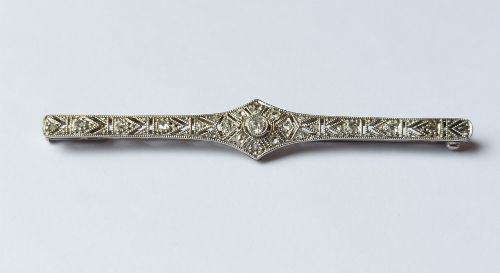
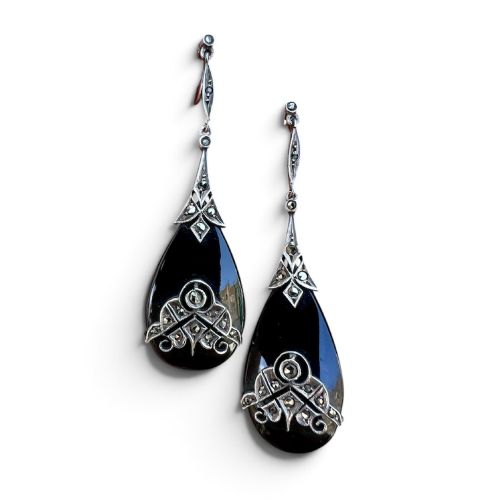
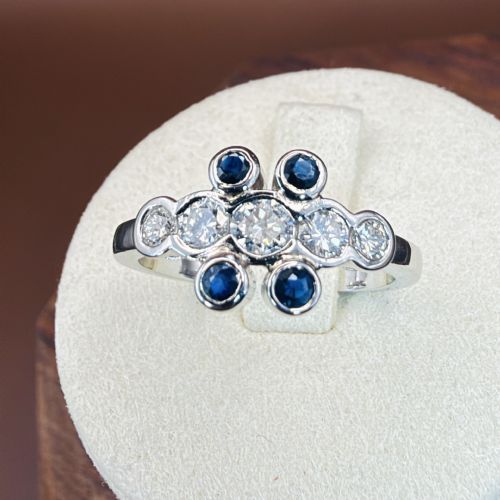
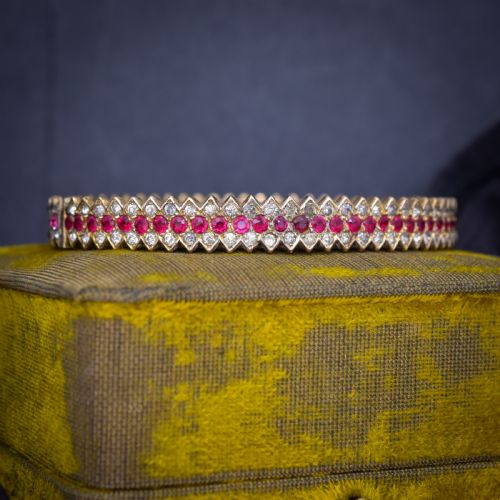
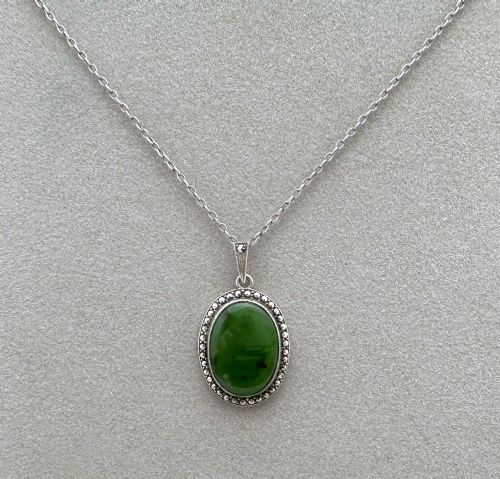
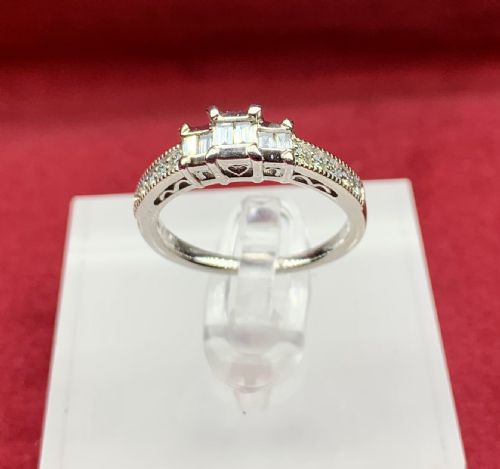
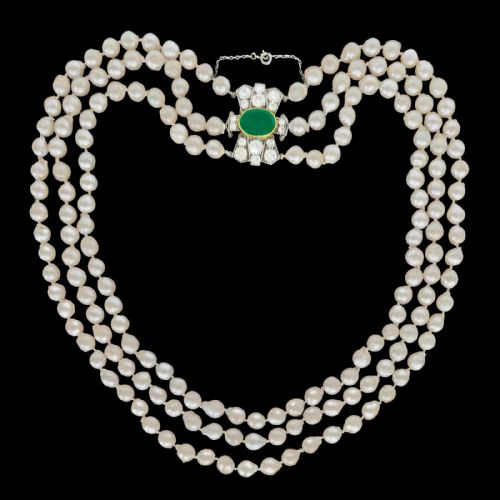
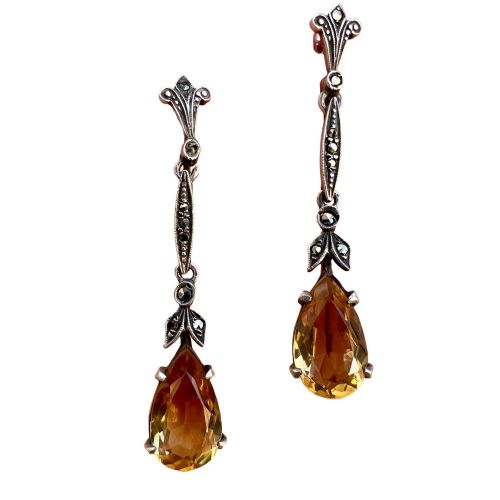
Art deco style jewellery encompasses rings, earrings, bracelets, necklaces, and brooches dating primarily from the 1920s and 1930s, alongside later revivals. Buyers searching for art deco style jewellery will find a diverse selection of pieces ranging from platinum diamond cluster rings to silver marcasite drop earrings.
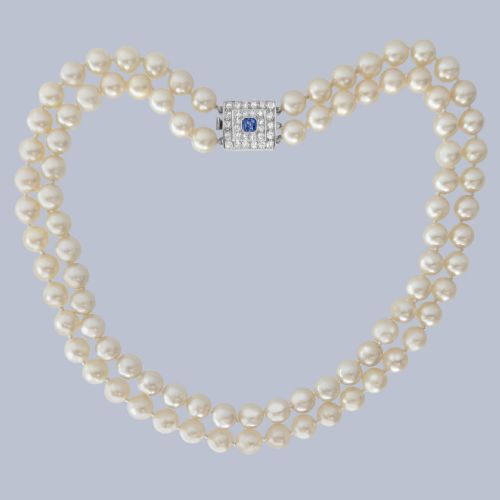
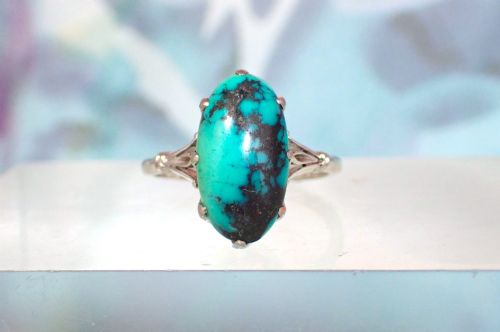
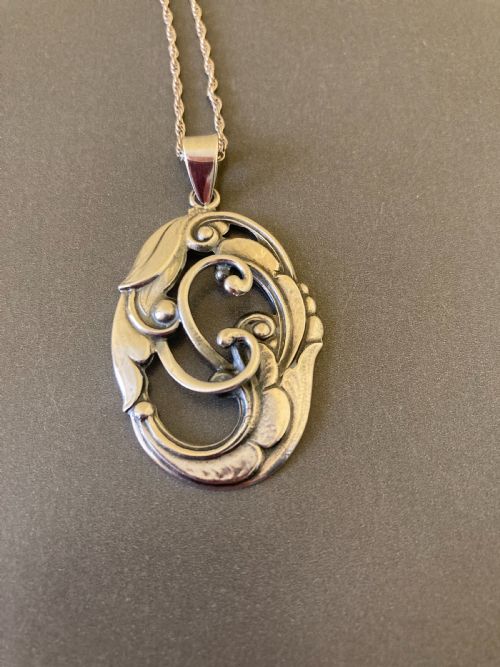
The objects span multiple forms, with rings and brooches forming a significant portion of the items alongside pearl necklaces with jewelled clasps and pendant designs. Pieces from the 1950s and 1960s also appear, demonstrating a continued fascination with geometric motifs long after the initial period closed.
Origin and period variety ensure that buyers encounter both authentic interwar pieces and later interpretations reflecting the enduring appeal of the style. Each category displays specific material combinations characteristic of its decade of production.
Materials and construction methods
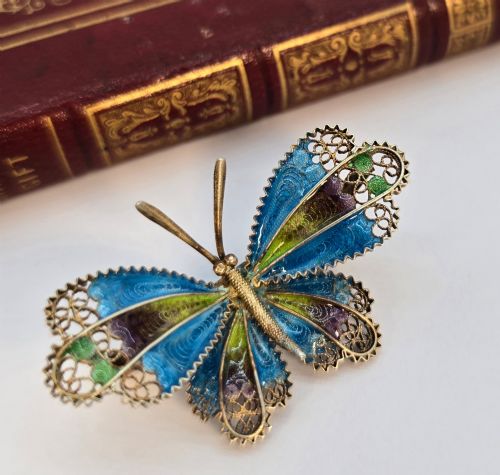
Platinum and 18ct white gold provide the structural foundation for many high-grade pieces, allowing for delicate settings that secure diamonds and sapphires with minimal visible metal. Silver and sterling silver appear frequently in lighter brooches, bangles, and earrings, often paired with marcasite or enamel.
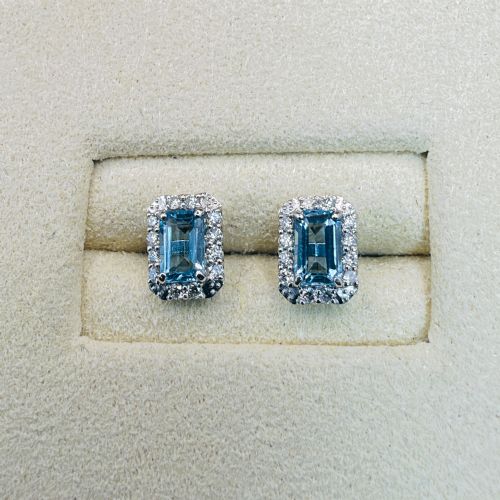
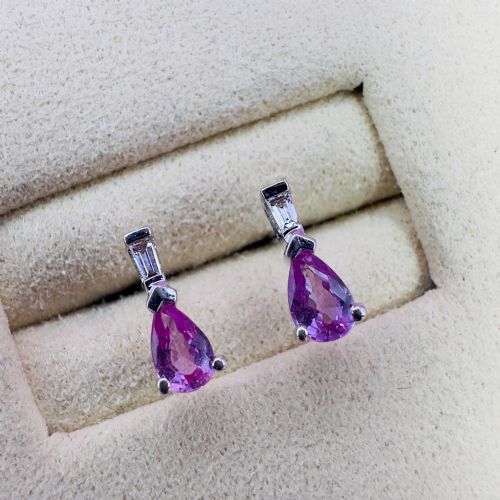
Lapidary techniques of the era favoured geometric cuts such as emerald, pear, and trapezoid shapes for gemstones like aquamarine, amethyst, and jade. Supplementary materials including mother of pearl, paste, and butterfly wing introduce distinct textures and saturated colour contrasts.
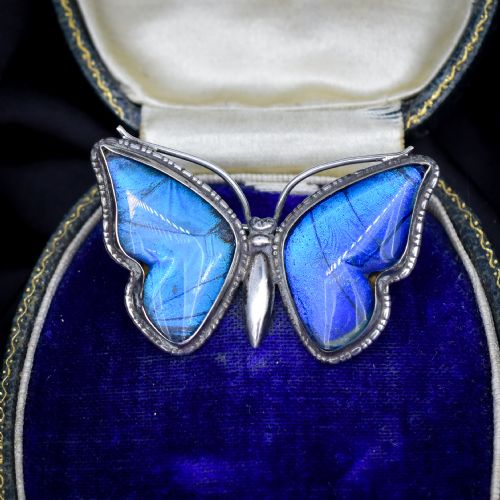
Several vintage brooches incorporate actual butterfly wings beneath glass, capturing natural iridescent blue in durable silver frames.
Distinctions in craftsmanship and materials
Quality separates pieces through the precision of stone cutting and the integrity of the metalwork, where hand-set platinum mountings demonstrate superior durability compared to simpler silver castings. The selection of unheated sapphires or well-matched old cut diamonds elevates an item above standard commercial productions of the same decade.
The complexity of the design and the preservation of original elements, such as certified pearls or intact enamel work, determine the standing of individual pieces within the market. Finer examples maintain crisp geometric lines and secure stone settings without signs of heavy subsequent alteration.
The Art Deco Style Jewellery Glossary
- Marcasite
- Pyrite crystals cut and polished into small facets, then set into silver mounts to produce a sparkling, steel-like brilliance popular in vintage pieces.
- Old cut diamond
- A diamond shaped with an older faceting pattern, typically featuring a smaller table and higher crown, common in items from the early twentieth century.
- Paste
- Hand-cut and polished glass designed to imitate gemstones, utilised extensively in decorative interwar bracelets and brooches.
- Platinum
- A dense, strong white metal favoured in the interwar period for securing diamonds securely with very fine claws.
- Chrysoprase
- A gemstone variety of chalcedony containing nickel, displaying an apple-green colour frequently set into silver during the 1920s and 1930s.
Art Deco Style Jewellery: Frequently Asked Questions
How do I identify genuine interwar pieces?
Authentic items from the 1920s and 1930s typically display characteristic construction methods such as platinum settings, old cut diamonds, and specific clasp mechanisms. Hallmarks and assay office reports further assist in confirming the period of manufacture.
Examining the reverse of a piece often reveals hand-pierced gallery work and construction details distinct from later mass-produced replicas.
Can I wear these rings every day?
Many platinum and gold rings from this era are robust enough for daily wear, provided the stone settings remain secure and the metal has not thinned. Regular inspection by a jeweller helps maintain the integrity of older claws.
Delicate silver and marcasite pieces or items containing softer stones like jade require more careful handling to prevent damage.
What is the difference between original and revival pieces?
Original pieces were manufactured during the height of the movement in the 1920s and 1930s, reflecting the contemporary fashions and technical capabilities of those decades. Revival items date from subsequent decades such as the 1950s or 1960s, applying the same design vocabulary to later manufacturing standards.
Both categories hold distinct appeal for collectors depending on whether they seek period authenticity or mid-century interpretations.
How should I store my vintage jewellery?
Store each piece separately in a lined box or pouch to prevent softer stones and metals from scratching against one another. Keeping items away from direct sunlight and moisture protects vulnerable materials like pearls and enamel.
Regular cleaning with appropriate soft cloths maintains the surface finish of silver and gold without abrasive wear.