


Silver Paste Brooch
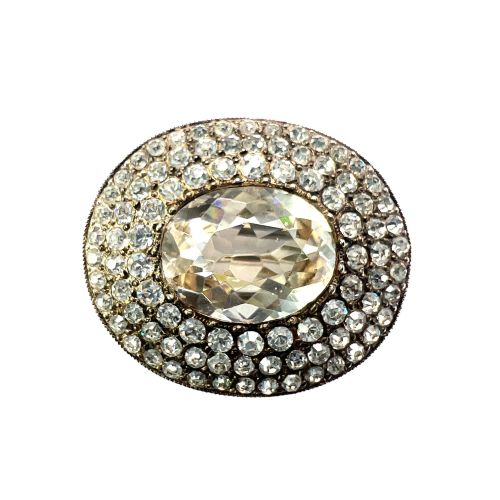
A silver paste brooch brings together hand-set glass stones and precious metal to catch the light just like diamonds do.
Silver Paste Brooch
A silver paste brooch relies on high-lead glass cut by hand to imitate diamonds and coloured gems, mounted in silver or silver gilt. When searching for a silver paste brooch, the buyer encounters various forms spanning centuries of design.
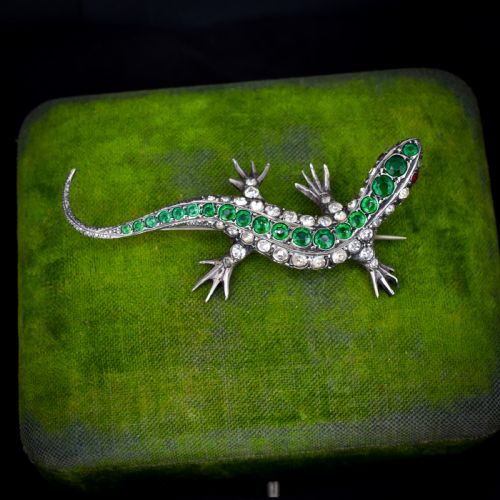
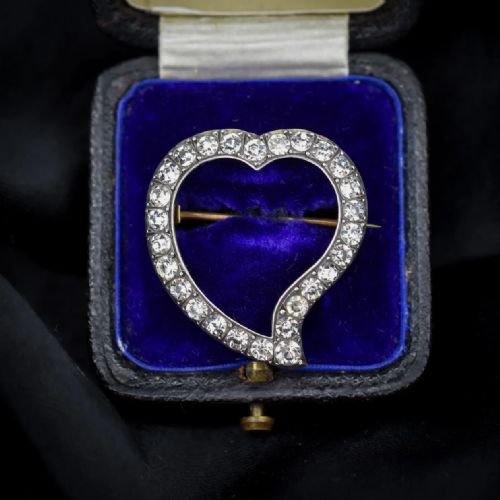
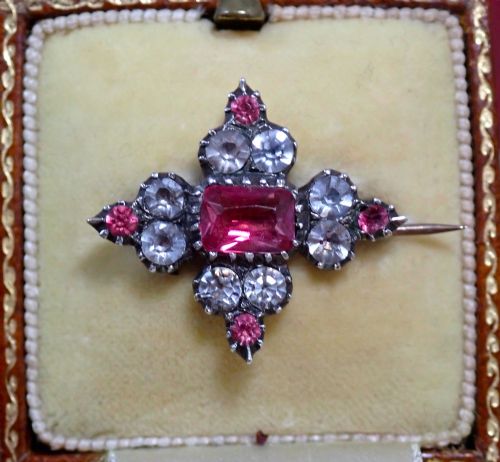
The Victorian era supplies many pieces, often taking the shape of flowers, crescents, lizards, and hearts. These examples utilise foiled and old-cut stones set securely in silver, sometimes combined with gold.
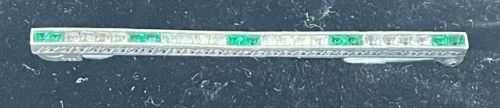
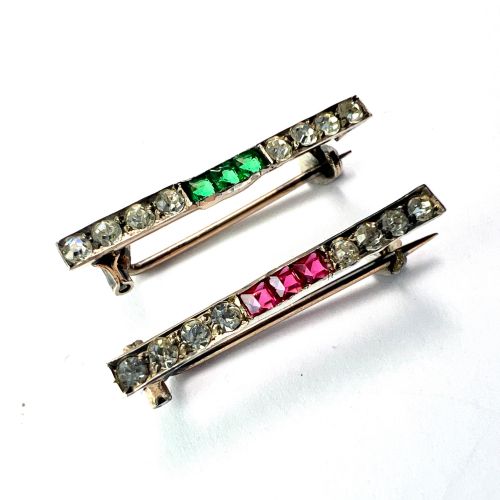
Art Deco examples bring geometric lines, bar shapes, and flexible duette clips into the selection. These pieces frequently showcase emerald, ruby, or sapphire coloured glass alongside clear faux diamonds.
Materials and Construction
Makers shaped glass by hand and polished each stone to mimic the facets of precious gems. Craftsmen often placed coloured foil behind the glass to deepen the hue and increase reflection.
Metalsmiths worked primarily in silver and sterling silver, occasionally applying gold or silver gilt to the surface for varied tone. Settings were closed-back in earlier periods before moving to open-backed mounts that let more light pass through the stones.
Silver Paste Brooch Retail Price Guide 2026
Typical asking prices for silver paste brooch among the pieces listed under this phrase on Sellingantiques today, from the lower quarter to the upper quarter. They describe what is for sale here now, not the wider market.
Lizards, birds, and insects climb across the selection, proving that past owners loved sparkling creatures just as much as formal floral wreaths.
Factors That Distinguish Examples
The precision of the stone-cutting and the regularity of the hand-settings define the finer pieces. Stones that remain tightly secured without movement demonstrate careful initial construction.
Design complexity also marks the range, with elaborate multi-stone floral baskets, birds, and articulated components requiring greater skill from the maker than simple bar mounts.
Charles Horner·CIRO·Knoll & Pregizer·John Barry
The Silver Paste Brooch Glossary
- Paste
- Hand-cut lead glass used to imitate gemstones. It is valued for its heavy weight and high refractive index.
- Giardinetti
- A small garden design showing a vase or basket filled with flowers. These pieces often feature mixed-colour stones.
- Duette
- A versatile jewel that splits into two separate dress clips or joins together via a frame to form a brooch. This mechanism appeared frequently in the Art Deco period.
- Black dot paste
- An 18th-century technique where a tiny dark spot was painted on the back of the stone to imitate the culet of a real diamond.
- Silver gilt
- Silver that has been coated with a thin layer of gold. This finish gives the metal a warm, rich tone.
Silver Paste Brooch: Frequently Asked Questions
How do I clean a silver paste brooch?
Use a dry microfibre cloth to wipe the metal and stones gently. Avoid submerging foiled pieces in liquid, as moisture damages the reflective backing behind the glass.
Keep harsh chemical dips away from antique mounts to preserve the integrity of the silver and the secure placement of the stones.
Were paste brooches worn as real jewellery?
Wealthy individuals historically wore paste alongside genuine diamonds for travel or evening events to deter theft. The craftsmanship matched fine jewellery standards of the time.
These pieces held independent status as artistic accessories rather than mere imitations, appreciated for their intricate designs and brilliance.
How can I tell a Georgian paste brooch from a Victorian one?
Georgian pieces often feature closed-back settings where the metal completely encloses the reverse of the stone. Black dot inclusions also point toward this earlier era.
Victorian versions frequently introduce naturalistic motifs like snakes, birds, and flowers, often employing open-backed settings that let light pass directly through the glass.
What does a duette brooch do?
A duette consists of two matching dress clips locked onto a central frame to form a single brooch. The wearer can separate the mechanism to decorate jacket lapels or necklines independently.
This clever engineering became popular during the Art Deco period, offering multiple ways to style one piece of jewellery.