



Silver Nut Bowl
A silver nut bowl is a small, versatile dish designed for serving nibbles, combining practical tableware with fine metalwork.

Silver Nut Bowl
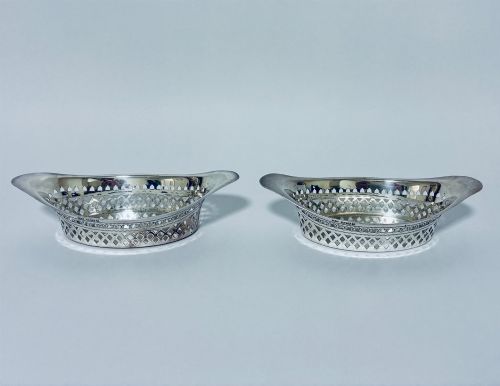
A silver nut bowl is a decorative vessel intended for presenting nuts and sweetmeats at the table. These pieces range from simple trinket dishes to elaborate table centrepieces designed for entertaining.
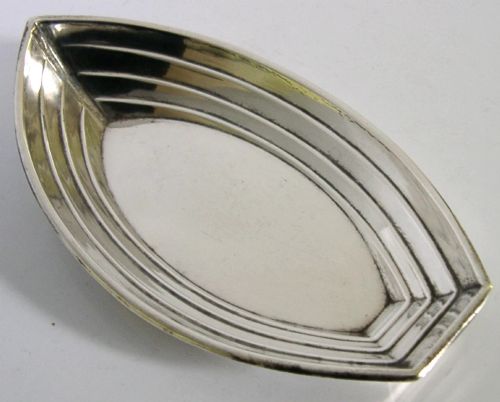
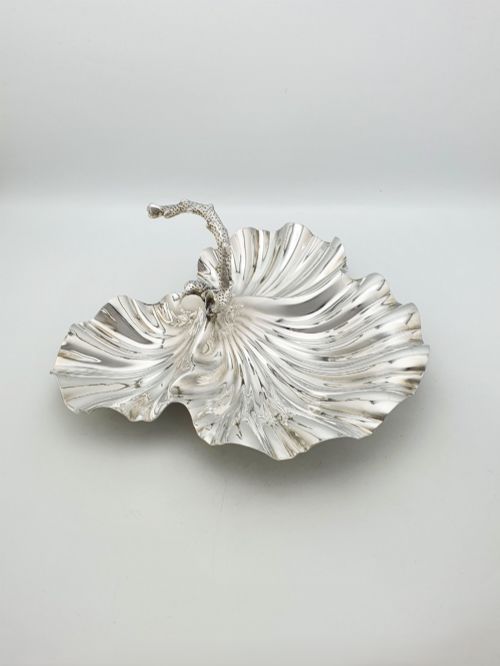
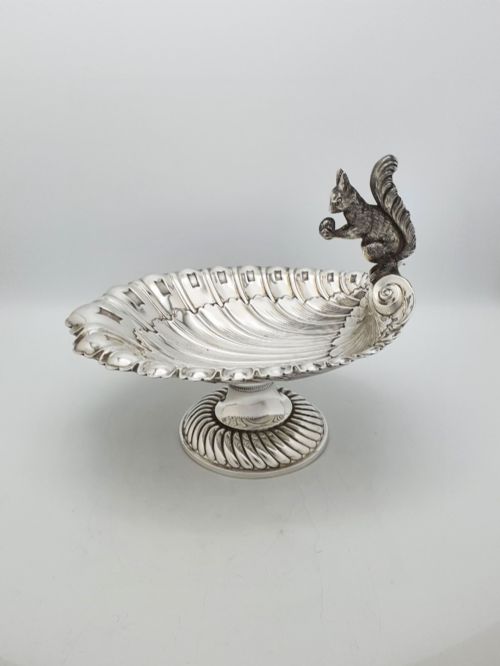
The silver nut bowl appears in various forms across different eras, including shell shapes, leaf designs, and nautical motifs such as Viking longships. Examples also feature applied decoration, swing handles, and specialised figural mounts like squirrels.
The selection includes pieces created during the Victorian, Edwardian, and George V periods, alongside items from the nineteen-thirties and nineteen-forties. Materials span solid sterling silver and silver plate.
How they were made
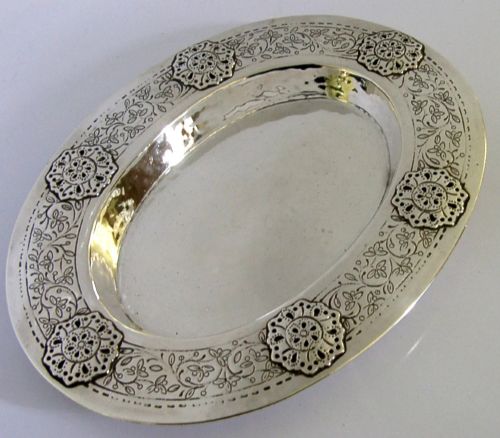
Silversmiths utilised traditional manufacturing techniques such as hammering, casting, and repoussé work to shape sterling silver and silver plate. These methods allowed craftsmen to create intricate surface textures, hollow forms, and detailed figural elements like squirrels and longships.
Many items incorporate applied decoration, sturdy swing handles, and custom bases soldered to the main bowl body. Hallmarks and maker marks were stamped directly into the metal to record the standard of silver and the year of production.
Silver Nut Bowl Retail Price Guide 2026
Typical asking prices for silver nut bowl among the pieces listed under this phrase on Sellingantiques today, from the lower quarter to the upper quarter. They describe what is for sale here now, not the wider market.
Squirrels appear remarkably often perched on the rims of Edwardian nut bowls, apparently poised to inspect the snacks.
What varies in quality
Quality in a silver nut bowl rests upon the heaviness of the metal gauge and the crispness of the chasing or repoussé work. Pieces with substantial weight and sharp, hand-finished detailing demonstrate superior craftsmanship compared to lighter, mass-produced alternatives.
The distinction between solid sterling silver and silver plate alters the longevity and tactile experience of the object. Maker attribution also plays a role, with established workshops providing finer execution in hinges, handles, and figural mounts.
A E Jones·Mappin & Webb
The Silver Nut Bowl Glossary
- Repoussé
- A metalworking technique where the artisan hammers the metal from the reverse side to form a raised design on the front. This process creates tactile, three-dimensional surface patterns.
- Sterling silver
- An alloy consisting of ninety-two point five percent silver and seven point five percent other metals, usually copper. This standard ensures durability while maintaining a bright metallic lustre.
- Silver plate
- A base metal object coated with a thin layer of pure silver through electroplating or older mechanical methods. It offers the appearance of solid silver at a different weight and cost.
- Swing handle
- A movable arch of metal attached to the sides of a bowl by pivot pins. This feature allows the handle to fold flat against the rim or stand upright for serving.
- Bonbon dish
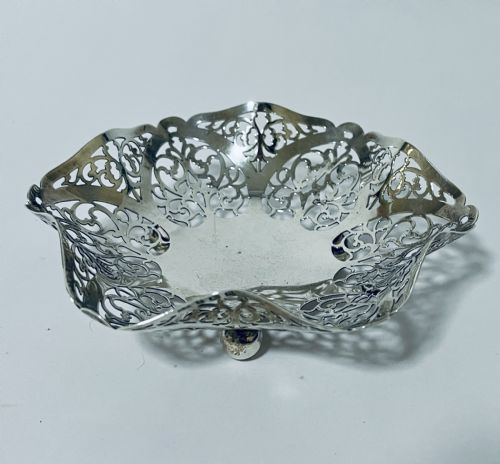
- A small vessel traditionally used for holding sweets, small fruits, or nuts. These dishes often feature decorative pierced work or shallow bowls.
Silver Nut Bowl: Frequently Asked Questions
What were silver nut bowls used for?
These bowls served primarily to present nuts, sweets, and small nibbles during formal dining and drawing-room gatherings. They functioned as accessible tabletop containers for guests.
Over time, their uses expanded into general decorative dishes and trinket holders for dressing tables. Their manageable size made them versatile accessories in period domestic spaces.
How do I clean a silver nut bowl?
Cleaning requires a soft microfiber cloth and a dedicated silver polish formulated to remove tarnish without abrading the metal surface. Gentle circular motions preserve any fine repoussé details.
Avoid harsh chemical dips that can strip dark antiquing from recessed areas. Rinsing the bowl in warm soapy water after polishing removes any residual paste.
Are these bowls made of solid silver?
The inventory includes both solid sterling silver and silver plate options. Hallmarks stamped directly into the metal usually indicate solid silver content.
Items described as silver plate consist of a base metal core covered by a thin layer of silver. Examining the edges and base often reveals the underlying metal if the plating has worn.
How can I date an antique silver nut bowl?
Dating relies heavily on official hallmarks stamped by assay offices, which include date letters corresponding to specific years of manufacture. Stylistic cues also provide clear chronological markers.
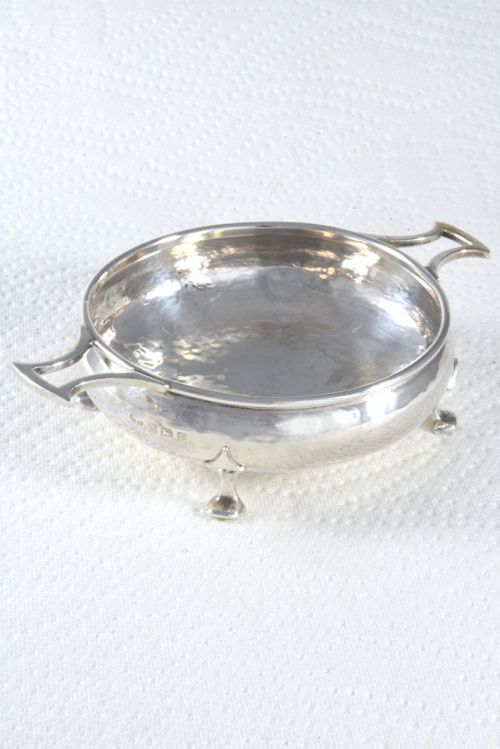
For instance, pieces featuring specific animal motifs like squirrels often align with the Edwardian era. Arts and Crafts examples display hand-hammered surfaces characteristic of that movement.