

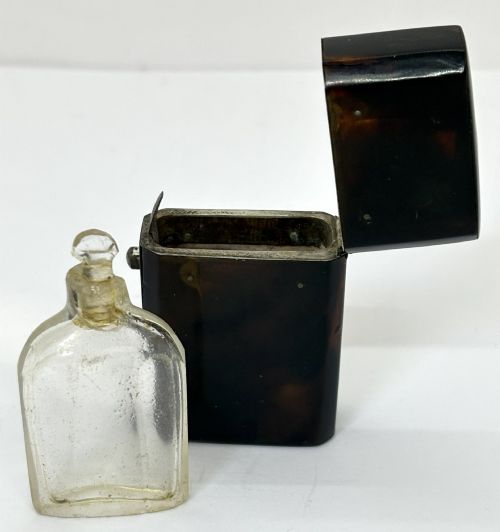


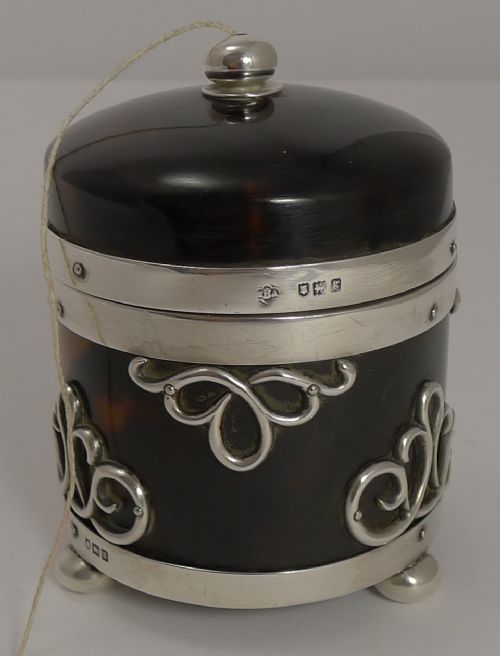


Silver Mounted Tortoiseshell Box
A silver mounted tortoiseshell box brings together organic warmth and bright metalwork, prized for its tactile finish and refined presence.
Silver Mounted Tortoiseshell Box
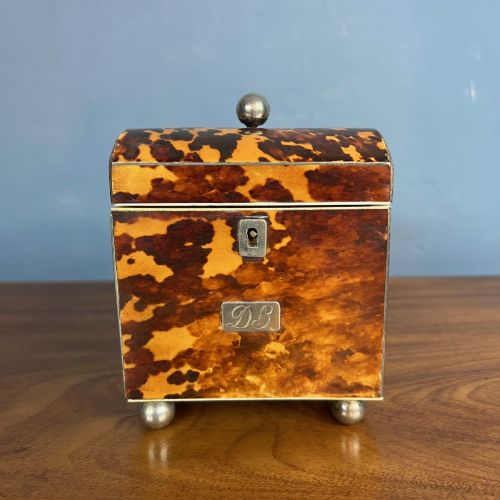
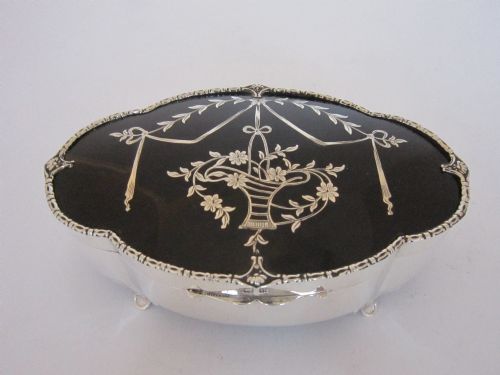
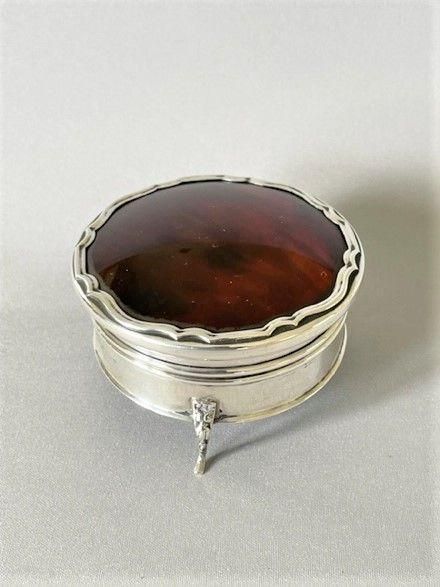
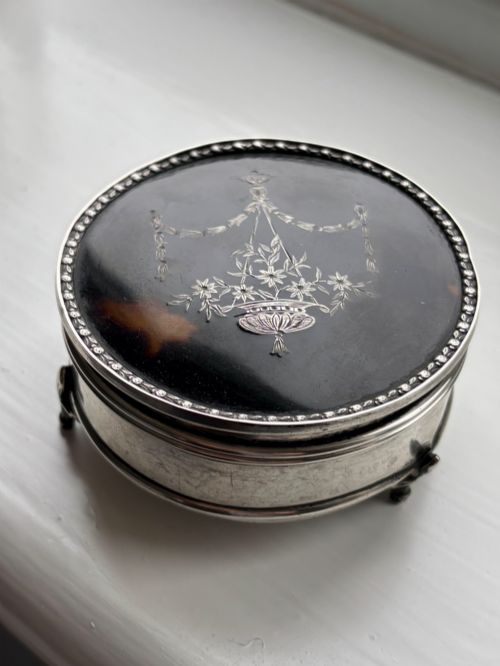
A silver mounted tortoiseshell box combines rich mottled shell with gleaming metal mounts, forming compact containers for personal use. Buyers frequently encounter tea caddies, snuff boxes, dressing table containers, and jewellery boxes among these selections.
The objects span multiple eras from the eighteenth century through the Georgian and Regency periods into the Edwardian and George V years. Forms range from miniature tea vessels to large stationary containers and cut crystal vanity jars.
Origin points encompass English workshops alongside Dutch East Indies examples, showing varied construction methods across centuries. Each piece displays the distinctive amber and dark brown patterns inherent to the shell material.
Construction and Materials
Craftsmen shaped thin plates of tortoiseshell or faux tortoiseshell over wooden or metallic carcases, securing the organic material with precision. Sterling silver mounts, hinges, and edgings reinforced the corners and added structural definition to the delicate shell.
Interiors often featured lined compartments or fitted glass components, particularly in tea caddies and vanity jars designed for functional use. Metalsmiths worked sterling silver into decorative mounts and plaques, fastening them carefully to the exterior surfaces.
Silver Mounted Tortoiseshell Box Retail Price Guide 2026
Typical asking prices for silver mounted tortoiseshell box among the pieces listed under this phrase on Sellingantiques today, from the lower quarter to the upper quarter. They describe what is for sale here now, not the wider market.
One tiny Regency tea caddy measures small enough to sit in the palm of your hand yet holds miniature compartments.
Assessing Quality
Quality rests upon the natural clarity and colour variation of the shell, with blonde and richly patterned specimens commanding attention. The precision of the silver mounts and the tightness of the joinery distinguish superior examples from simpler pieces.
Proportion and form dictate the distinction between standard utilitarian items and masterworks of the cabinetmaker's art. Preservation of the original shell panels without extensive patching marks the difference in condition.
Ollivant & Botsford·Horton & Allday
The Silver Mounted Tortoiseshell Box Glossary
- Tortoiseshell
- A hard, translucent organic material derived from the shell of certain marine turtles, displaying rich amber and brown tones. It was widely utilised in luxury boxes and small decorative objects.
- Tea caddy
- A container designed to store tea leaves safely, often featuring internal compartments and a secure lid. Regency examples in this material frequently display elegant bow-fronted profiles.
- Sterling silver
- A silver alloy containing ninety-two point five percent pure silver by mass, chosen for durability and lustre in box mounts. Makers applied it to edges, shields, and hinges.
- Snuff box
- A small pocket or table container made for holding powdered tobacco, fitted with a tightly closing lid. These pieces often incorporate silver hinges and delicate interior linings.
- Faux tortoiseshell
- A simulated version of natural shell, created using alternative materials like treated horn or stained substances. It appeared in various decorative items during the early twentieth century.
Silver Mounted Tortoiseshell Box: Frequently Asked Questions
What is a silver mounted tortoiseshell box?
These pieces are small luxury containers formed from natural shell panels and reinforced with sterling silver mounts. They served functional roles on dressing tables and in reception rooms.
Craftsmen built them to hold tea, snuff, jewellery, or writing accessories, blending organic patterns with bright metallic accents. Their survival across centuries makes them desirable decorative items today.
How do I care for tortoiseshell?
Keep these items away from direct sunlight and excessive heat to prevent the organic material from warping or drying out. Gentle dusting with a soft, dry cloth is sufficient for routine maintenance.
Avoid using liquid cleaners or chemical polishes on the shell panels, as moisture can damage the underlying wood or adhesive. Treat the silver mounts with standard care while avoiding contact with the surrounding shell.
How do I date an antique box?
Examine the silver hallmarks, structural style, and construction methods to determine the likely period of manufacture. Georgian and Regency pieces often feature distinct cabinetmaking techniques and hand-cut mounts.
Twentieth-century examples, such as those from the George V era, typically display clear maker stamps and standardised metal components. Comparing the form to dated pieces in the archive helps narrow the timeline.
Were these boxes used for tea?
Tea caddies and miniature tea vessels were specifically constructed to store expensive tea leaves in secure, dry conditions. Interiors often included foil lining or divided wooden compartments to keep different leaves separate.
Wealthy households kept these containers in public rooms as symbols of status and hospitality. The addition of lockable silver mounts ensured the precious contents remained protected.