


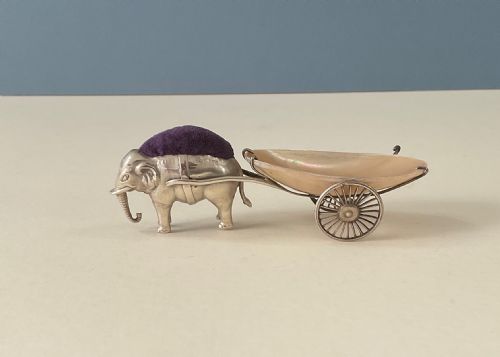


Silver Miniature Collectable
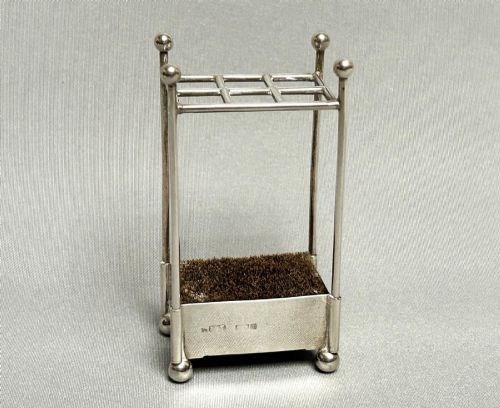
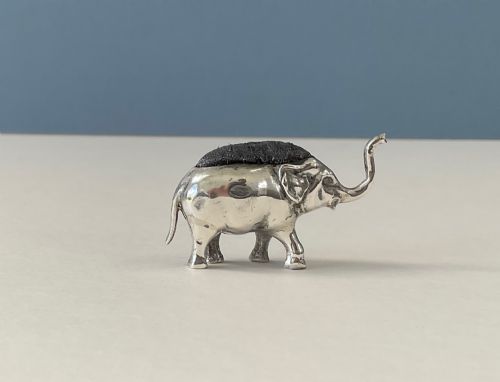
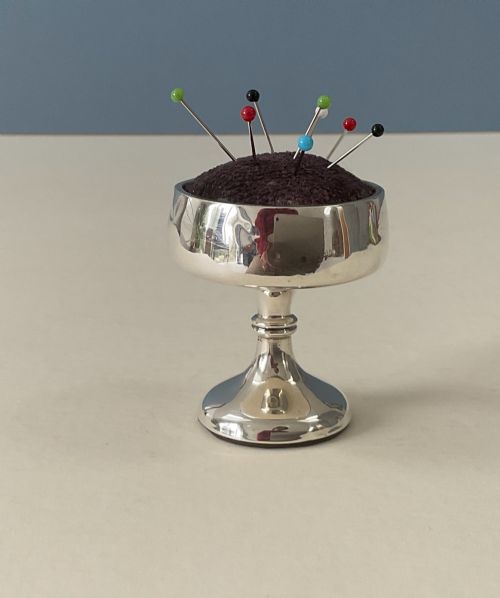
These silver miniature collectable pieces are charming cabinet curios and novelty pin cushions crafted in solid silver, offering wonderful intricate detail on a tiny scale.
Silver Miniature Collectable
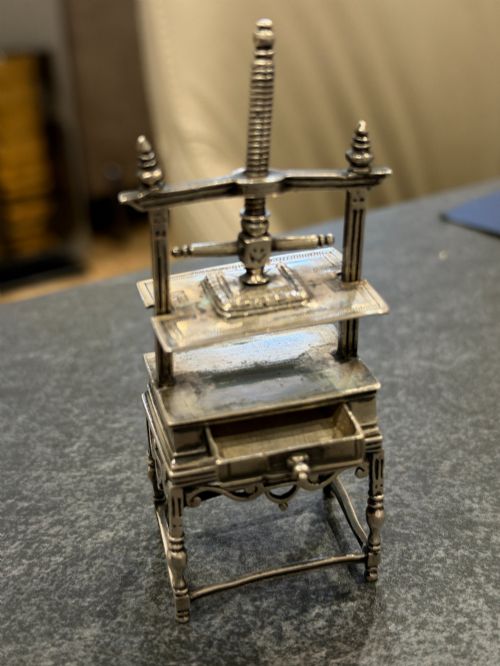
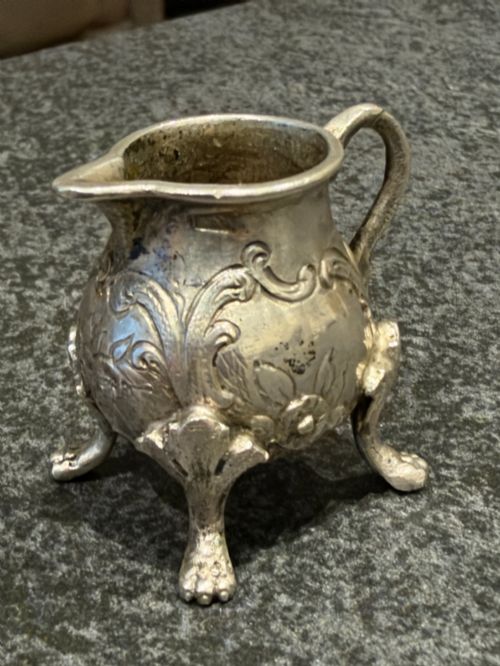
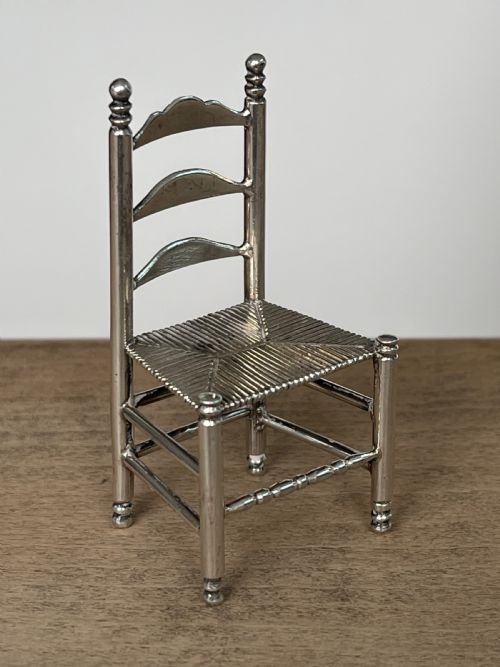
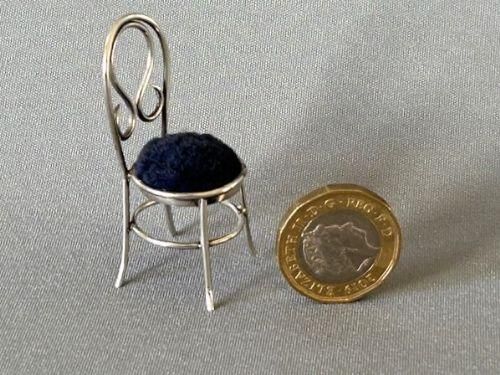
A silver miniature collectable encompasses everything from novelty pin cushions modelled as animals and furniture to tiny domestic vessels and models spanning the 18th century to the mid-20th century. You are most likely to encounter Edwardian novelty pin cushions shaped like birds and beasts, alongside Dutch silver miniature furniture and decorative ornaments.
The form stretches from Georgian and Victorian novelties through to Edwardian and later 20th-century novelty pieces, reflecting a Victorian and Edwardian obsession with diminutive silver objects. Makers utilised sterling silver, solid silver, and occasionally nickel or brass, frequently pairing the metal with velvet cushions.
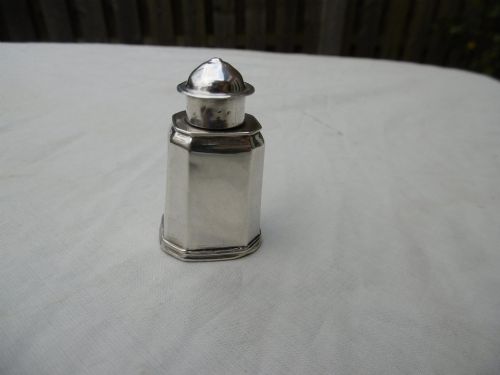
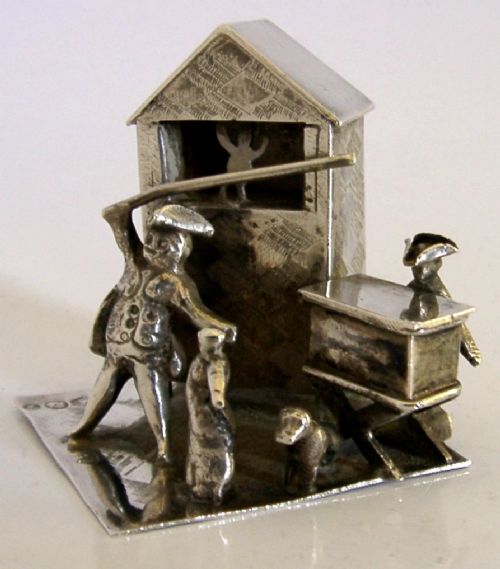
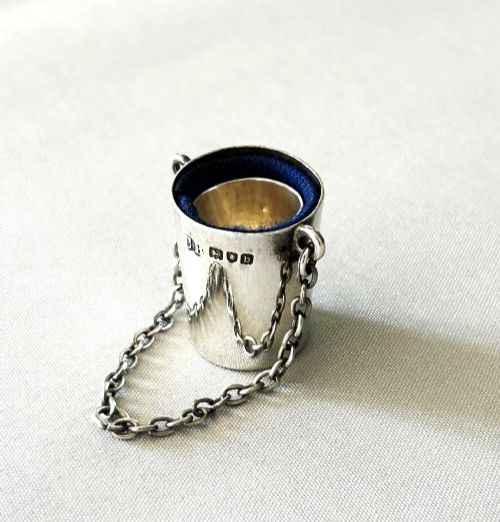
These items were designed primarily for display in cabinets or on dressing tables, combining whimsical charm with practical miniature utility. The variety ranges from miniature tea caddies and chocolate pot sets to Punch and Judy show models and salon chairs.
Materials and construction methods
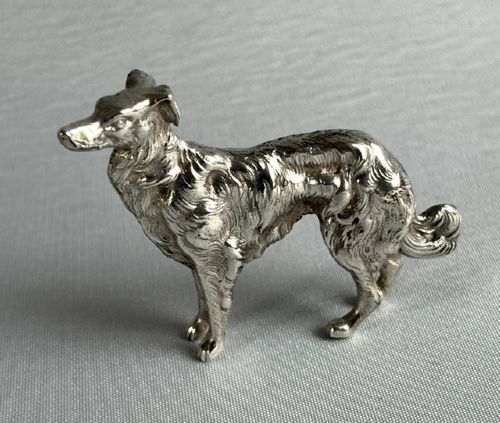
Silversmiths employed casting and detailed hand-working techniques to produce these diminutive objects in solid silver or sterling silver. Cast silver allows for deep relief and sculptural forms, seen in figures like wolfhounds, lions, and policemen.
Many items incorporate secondary materials to serve a specific function, notably velvet inserted into pin cushions within silver frames. Wooden elements and enamel finishings also appear on select presentation folding chairs and novelty pieces.
Silver Miniature Collectable Retail Price Guide 2026
Typical asking prices for silver miniature collectable among the pieces listed under this phrase on Sellingantiques today, from the lower quarter to the upper quarter. They describe what is for sale here now, not the wider market.
A tiny silver policeman stands ready to arrest your stray sewing needles in the most diminutive display of civic duty imaginable.
Assessing quality in miniature silver
The integrity of the original components also dictates worth, such as an intact velvet cushion within a pin cushion or a fully functioning miniature lid. Finer examples display meticulous attention to proportion and realistic textures that hold up under close inspection.
David Clayton·Berthold Muller
The Silver Miniature Collectable Glossary
- Pin Cushion
- A small domestic accessory designed to hold sewing pins, frequently fashioned into whimsical novelty animal shapes in Edwardian silver.
- Solid Silver
- Silver metal of a consistent composition throughout, distinct from plated wares. Most quality miniatures are marked as solid silver or sterling silver.
- Chasing
- A metalsmithing technique where the silver is worked from the front with hammers and punches to sink the metal and create surface relief. This method defines the decorative patterns on miniature furniture and vessels.
- Cast Silver
- Molten silver poured into a mould to create a three-dimensional sculptural form. This technique produces figures like dogs, lions, and human characters.
Silver Miniature Collectable: Frequently Asked Questions
What are silver miniature collectables?
These pieces are small-scale decorative items, novelty pin cushions, and miniature household objects made primarily from silver during the 18th, 19th, and 20th centuries.
They capture domestic life, animals, and furniture in minute detail, serving as cabinet display items rather than utilitarian tools.
How were silver pin cushions used?
Victorian and Edwardian households kept these tiny pin cushions on dressing tables and sewing desks to hold pins and needles securely.
The silver frames shaped like animals, boots, or furniture turned a mundane sewing accessory into an entertaining decorative ornament.
How do I date antique silver miniatures?
Dating relies on stylistic clues, historical context, and hallmarks stamped into the silver where applicable. Pieces from the Georgian and Victorian eras display heavier ornamentation, while Edwardian examples often lean towards whimsical novelty animal forms.
Maker marks and silver standards also help narrow down the decade of production.
How should I display silver miniatures?
Because of their small scale, these items look best in dedicated glass display cabinets or shallow wall shelves where light can catch the detailed silver work. Keeping them enclosed also helps minimise tarnishing and protects delicate velvet inserts.
Grouping pieces by theme, such as animal pin cushions or miniature furniture, creates a cohesive and engaging display.