





Silver Metal Bowl Handles
Silver metal bowl handles anchor serving vessels, baskets and porringers across several centuries, offering both structural strength and distinct decorative detail.
Silver Metal Bowl Handles
When you search for silver metal bowl handles, you encounter functional attachments and the vessels they serve, ranging from fruit baskets to porringers and champagne bowls. These fittings span periods from the early eighteenth century through to the Art Deco era.
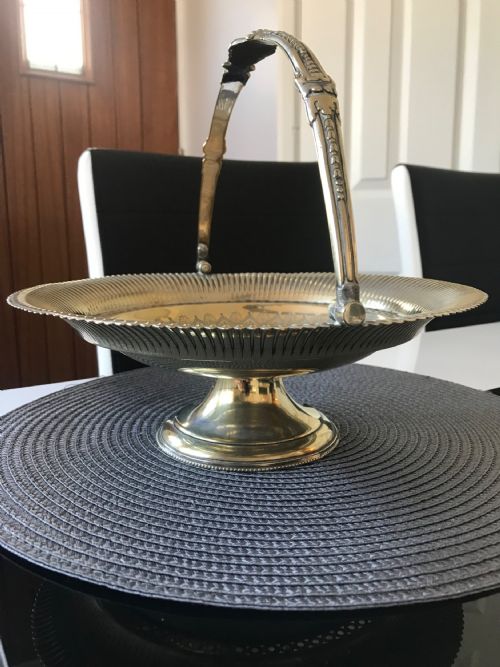
The most common form on this page is the basket or bowl fitted with a swing or loop handle, often rendered in silver plate or pewter. Such items include decorative fruit baskets, cake baskets, and restaurant champagne bowls.
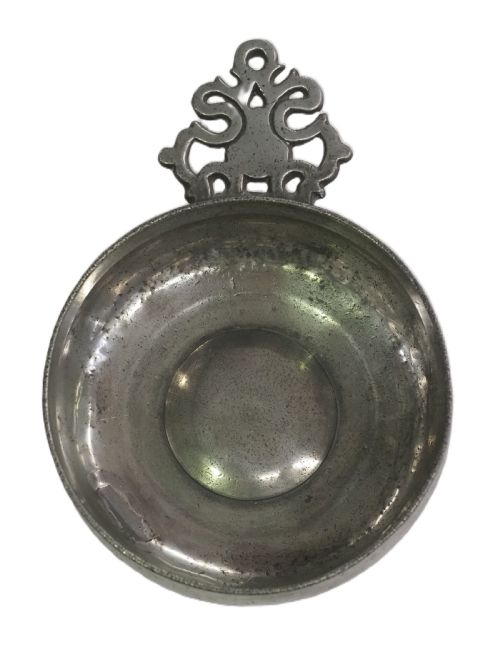
Early examples feature traditional porringer designs in pewter or sterling silver, while later twentieth-century pieces lean towards French Art Deco and modernist forms. Each item combines utilitarian metalwork with period-specific aesthetic choices.
How they were made
Metals such as pewter, sterling silver, and electroplated nickel silver form the primary body of these vessels, whilst secondary materials like wood, glass, and ebony occasionally appear in handles or trims. Pewter items often display hammered surfaces or cast construction.
Silver plating techniques apply a thin layer of precious metal over base metals like copper or brass, creating durable display items. Swing handles require sturdy hinge pins and brackets to bear the weight of the bowl or basket safely.
Silver Metal Bowl Handles Retail Price Guide 2026
Typical asking prices for silver metal bowl handles among the pieces listed under this phrase on Sellingantiques today, from the lower quarter to the upper quarter. They describe what is for sale here now, not the wider market.
Listings feature items from the seventeen hundreds through to the nineteen thirties, spanning pewter, sterling silver, and silver plate.
What varies in quality
The distinction between standard utility items and superior examples lies in the crispness of the metalwork and the integration of the handle with the bowl body. Heavier gauge metal provides better structural integrity for swing handles.
Artistic execution differentiates mass-produced wares from studio or designer pieces, where hand-beating or specialised surface patination enhances the decorative appeal. The retention of original plating without heavy base metal show-through defines the better-preserved items.
Archibold Knox·Liberty & Co·W M F
The Silver Metal Bowl Handles Glossary
- Porringer
- A small, shallow vessel with one or two flat horizontal handles, used originally for porage or broth. In later periods, these also functioned as christening bowls.
- Electroplated Nickel Silver
- A base metal alloy of copper, nickel, and zinc coated with a thin layer of silver through an electrolytic process. This method provided an affordable alternative to solid silver.
- Swing handle
- A movable, arched handle attached to the sides of a basket or bowl via pivots, allowing it to drop to the side when not in use. It appears frequently on cake and fruit baskets.
- Pewter
- A malleable metal alloy consisting primarily of tin, combined with copper, antimony, or bismuth. It provides a dull grey lustre suitable for hammered domestic wares.
- Tudric
- A trade name used by Liberty & Co for pewter wares produced during the early twentieth century. These designs often reflect Art Nouveau motifs.
Silver Metal Bowl Handles: Frequently Asked Questions
What were porringers used for?
Porringers served primarily as small eating bowls for liquids, broths, and soft foods in early households. Their characteristic flat handles made them easy to hold close or hang on a hook.
Over time, these vessels transitioned into decorative items or traditional christening gifts made of sterling silver. Their dual-handled or single-handled forms remain distinct indicators of seventeenth and early twentieth-century domestic life.
How do I care for silver plated baskets?
Silver plated baskets require gentle cleaning with a soft cloth and specialised silver polish to prevent wearing through the thin precious metal layer. Avoid abrasive cleaners that might scratch the underlying base metal.
Store these items in dry environments away from direct sunlight and humidity to minimise tarnish. Regular, light dusting preserves the finish better than infrequent, harsh scrubbing.
What is the difference between pewter and silver plate?
Pewter is a solid metal alloy composed mostly of tin, known for its soft, matte grey appearance and substantial weight. It does not possess the bright, reflective sheen associated with silver.
Silver plate involves a thin layer of pure silver bonded to a base metal core, such as brass or nickel silver. This technique offers the appearance of solid silver at a lower production cost.
How do I identify Art Deco pieces?
Art Deco pieces display geometric patterns, clean vertical lines, and stylized motifs characteristic of the 1920s and 1930s. They often utilise hammered pewter or sleek silver plate.
Unlike the flowing floral curves of earlier Art Nouveau designs, Art Deco emphasises symmetry and streamlined industrial forms. These stylistic cues help date serving dishes and fruit baskets accurately.