



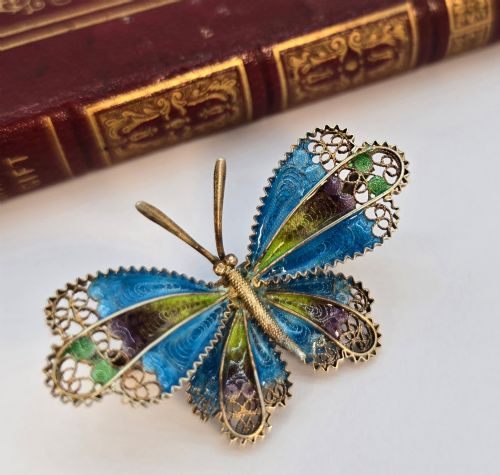
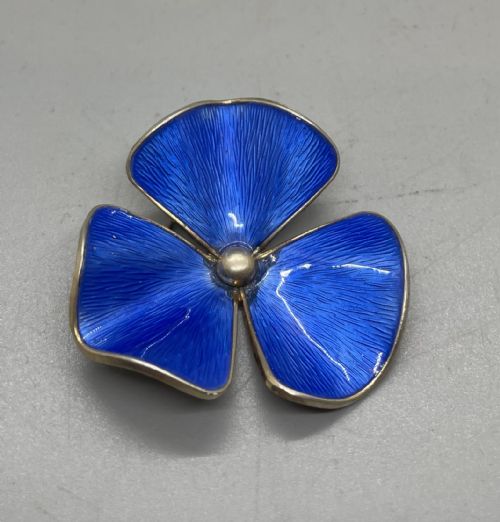
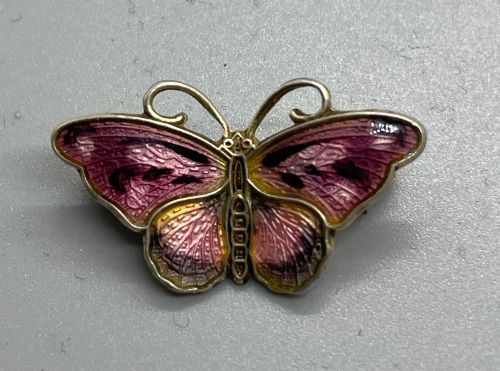
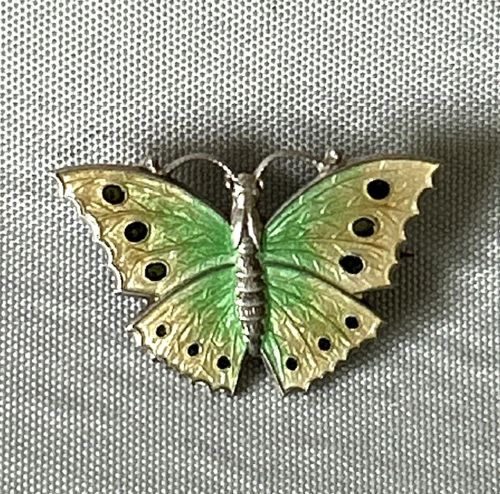
Silver Guilloche Enamel Pin
A silver guilloche enamel pin brings together machined metal patterns and translucent glass colour, offering a wearable piece of miniature art.
Silver Guilloche Enamel Pin
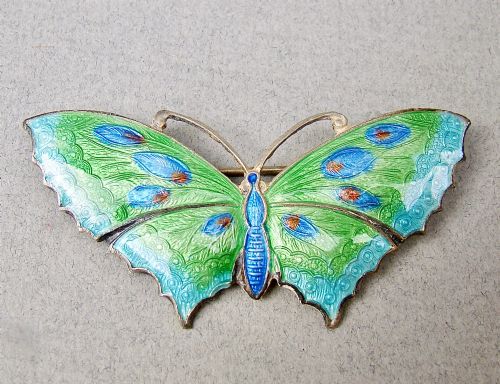
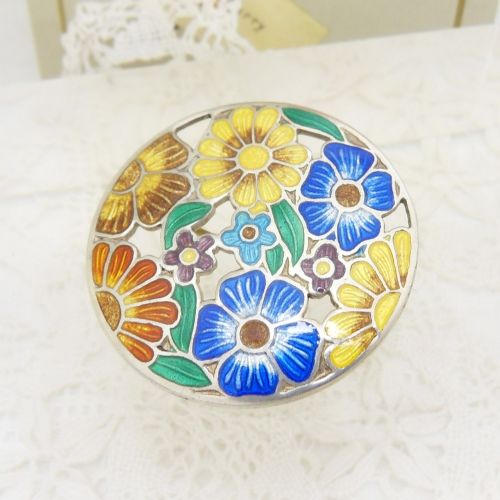
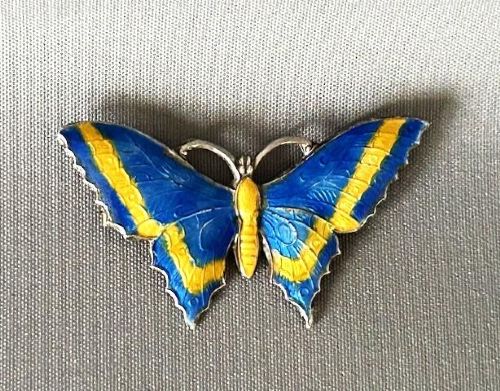
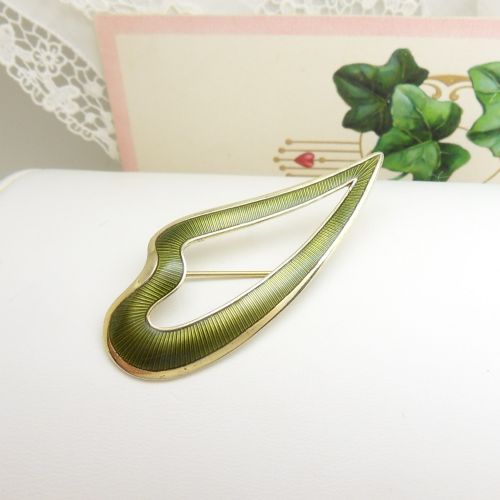
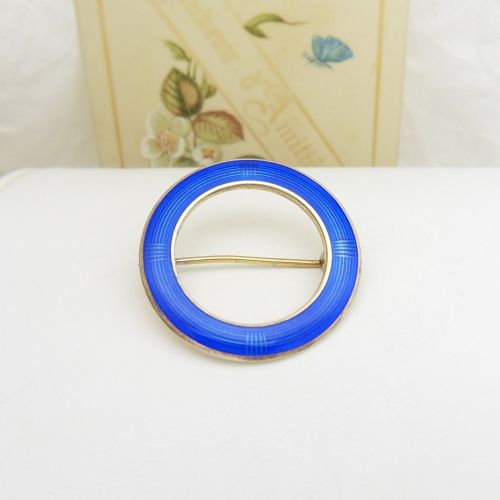
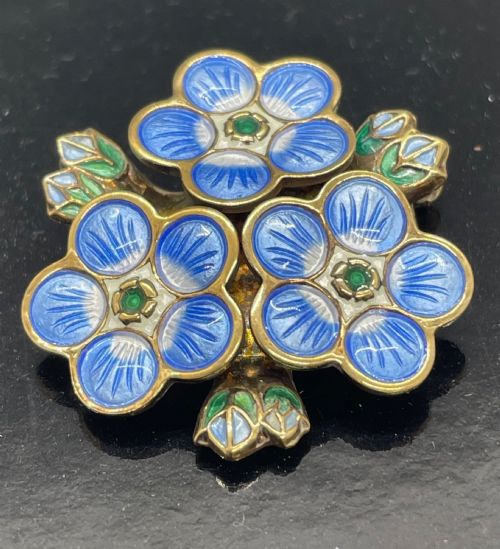
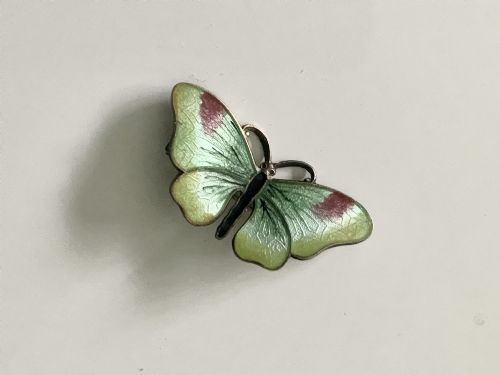
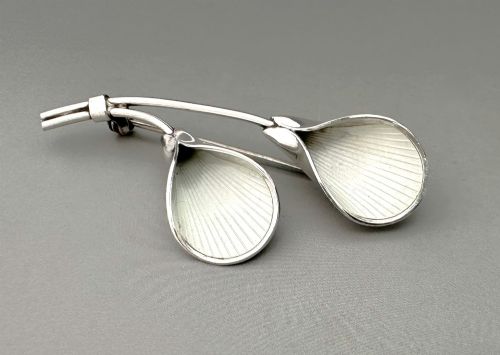
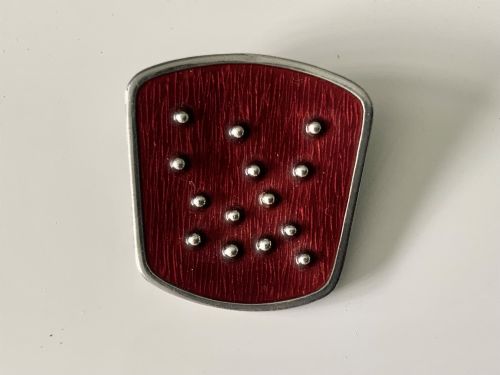
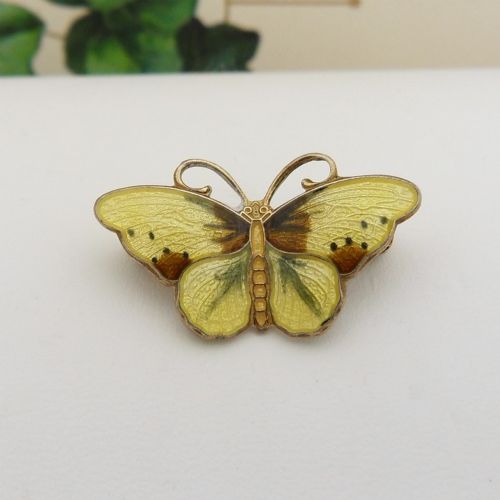
A silver guilloche enamel pin typically takes the form of a brooch shaped as a butterfly, a floral motif, or a geometric circle.
The pieces appearing on this page span several decades, ranging from Victorian and Edwardian examples to mid-century Scandinavian modern and Art Deco designs.
Most items function primarily as brooches, though the inventory also includes related silver and enamel accessories such as small trinket dishes.
Materials and construction methods
Silversmiths utilise sterling silver, silver gilt, and gold vermeil as the foundational metal base, occasionally incorporating marcasite accents.
Craftsmen engrave precise geometric patterns onto the metal surface using a lathe or mechanical engine, creating the underlying guilloche texture.
Vitreous enamel is applied over the engraved silver in translucent layers and fired at high temperatures to let the patterned metal shine through.
Silver Guilloche Enamel Pin Retail Price Guide 2026
Typical asking prices for silver guilloche enamel pin among the pieces listed under this phrase on Sellingantiques today, from the lower quarter to the upper quarter. They describe what is for sale here now, not the wider market.
Materials documented across the inventory include sterling silver, silver gilt, gold vermeil, marcasite, and vitreous enamel.
Assessing quality in enamelled silver
The clarity and depth of the translucent enamel determine much of the visual appeal, separating smooth, even coatings from uneven application.
The intricacy of the underlying machine-turned engraving dictates the sophistication of the piece, as finer lines catch the light with greater precision.
The retention of the original gold wash on silver gilt elements and the crispness of the casting or smithing shape define the overall standard.
A H Darby & Son·Aksel Holmsen·David Andersen·Hroar Prydz·Gustav Gaudernack
The Silver Guilloche Enamel Pin Glossary
- Guilloche
- A decorative technique where a mechanical device etches a precise, repeating geometric pattern into metal. This engine-turned texture forms the base beneath translucent enamel.
- Vitreous Enamel
- A material made by fusing powdered glass to a substrate by firing, usually between seven hundred and nine hundred degrees Celsius. It produces a durable, glossy coloured surface.
- Silver Gilt
- Silver that has been coated with a thin layer of gold. This finish provides a warm yellow tone while retaining a silver core.
- Marcasite
- Small, polished pyrite stones cut into facets and set into jewellery to provide metallic sparkle. These stones frequently accent silver and enamel frames.
- Sterling Silver
- An alloy of silver containing ninety-two point five percent by mass of silver and seven point five percent by mass of other metals. It serves as the primary structural metal for these pieces.
Silver Guilloche Enamel Pin: Frequently Asked Questions
What is guilloche enamel?
Guilloche enamel involves mechanical engraving on metal beneath a translucent layer of glass. The pattern shows through the colour to create a shimmering effect.
This technique was widely used across European workshops during the early and mid-twentieth century.
How do I date a silver enamel pin?
Dating relies on stylistic clues, hallmarks, and the specific types of motifs used. Art Deco and Edwardian pieces feature distinct forms compared to later Scandinavian modern designs.
Maker marks stamped onto the reverse often provide direct evidence of the origin decade and workshop.
How were these brooches worn?
These pins typically fastened to lapels, collars, hats, or heavy fabrics using a traditional pin stem and safety catch. Edwardian and Victorian versions often secured with a simple C-clasp.
Mid-century examples frequently feature rolling safety catches to keep the pin secure during daily wear.
What does silver gilt mean?
Silver gilt is solid silver covered with a thin plating of gold. This treatment creates the appearance of gold jewellery while using silver as the base metal.
Many Scandinavian workshops utilised this finish to contrast against brightly coloured vitreous enamel.