


Silver Floral Pendant
A silver floral pendant brings together botanical motifs and precious metal, offering enduring appeal for those seeking distinct period jewellery.
Silver Floral Pendant
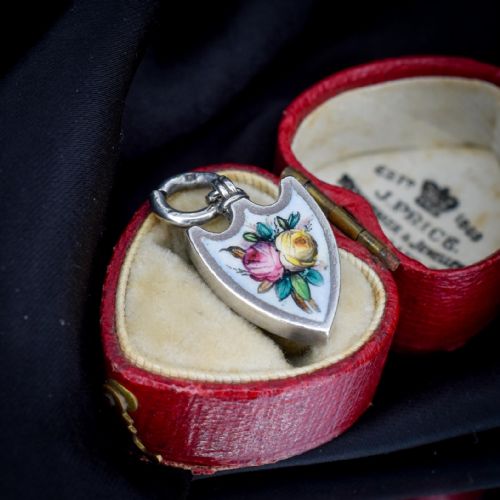
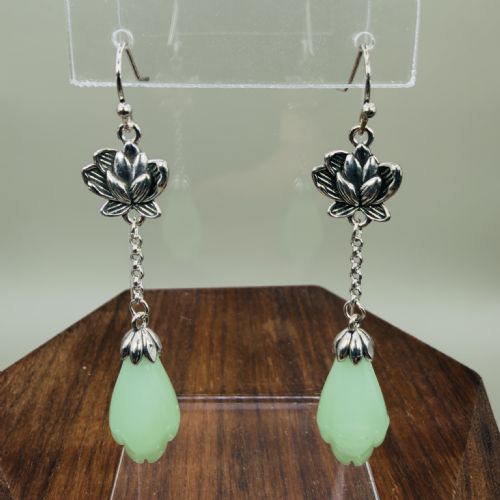
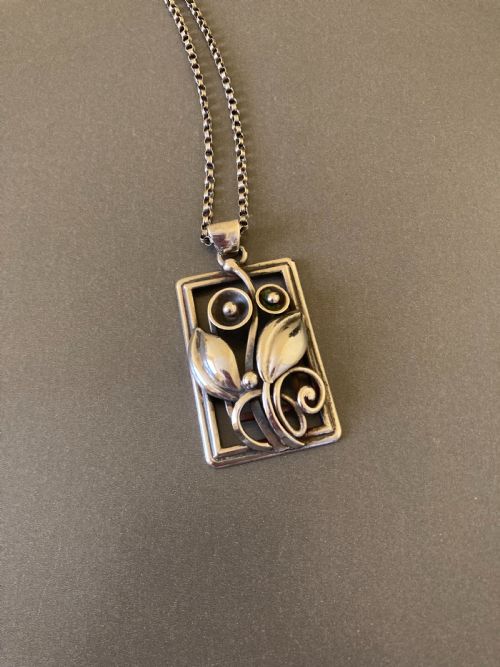
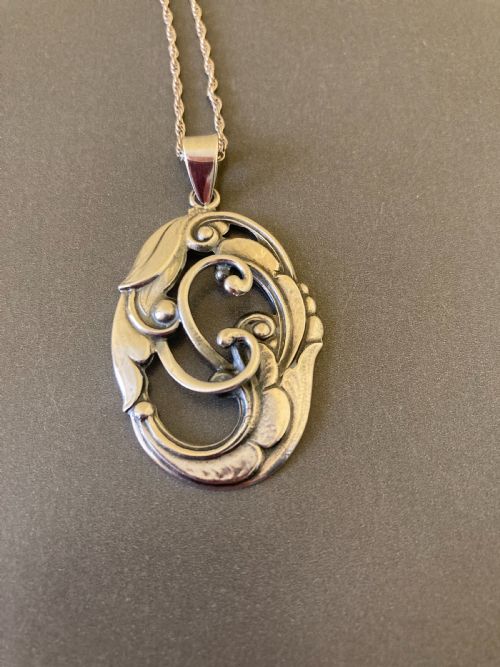
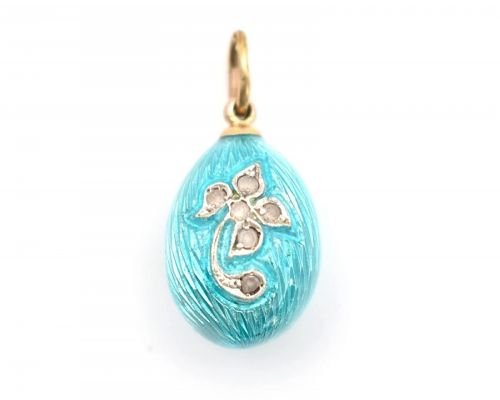
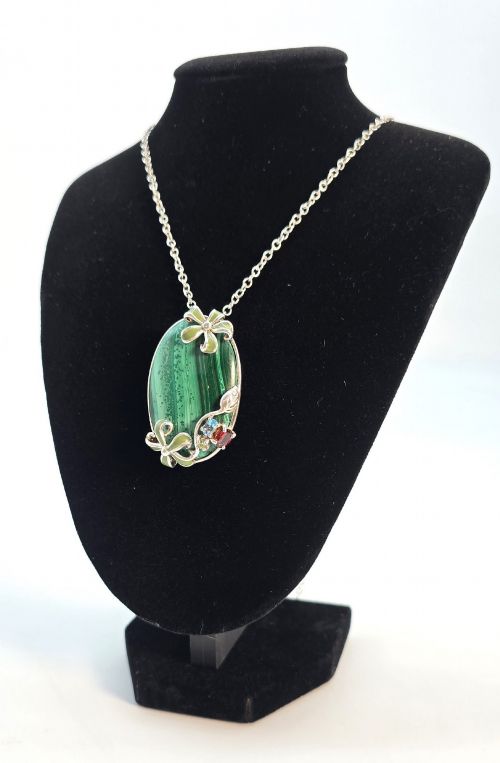
A silver floral pendant encompasses a range of wearable botanical designs executed in silver, often incorporating enamel or gemstones to depict flowers, leaves, and natural forms. These items appear across multiple periods, including the Victorian era, the Edwardian period, and the twentieth century.
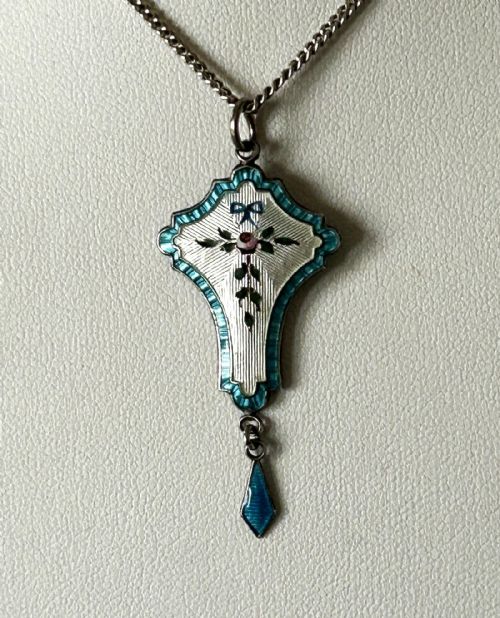
The version most commonly encountered on this page is the Victorian or Edwardian floral locket or drop pendant, frequently rendered in sterling silver with engraved petals or gemstone clusters. Alongside these, Scandinavian and Continental designs from the 1920s and 1930s utilise enamel work to render botanical subjects.
The selection extends from intricate Art Nouveau pieces to geometric Art Deco fobs and charms, demonstrating the versatility of floral motifs across different design movements. Buyers will find both standalone pendants and pieces configured as combined pendants and brooches.
How they were made
Construction relies heavily on silver and sterling silver as the primary base metals, shaped into bezels, filigree wire, and stamped plates to form petals and stems. Gold is occasionally introduced for highlights or settings, particularly in pieces from the late nineteenth century.
Enamelling techniques, including vitreous and cloisonné methods, bring vibrant colour to the floral subjects, fusing glass powder to metal surfaces under high heat. Gemstones such as diamonds, sapphires, turquoises, and green chalcedony are hand-set into the silver mounts to accent the botanical designs.
Periods represented on this page span from the Georgian era through Victorian, Edwardian, Art Deco, and mid-century modern decades.
What varies in quality
The standard of a silver floral pendant rests on the precision of the metalwork and the crispness of the botanical engraving or stamping. Superior pieces display delicate hand-cut details and secure stone settings that integrate harmoniously with the overall floral composition.
In enamelled examples, the depth of colour and the preservation of the glass surface dictate the quality, with smooth, intact enamel showing greater mastery than cracked or uneven applications. The integration of maker marks and the retention of original chains or mounts also influence the standing of the piece.
G. Hoppe·Charles Horner·Georg Jensen
The Silver Floral Pendant Glossary
- Lavalier pendant
- A drop pendant featuring one or more suspended stones or motifs that dangle below the main body. This style gained particular popularity during the Edwardian era.
- Vitreous enamel
- A material made by fusing powdered glass to a metallic substrate through firing. It provides durable colour on silver floral motifs.
- Piqué
- A technique involving the inlay of gold or silver into a non-metallic organic base such as tortoiseshell. It often appears on Victorian botanical brooches adapted as pendants.
- Old cut diamond
- A hand-faceted diamond shape common in antique jewellery before the standardisation of modern brilliant cuts. These stones exhibit smaller tables and open culets.
- Cloisonné
- An enamelling method where thin metal wires are soldered to the metal base to create compartments for coloured paste. This technique creates distinct cellular patterns in floral designs.
Silver Floral Pendant: Frequently Asked Questions
What periods do these pendants come from?
The pieces span the Victorian era, the Edwardian period, and the mid-twentieth century. Examples range from 1860s lockets to 1950s Danish modern drops.
Design characteristics shift from naturalistic floral engravings in the nineteenth century to stylised enamel work in the 1920s and 1930s.
How do I wear a pendant brooch?
Many historical pieces feature both a suspension loop and a pin finding on the reverse. This dual functionality allowed the owner to wear the item either suspended from a chain or pinned directly to clothing.
When wearing it as a pendant, ensure the pin is securely closed so it rests flat against the garment.
Are these pieces made of solid silver?
The listings comprise items fashioned from silver and sterling silver, sometimes accented with gold components or gilding. Continental and antique pieces may feature regional alloy standards alongside standard British sterling.
Precious metal content is typically indicated by hallmarks or test results noted in the specific listing details.
How do I care for enamelled silver?
Enamel is essentially glass fused to metal, so it requires gentle handling to avoid impacts that could cause chipping. Clean the piece using a soft cloth and warm soapy water, avoiding harsh chemical dips that can damage enamel or soft stones.
Store the pendant separately in a lined box to prevent scratching from other items.