


Silver Engraved Table Box
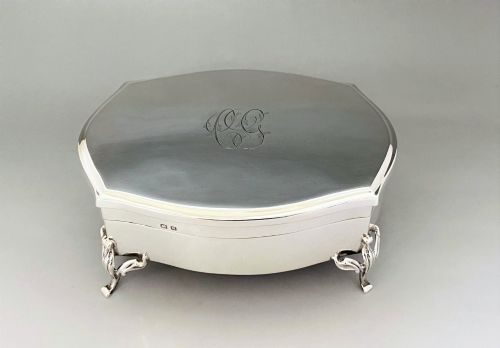
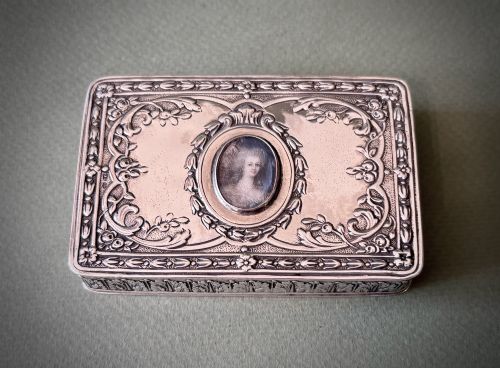
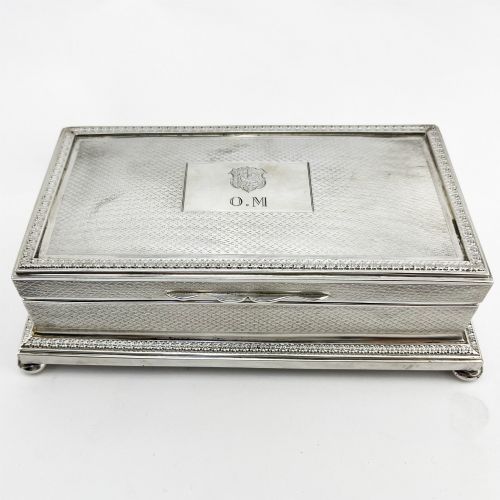
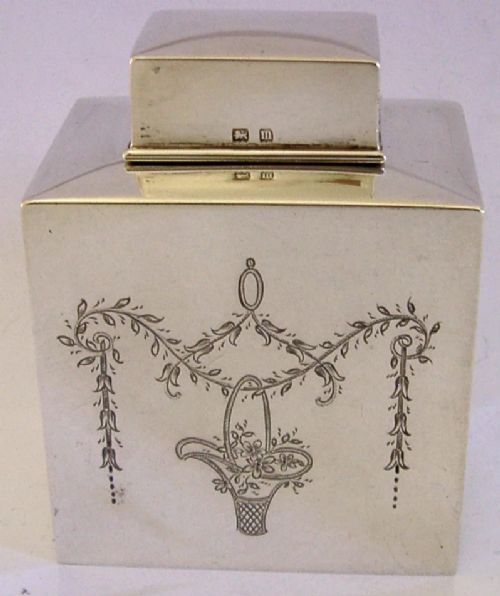
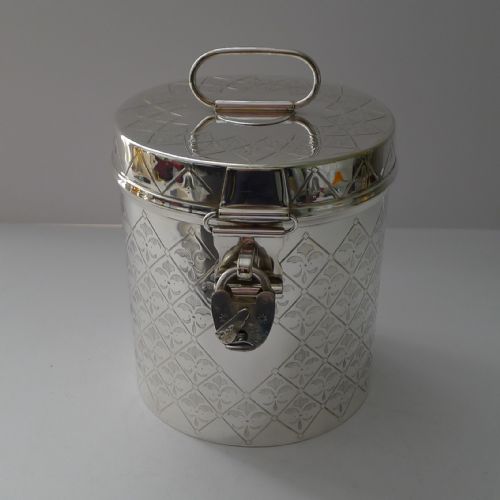
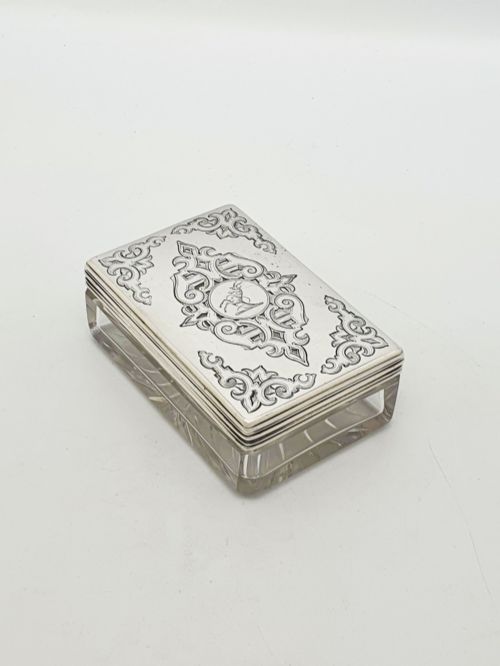
A silver engraved table box is a portable metal container designed for desk or dressing table use, prized for intricate surface decoration.
Silver Engraved Table Box
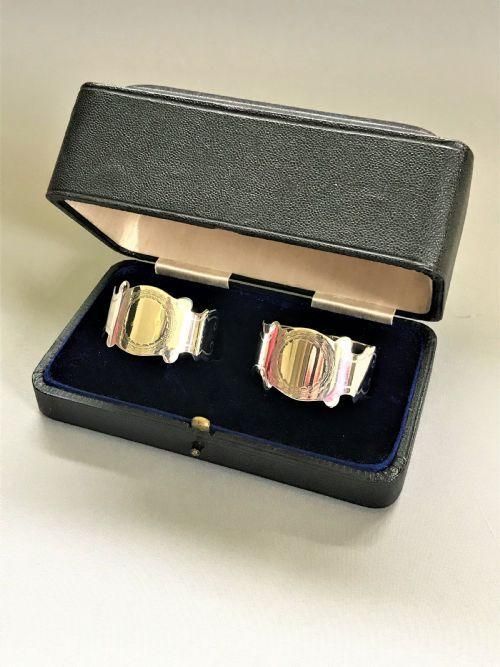
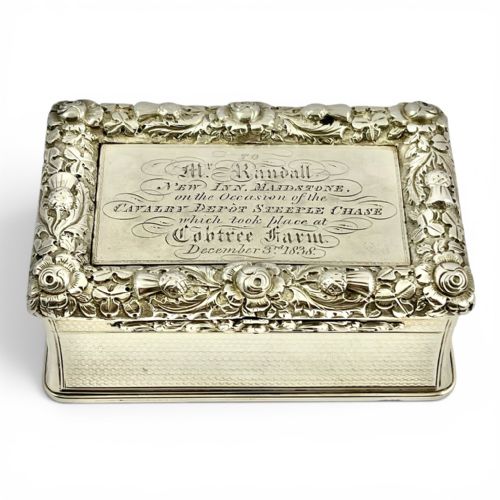
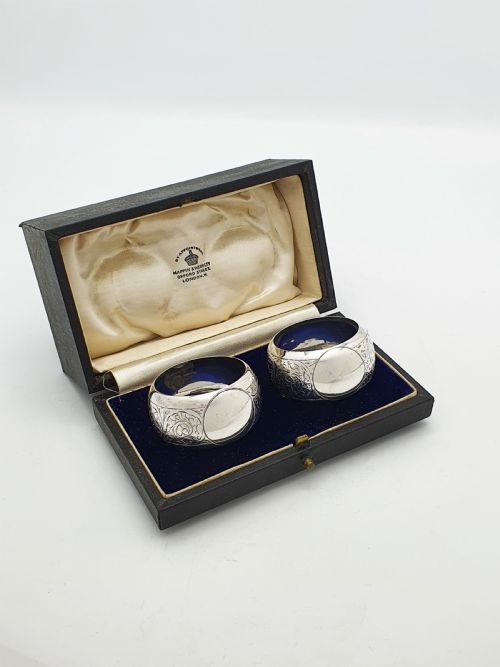
A silver engraved table box encompasses a range of domestic containers, most frequently encountered here as snuff boxes, trinket boxes, and jewellery caskets spanning the Georgian, Victorian, and Edwardian eras. Buyers exploring this category will find examples originating from English, Scottish, and continental workshops, including larger desk pieces alongside pocket-sized vessels. The selection reflects varied domestic uses, from holding tobacco to storing personal ornaments on a dressing table.
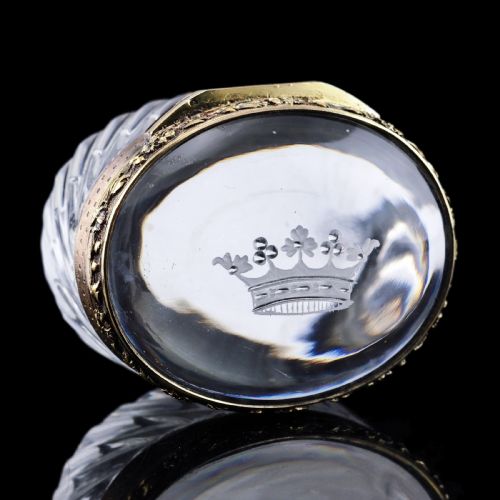
Victorian and Georgian pieces dominate the selection, bringing substantial metal weight and detailed surface work to the category. These periods supply both compact snuff containers and larger locking boxes intended for stationary placement. Alongside standard sterling silver, the assortment includes items combined with cut glass, crystal, or mother-of-pearl linings.
Materials and construction
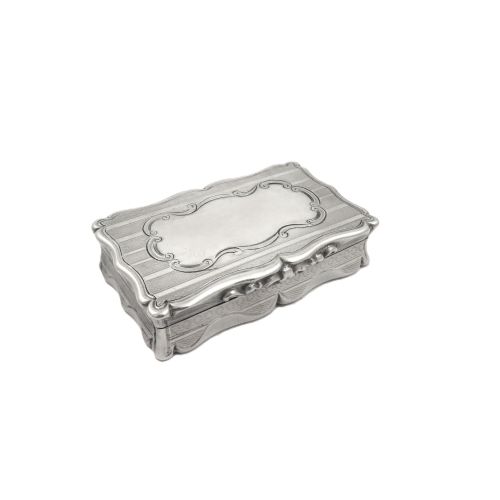
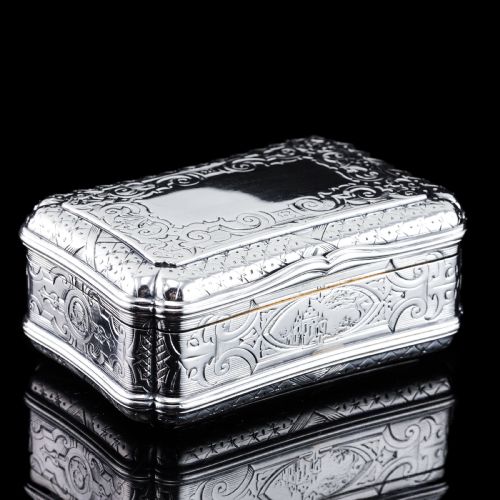
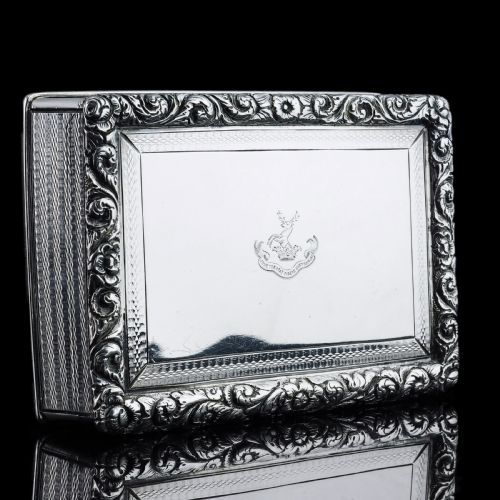
Silversmiths constructed these boxes using solid sterling silver or silver plate, frequently shaping them through stamping, casting, and hand-chasing. Surfaces received extensive surface engraving, including scrollwork, floral borders, and cartouches executed with sharp gravers.
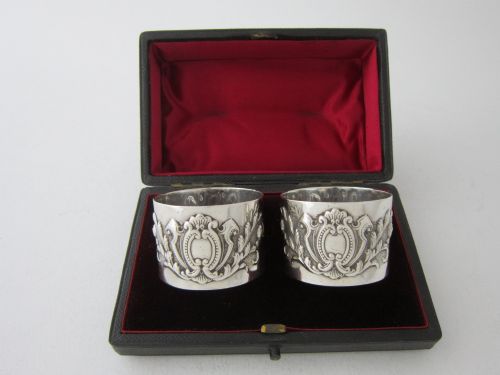
Interiors often lined with velvet, silk, or leatherette complemented the metal exteriors, while glass and crystal bodies received silver-gilt mounts or hinged lids. Birmingham and London assay offices provided the hallmarks stamped onto the base or lid, confirming the metal standard.
Heraldic dragon finials keep guard over nineteenth-century biscuit barrels.
Assessing the work
Quality rests upon the crispness of the hand engraving and the structural integrity of the hinge and lid closure. Pieces bearing deep floral chasing and clear maker marks demonstrate superior craftsmanship compared to softly worn examples.
The weight of the silver and the precision of the cartouche or border work distinguish standard production items from master silversmith outputs. Preservation of interior silk or velvet linings further separates well-kept pieces from those requiring restoration.
Zimmermann·Mappin and Webb·Paul Storr·Edward Smith·Joseph Willmore·Elkington and Co·Jane Brownett Alexander Jones·Frederick Mason
The Silver Engraved Table Box Glossary
- Cartouche
- An ornamental frame, often oval or shield-shaped, placed on the lid for initials or heraldic engraving.
- Hallmark
- Official stamps struck into precious metal indicating the maker, assay office, and year of testing.
- Chasing
- A metalworking technique where the smith hammers patterns into the front surface without removing material.
- Silver-gilt
- Sterling silver coated with a thin layer of gold on the interior or exterior surface.
- Niello
- A black metallic alloy used to fill engraved designs on silver, creating high-contrast patterns.
Silver Engraved Table Box: Frequently Asked Questions
What is a silver engraved table box?
A silver engraved table box is a lidded container fashioned from sterling silver or silver plate, decorated with hand-engraved patterns across the lid and sides. These pieces sat upon desks or dressing surfaces to hold small valuables.
Items in this category range from pocket snuff containers to larger jewellery caskets and tea caddies. Their surfaces typically display floral motifs, scrolls, or empty cartouches designed for personal inscriptions.
How were these boxes used originally?
Owners utilised these containers for storing dry goods like snuff and tea leaves, or for keeping jewellery and small personal accessories secure. Larger versions served as desk accessories for coins and correspondence.
Interior linings of silk, velvet, or leather protected delicate items from scratching against the metal walls. Secure locks on heavier pieces kept valuable contents private.
How can I tell a Georgian box from a Victorian one?
Georgian boxes often display flatter profiles with restrained floral chased borders, whereas Victorian examples lean toward heavier Rococo Revival forms with deep scrollwork and cast elements. Examining the style of decoration alongside any stamped hallmarks clarifies the period.
Assay office marks and date letters stamped into the metal provide the exact year of manufacture. Stylistic shifts in engraving patterns also reflect the changing tastes between the eighteenth and nineteenth centuries.
How do I care for antique silver boxes?
Maintaining these pieces requires gentle cleaning with a soft cloth to preserve the engraved details without wearing down the high points of the metal. Avoid abrasive polishes that damage delicate surface work and historic patination.
Keep fabric-lined interiors dry and store boxes away from direct sunlight to protect silk or velvet inserts. Proper placement on stable surfaces prevents accidental drops that could damage hinges.