


Silver Drinking Tankard
A silver drinking tankard brings weight and history to the table, offering a tangible connection to centuries of hospitality and craftsmanship.
Silver Drinking Tankard
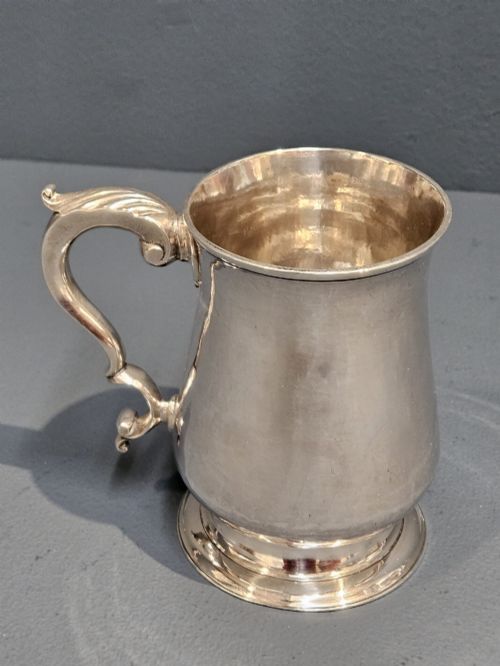
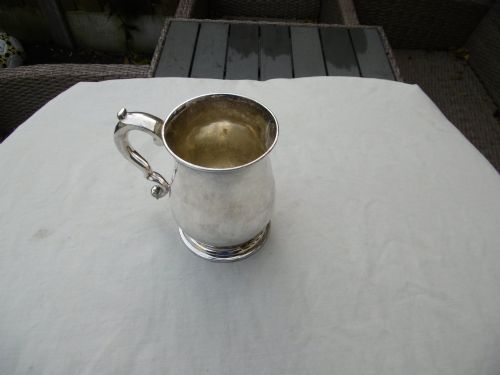
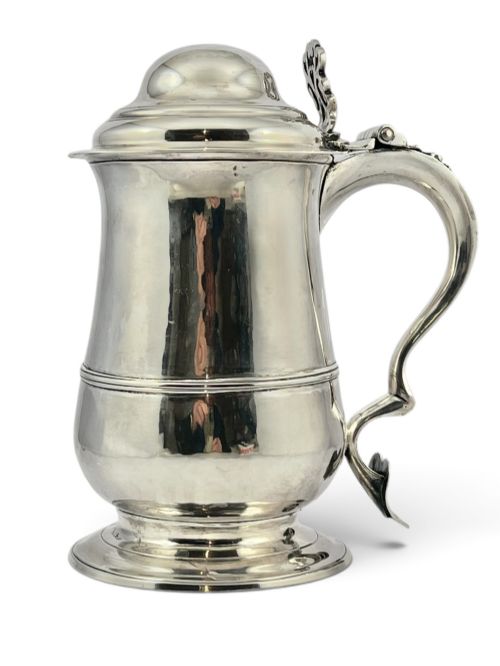
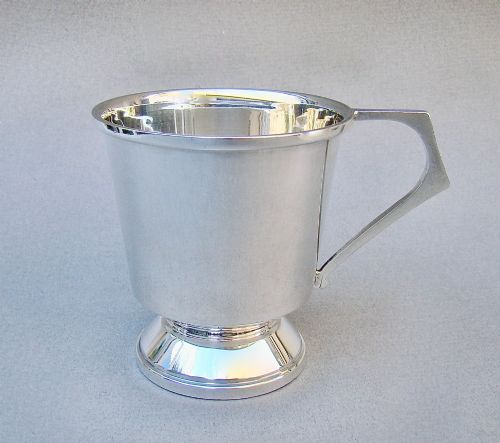
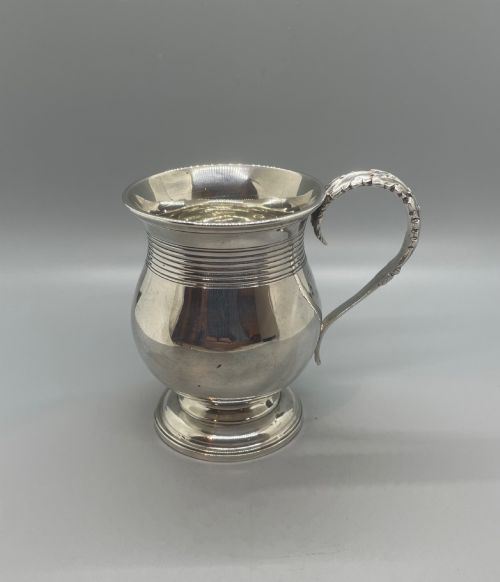
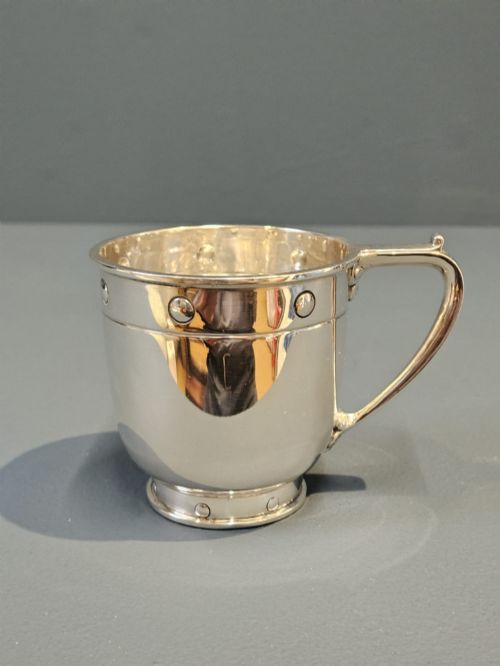
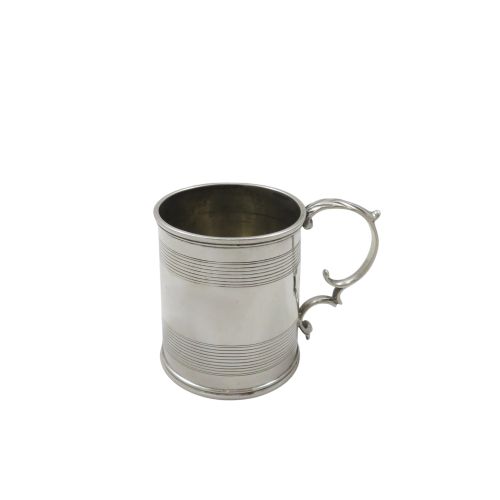
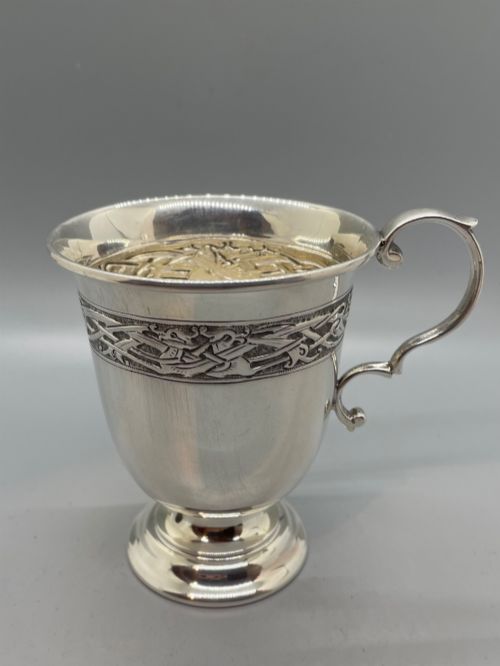
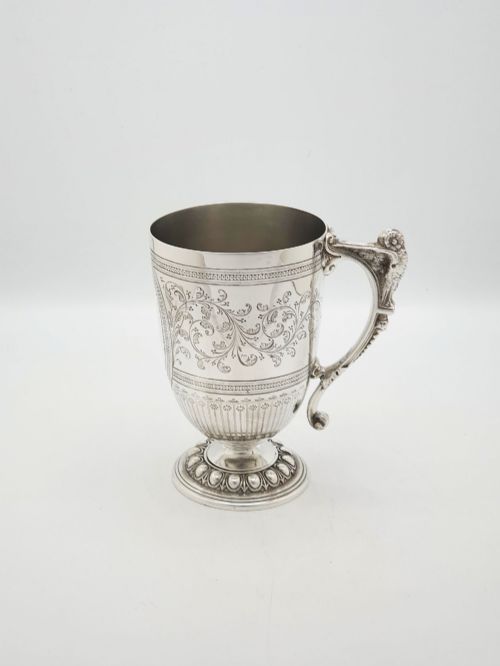
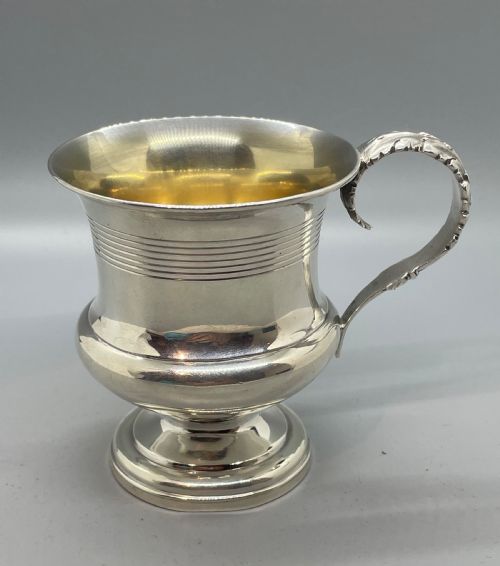
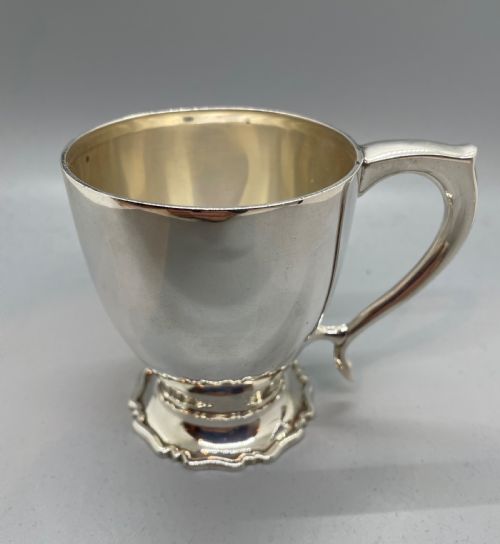
When you search for a silver drinking tankard, you encounter vessels designed for ale, beer, or ceremonial use, spanning several centuries of British and international silversmithing. The pieces available here range from small christening mugs to large quart vessels intended for communal toasts.
The most common examples on this page date from the Georgian, Victorian, and Edwardian periods. These include both solid sterling silver pieces bearing city hallmarks and Old Sheffield Plate or silver-plated variations produced by notable manufacturers.
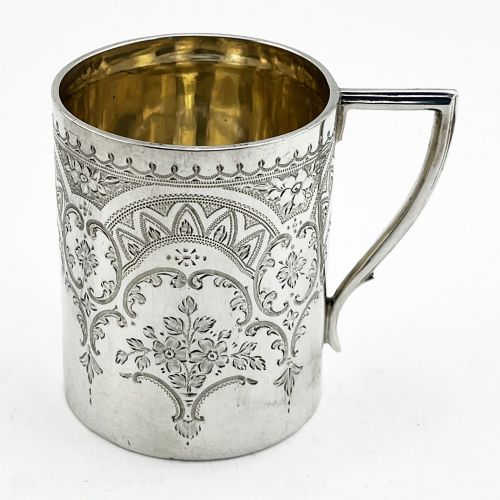
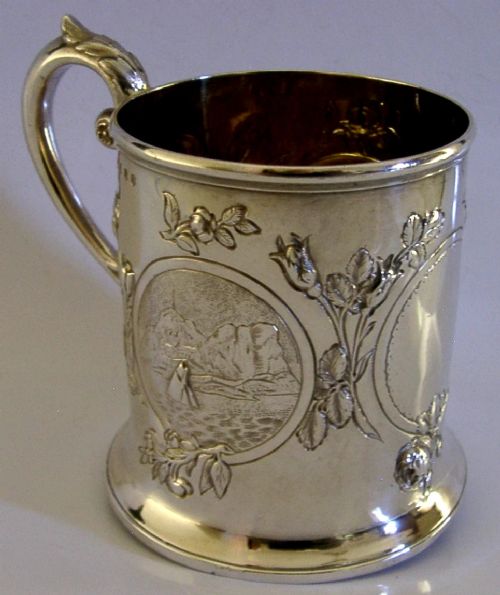
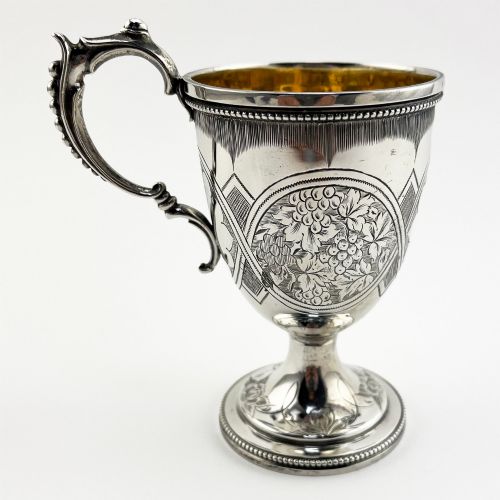
Forms vary from plain cylindrical bodies to heavily embossed, engraved, or gilded surfaces. Christening mugs and loving cups also appear frequently alongside traditional lidded and open tankards.
How they were made
Silversmiths constructed solid sterling silver drinking tankards using sheet silver hammered into shape, reinforced with cast handles and moulded rims. Britannia standard silver appears in earlier eighteenth-century examples, offering a higher purity of silver content.
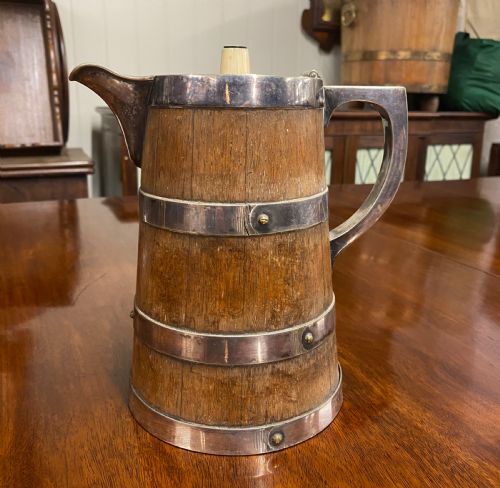
Old Sheffield Plate and later silver-plated pieces utilise a fused layer of silver over a copper or nickel silver base metal. Manufacturers applied decorative techniques such as embossing, engraving, and gilding to enhance the visual appeal of the metal surface.
Silver Drinking Tankard Retail Price Guide 2026
Typical asking prices for silver drinking tankard among the pieces listed under this phrase on Sellingantiques today, from the lower quarter to the upper quarter. They describe what is for sale here now, not the wider market.
Listings feature sterling silver, Old Sheffield Plate, and electroplated nickel silver across Georgian, Victorian, and Edwardian eras.
What varies in quality
The crispness of the hallmarks and the depth of hand-engraving or embossing distinguish superior examples from standard production pieces. Heavier gauge silver provides a more substantial feel in the hand and resists denting over generations of use.
Construction details such as the joinery of the handle, the integrity of any plating over copper, and the presence of original gilding inside the bowl determine the desirability and preservation of each piece.
Barker Bros·G R Collis·George Ernest Hawkins
The Silver Drinking Tankard Glossary
- Hallmark
- Official stamps struck into precious metals indicating the assay office, purity, and year of manufacture. These marks provide definitive provenance for British silver.
- Old Sheffield Plate
- An early form of plated metal created by fusing a sheet of silver to a copper core. This technique predates modern electroplating.
- Britannia Standard
- A purer standard of silver enforced in England from 1697 to 1720 to prevent the melting of coinage. It contains 95.84 percent pure silver.
- Gilt
- A thin layer of gold applied to the interior or exterior surface of a silver vessel. This process prevented acidic drinks from tasting of metal.
Silver Drinking Tankard: Frequently Asked Questions
Were silver tankards used for everyday drinking?
In earlier centuries, solid silver and high-grade plated vessels served as functional tableware for wealthy households. They held ale, beer, and cider during daily meals and social gatherings.
Smaller examples often served as christening gifts, intended to mark a child's birth rather than for daily use.
How do I identify the date of a silver tankard?
British pieces rely on stamped hallmarks that include a date letter corresponding to specific assay office cycles. Style, weight, and decorative motifs also provide strong indicators of the manufacturing period.
Georgian pieces display different handle formations and proportions compared to later Victorian or Edwardian revivals.
Can I use an antique silver tankard for drinks?
Solid silver and silver-plated vessels remain structurally suitable for holding cold beverages. Many owners continue to use them for celebratory toasts or formal dining.
Careful hand washing with non-abrasive cleaners helps preserve the surface engraving and original plating.