

Silver Dressing Table Casket
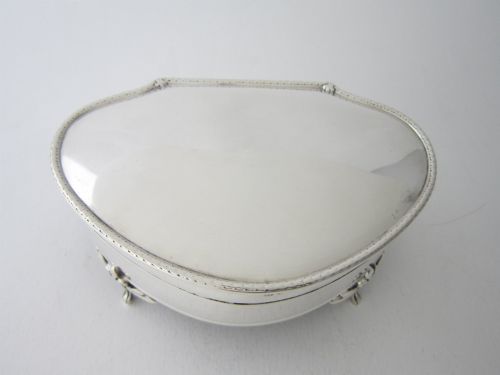
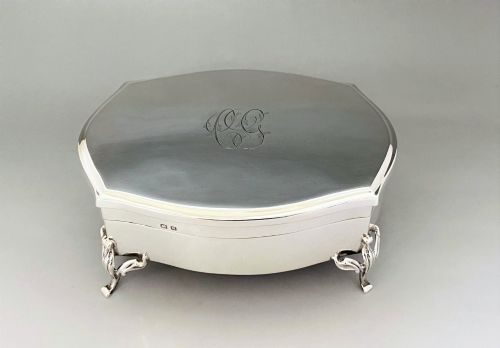
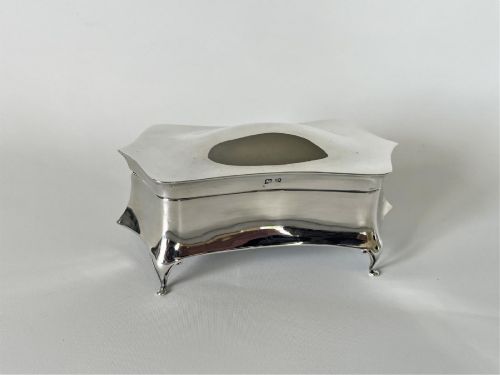
A silver dressing table casket sits ready to hold your rings, trinkets and daily treasures.
Silver Dressing Table Casket
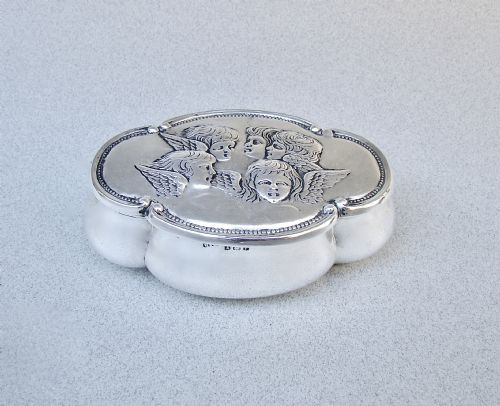
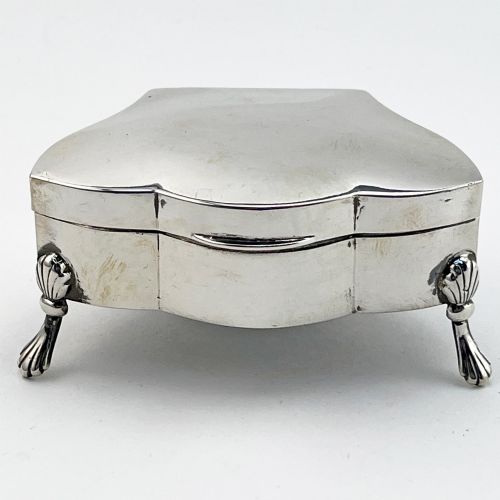
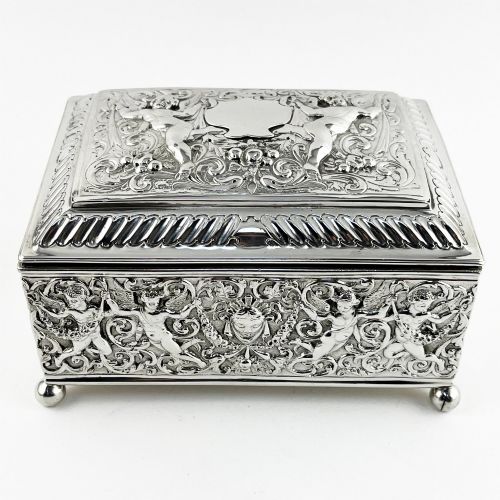
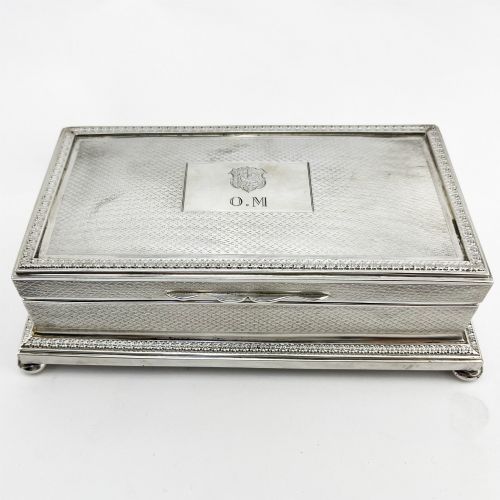
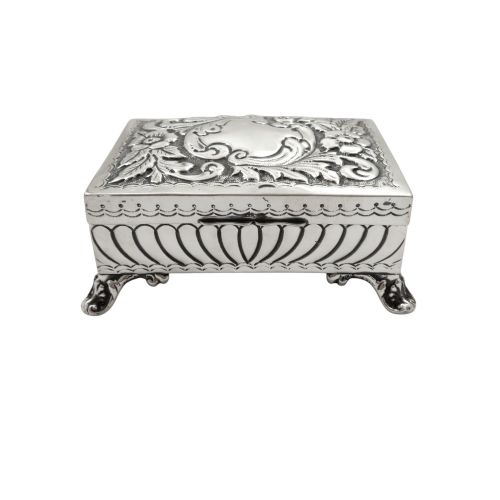
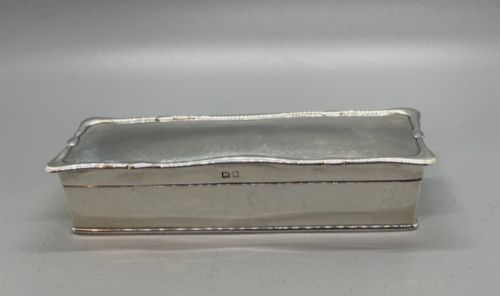
When you search for a silver dressing table casket, you find decorative receptacles designed to sit upon a dressing table or vanity surface. These boxes hold jewellery, hairpins, rings, and small keepsakes, keeping personal items secure and close at hand. The pieces available here span from the late nineteenth century through to the Edwardian and George V eras, reflecting changing domestic habits of their time.
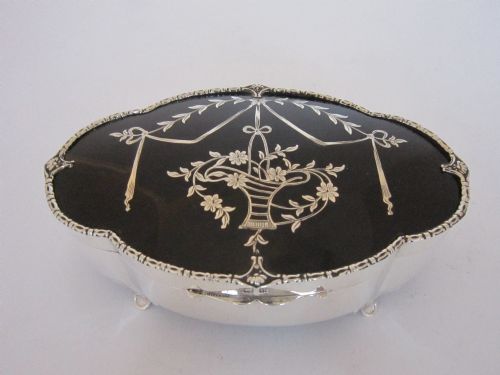
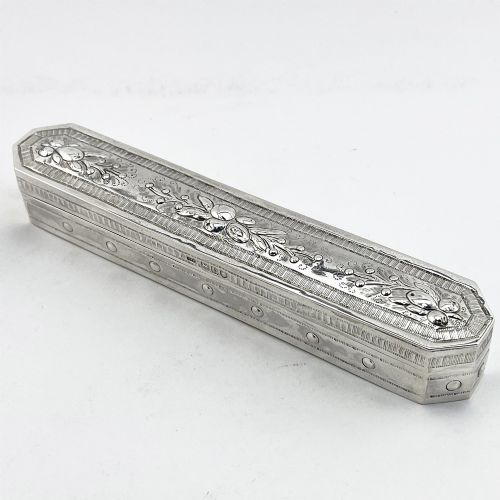
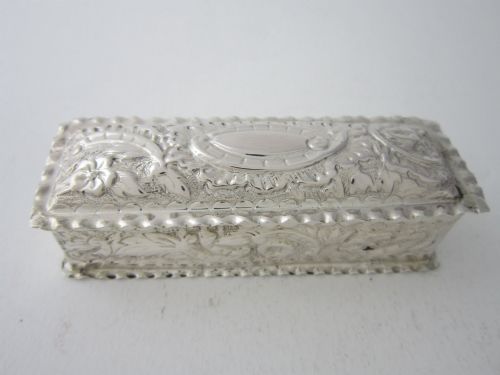
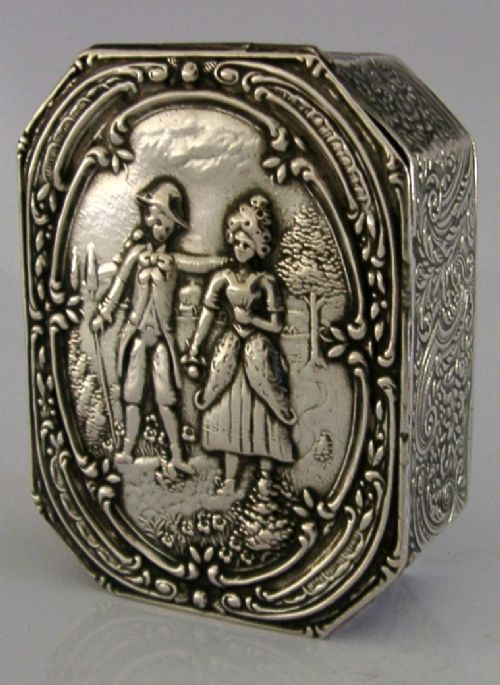
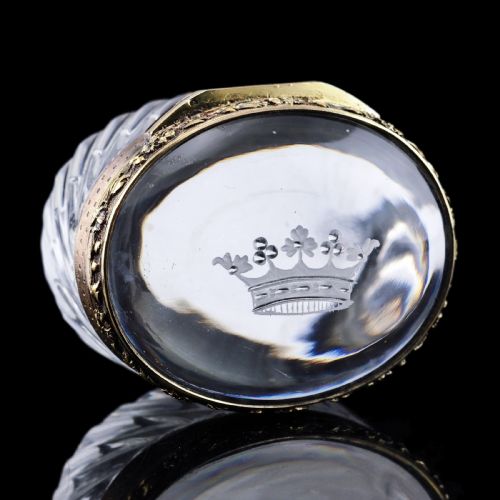
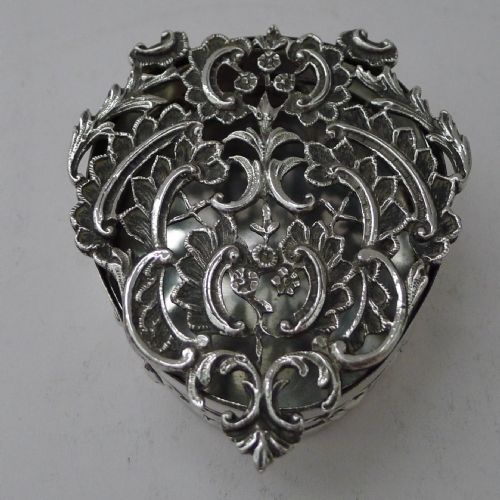
You are most likely to encounter compact trinket boxes, ring boxes, and larger jewellery caskets fashioned from sterling silver. Many examples incorporate interior linings of velvet or satin, while others combine silver mounts with tortoiseshell, cut crystal, or glass bodies. Forms vary from simple rectangular shapes to heart and coffin designs, alongside pieces bearing ornate Rococo Revival or sleek Art Nouveau motifs.
Materials and construction
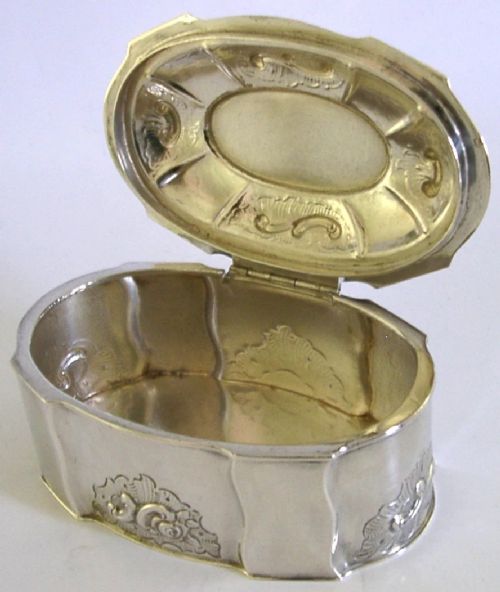
Silversmiths constructed these caskets using solid sterling silver or silver plate, frequently employing techniques such as stamping, repoussé, and chased ornamentation. Assay office hallmarks stamped into the metal reveal the town of origin, such as Birmingham, London, or Chester, along with the specific year of manufacture. Continental European workshops also contributed distinctive solid silver and silver-gilt pieces.
Many boxes integrate contrasting materials alongside the metal framework. Tortoiseshell panels, cut crystal bodies, and porcelain enamel inserts appear frequently, secured within hinged silver mounts. Interiors often feature fitted velvet or fabric pads designed to cradle rings and delicate jewellery safely.
Silver Dressing Table Casket Retail Price Guide 2026
Typical asking prices for silver dressing table casket among the pieces listed under this phrase on Sellingantiques today, from the lower quarter to the upper quarter. They describe what is for sale here now, not the wider market.
Listings feature sterling silver dressing table caskets spanning the Victorian, Edwardian, and Art Deco periods, alongside continental European work.
Distinctions in quality
Quality in a silver dressing table casket rests upon the weight of the metal, the crispness of the chased or embossed detail, and the integrity of the hinges. Heavier gauges of silver resist denting and distortion better over decades of daily use. Finer pieces display sharply defined motifs and smooth lid action that closes flush against the body.
The choice of secondary materials further separates standard items from exceptional ones. Boxes incorporating genuine tortoiseshell, intricate cut crystal, or complete velvet linings reflect higher production costs and greater artisan skill. Maker marks from notable silversmiths also elevate the standing of a piece within a collection.
William Comyns·Mappin & Webb·William Hutton·Posen of Frankfurt·William Neale and Sons·Jane Brownett Alexander Jones
The Silver Dressing Table Casket Glossary
- Hallmark
- A series of official marks stamped on precious metals indicating the standard of purity, the assay office, and the date letter. These stamps allow collectors to trace the exact origin of a silver casket.
- Repoussé
- A metalworking technique where the silversmith hammers the design from the reverse side to form a raised pattern in relief on the front. This method creates the ornate floral and scrollwork seen on many Victorian boxes.
- Silver-gilt
- Silver that has been coated with a thin layer of gold on its surface, also known as vermeil. This treatment adds warmth and prevents tarnishing on the interior surfaces of caskets.
- Tortoiseshell
- The mottled brown and amber shell of certain marine turtles utilised for decorative inlay and panels on dressing table boxes. It provides a rich contrast against polished sterling silver mounts.
- Trinket box
- A small lidded container intended for holding pins, small brooches, and everyday ornaments. These pieces form the most common variety of dressing table storage on the market.
Silver Dressing Table Casket: Frequently Asked Questions
What is a silver dressing table casket used for?
These caskets were designed to hold rings, brooches, hairpins, and other small personal items used during daily grooming routines. They kept delicate jewellery organised and protected on bedroom furniture.
Today, owners continue to use them for storing modern rings, cufflinks, and keepsakes on dressing tables or sideboards.
How do I identify the date of a silver box?
British pieces feature hallmarks that include a specific letter stamp denoting the year of manufacture, alongside the leopard head, anchor, or other assay office symbols. Comparing these stamps against standard hallmarking tables reveals the exact age.
Continental European and unmarked pieces rely stylistic clues such as Art Nouveau curves or Neoclassical motifs to narrow down the period.
What materials are combined with silver in these boxes?
Silversmiths frequently paired sterling silver mounts with natural tortoiseshell, cut crystal, and glass bodies. Some Edwardian and Victorian examples also feature porcelain enamel panels or ebonised wood structures.
Interiors are commonly lined with velvet, satin, or silk to cushion fragile items and jewellery.
How should I clean antique silver boxes?
Antique silver requires gentle cleaning with a soft microfiber cloth and a mild, non-abrasive silver polish to preserve chased details and hallmarks. Avoid harsh chemical dips that strip away the desirable dark patina accumulated in recessed areas.
For boxes with tortoiseshell or fabric linings, care must be taken to keep moisture away from vulnerable glued joints and old textiles.