

Silver Double Watch Chain
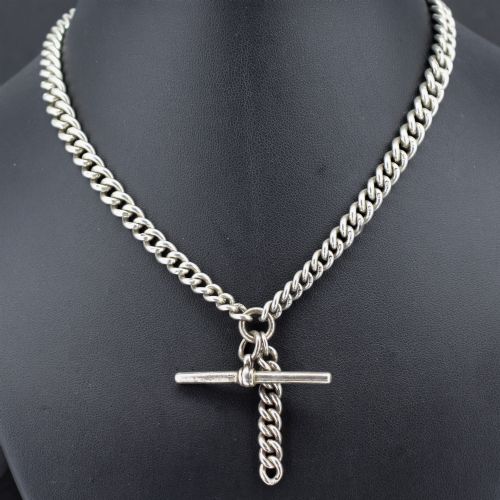
These silver double watch chain pieces are historic pocket watch albert chains that now serve as statement necklaces.
Silver Double Watch Chain
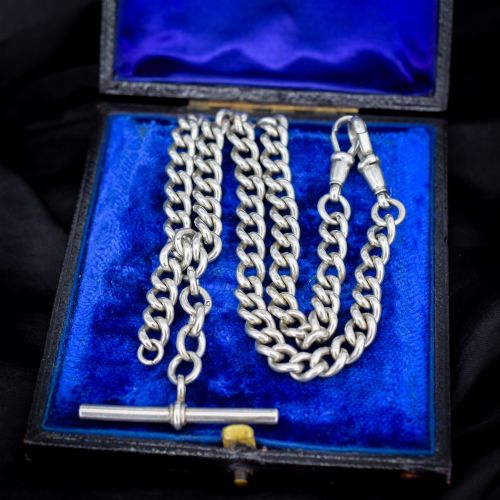
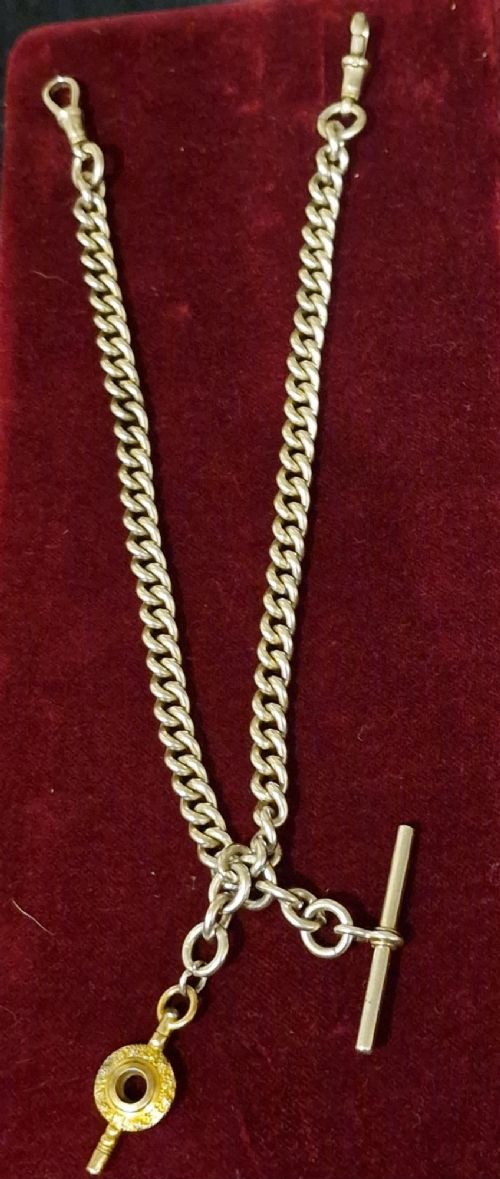
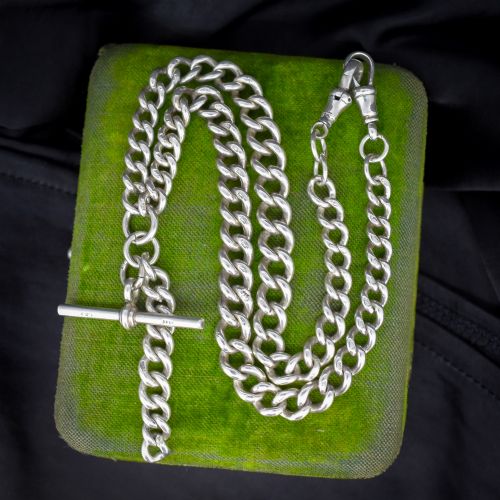
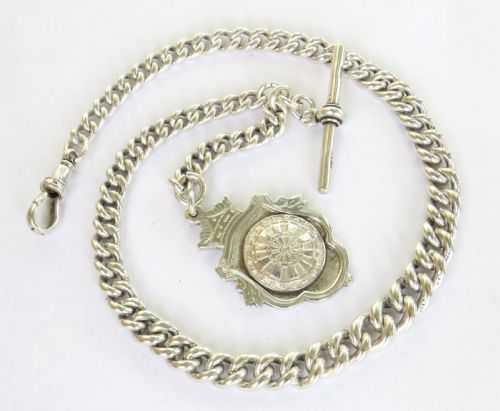
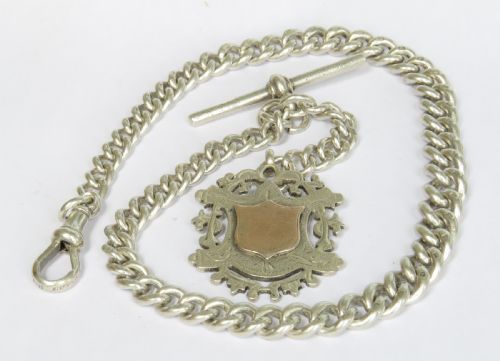
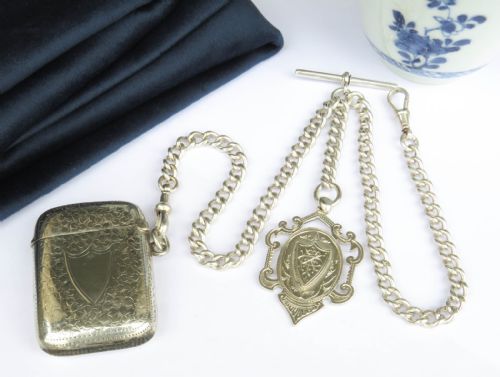
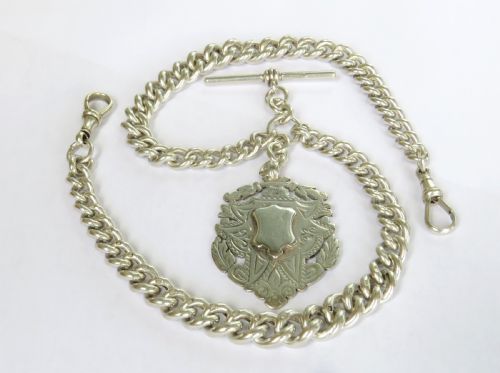
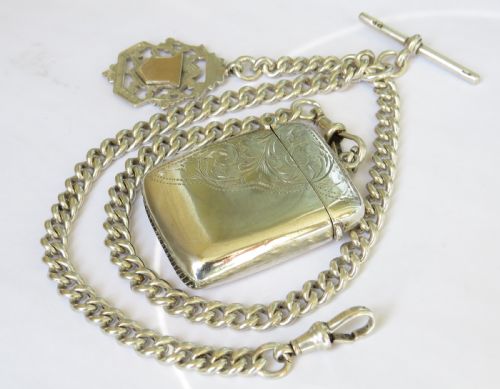
A silver double watch chain forms a substantial loop of links designed originally to secure a pocket watch in a waistcoat pocket while attaching to a fob, vesta or sovereign holder. These pieces span the Victorian, Edwardian and Art Deco periods, utilising sterling silver alongside occasional rose gold accents and enamel details.
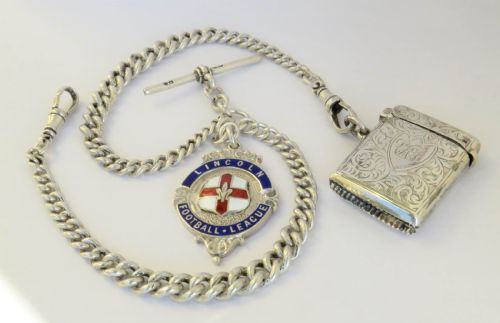
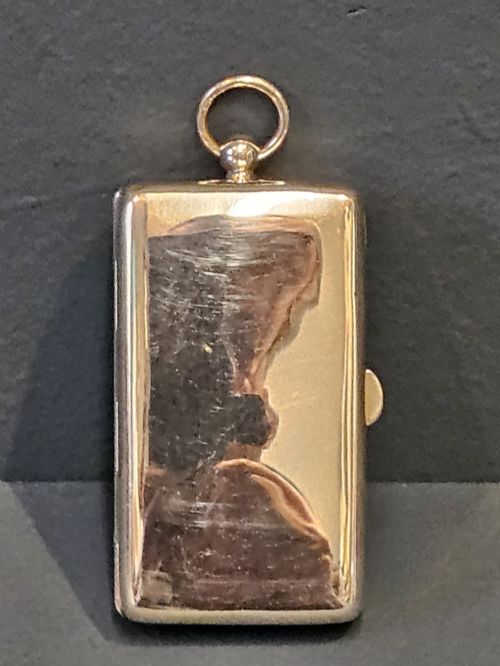
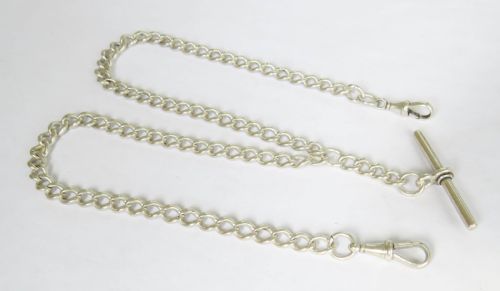
The versions most commonly met on this page include curb link chains featuring dual dog clips, T-bars and assorted functional pendants such as matchbox vestas, coin holders and sports medals. Many survive with full hallmarks dating from the late nineteenth century through to the nineteen-thirties.
While originally constructed for timekeeping utility, these items function widely today as heavyweight necklaces and chokers. The dual strand configuration creates a distinct drape across the chest that differs significantly from single pendant chains.
Materials and construction methods
Makers constructed these chains primarily from solid sterling silver, shaping individual uniform or graduated links by hand and machine before assembling them into robust double strands. Gold accents and enamel decoration appear selectively on associated fobs and medallions.
Secure fastening relies on spring-loaded dog clips and swivel attachments, paired with T-bars meant to anchor through buttonholes. Links attach firmly to central rings that balance the dual strands evenly across the wearer.
Silver Double Watch Chain Retail Price Guide 2026
Typical asking prices for silver double watch chain among the pieces listed under this phrase on Sellingantiques today, from the lower quarter to the upper quarter. They describe what is for sale here now, not the wider market.
Distinctions in craftsmanship and survival
The highest quality examples demonstrate crisp, legible hallmarks on individual links and components, paired with tight link construction that prevents excessive stretching or sagging over time. Weight and gauge dictate the physical presence of the piece, with heavier specimens offering greater durability.
The presence of matching original accessories, such as inscribed fobs, vestas or sovereign holders bearing the same silver hallmarks, elevates the integrity of the ensemble. Wear around the spring mechanisms of dog clips and swivel connectors indicates the frequency of past use.
Cashmore
The Silver Double Watch Chain Glossary
- Albert chain
- A pocket watch chain named after Prince Albert, designed to attach a timepiece to a waistcoat.
- Dog clip
- A spring-loaded snap hook used to secure a pocket watch or pendant to the chain links.
- T-bar
- A transverse bar attached to the centre of the chain, slotted through a garment buttonhole to anchor the setup.
- Vesta
- A small matchbox, often carried on the chain as a fob for lighting matches or tobacco.
- Curb link
- A type of chain link design featuring flattened, interlocking oval units that lie flat against the body.
Silver Double Watch Chain: Frequently Asked Questions
How do I wear a silver double watch chain today?
These pieces function well as standalone necklaces or chokers, utilising the original dog clips and T-bars as part of the decorative fastening.
The substantial weight of the dual strands allows the chain to sit securely across the chest without additional pendants.
What periods do these silver watch chains come from?
The inventory spans the Victorian, Edwardian and Art Deco eras, with dates ranging from the late nineteenth century through the nineteen-thirties.
Hallmarks stamped on the links and fobs help pinpoint the exact year of assay and origin.
What is an albert chain?
An albert chain is a specific style of pocket watch chain popularised in the nineteenth century, featuring a double strand design.
It connects a timepiece on one side to a secure anchor point while displaying decorative fobs.
What kinds of fobs are attached to these chains?
Common attachments include matchbox vestas, sovereign holders, commemorative coins, stamp cases and sports club medals.
These functional items reflect the personal associations and interests of the original nineteenth and twentieth century owners.