



Silver Dish with Lid
A silver dish with lid brings functional elegance to the table, and these pieces span centuries of fine serveware and decorative boxes.

Silver Dish with Lid
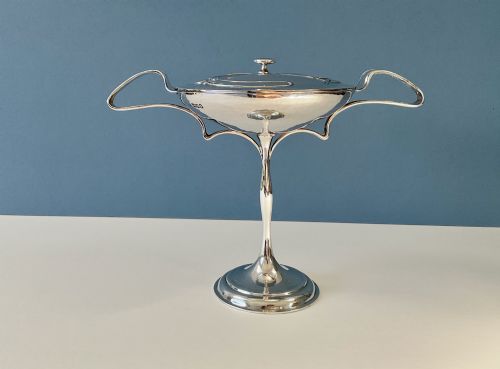
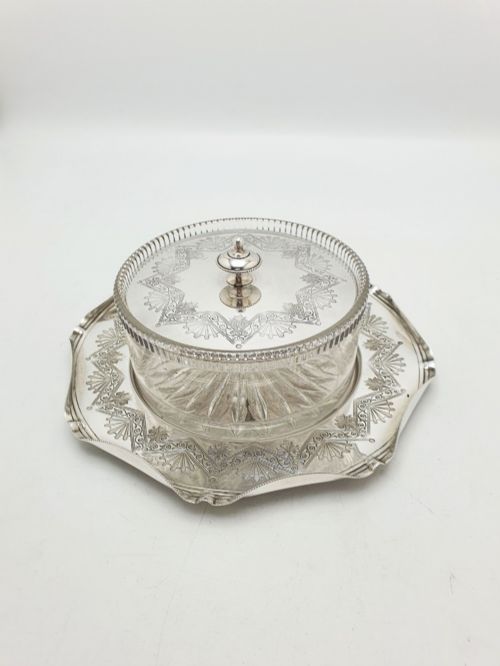
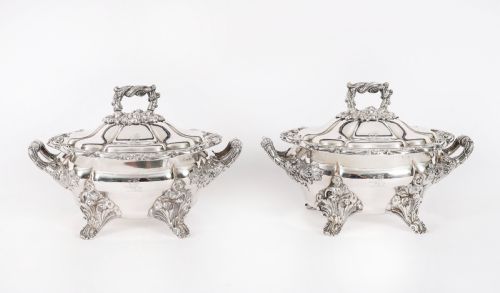
When you search for a silver dish with lid, you encounter an array of serveware, lidded entrees, sauce tureens, and small decorative boxes designed for the dining table or sideboard. These items emerge from periods ranging through the Georgian era, the Victorian decades, and the Art Deco movement, capturing diverse aesthetic standards of their respective times.
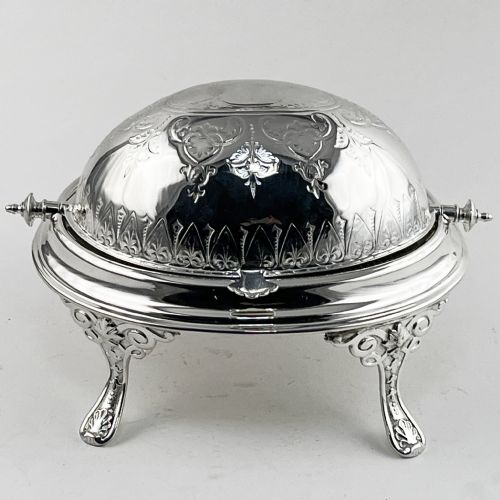
You are most likely to meet silver plated or solid sterling silver examples on this page, often accompanied by period liners in cut glass or ceramic. Forms stretch from simple butter dishes with pull-off lids to elaborate revolving lidded pieces and large multi-handled punch bowls or warming dishes.
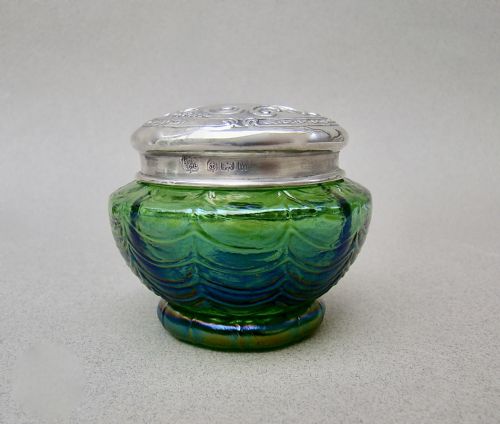
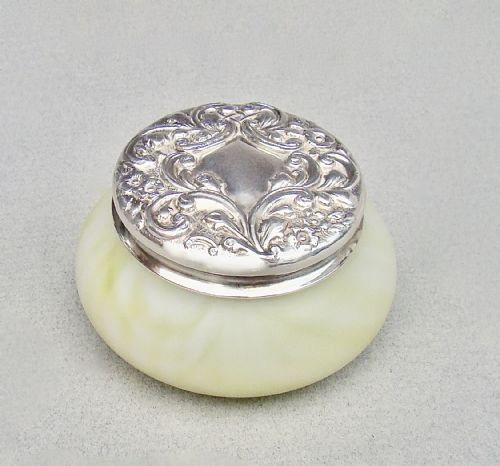
Origins span British workshops alongside French and Japanese makers, showing that covered vessels served universal dining needs across cultures. Whether you require a small trinket box with chased floral motifs or a substantial entree dish for formal dining, the selection reflects practical luxury through the ages.
How they were made
Makers utilised solid sterling silver, silver plate, Old Sheffield plate, and electroplated nickel silver over copper bases, shaping metal through hammering, casting, and rolling techniques. Workshops applied techniques such as bright-cut engraving, floral chasing, and mixed metal inlay to enrich the surfaces of lids and bowls.
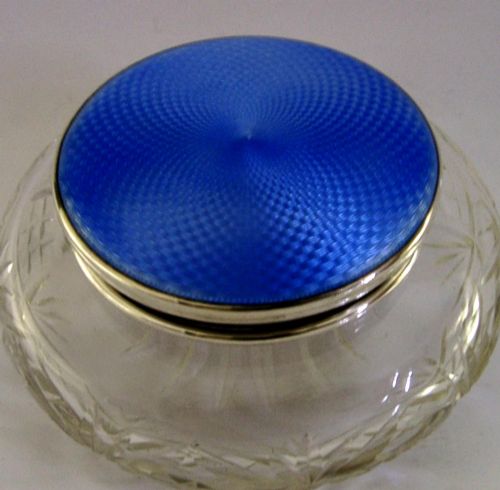
Interior elements incorporate cut glass, frosted glass, or ceramic liners, fitted precisely to the silver mounts and frames. Many pieces utilise cast handles, finials shaped as animals or flora, and applied decorative borders soldered firmly to the body of the dish.
Listings feature 19th Century, Georgian, and Art Deco periods, encompassing silver plate, copper, sterling silver, and cut glass.
What varies in quality
The distinction between standard items and the finest work lies in the crispness of the chasing, the weight of the metal, and the harmony of proportion. Superior pieces display substantial gauge silver or heavy plating that resists wear, alongside cast components like figural finials and handles that integrate seamlessly with the vessel.
Attention to detail in secondary elements, such as the exact fit of removable glass liners and the smooth action of revolving or pull-off lids, separates master workshop production from ordinary manufacturing. Maker marks and clear hallmarking further distinguish pieces produced by renowned silversmiths.
William Grundy·Daniel and Arter·Matthew Linwood·Christofle Gallia·William Comyns·Thomas Bishton·Emile Hugo·Henry Matthews
The Silver Dish with Lid Glossary
- Entree dish
- A lidded serving vessel traditionally used for the second course of a formal meal. These items often feature removable handles allowing the base to function as two separate dishes.
- Old Sheffield plate
- An early form of composite metal created by fusing a thin sheet of silver to a thicker copper base before rolling. This technique produces a warm tone where the copper base occasionally shows through high points.
- Tureen
- A deep, covered bowl designed for serving soups, sauces, or vegetables at the table. They frequently stand upon fixed feet and possess two sturdy side handles.
- Chasing
- A metalworking technique where the artisan depresses the metal from the front using hammers and punches to create raised surface designs. This method decorates many Victorian and Edwardian lids and borders.
- Bonbon dish
- A small, open or lidded vessel intended to hold sweets or confections. They often include swing handles and delicate pierced work.
Silver Dish with Lid: Frequently Asked Questions
What were silver dishes with lids used for originally?
These covered vessels served to keep food warm at the dining table, particularly butter, sauces, vegetables, and meats. They protected provisions from dust while presenting a polished appearance during formal meals.
Smaller lidded boxes functioned on sideboards or dressing tables to hold trinkets, pins, or confections. Their varied forms reflect the specific culinary and domestic rituals of past centuries.
How do I identify the period of a silver dish?
Examining hallmarks, maker stamps, and stylistic details provides the most reliable guide to a piece's age. Georgian items often display simpler lines or robust cast ornament, whereas Victorian examples frequently feature heavy floral chasing and applied borders.
Art Deco pieces from the early twentieth century introduce geometric silhouettes and streamlined handles. Comparing the construction methods and liner materials also helps place the object in its historical era.
Are silver plated dishes durable for daily use?
Silver plated serveware and Old Sheffield plate withstand regular use provided they receive gentle cleaning with non-abrasive cloths and mild detergents. The underlying copper or base metal remains protected beneath the silver layer.
Careful hand washing preserves both the plating and any fitted glass liners. Storing them away from damp environments prevents tarnishing and maintains the metal surface.
What is the difference between solid silver and silver plate?
Solid silver pieces consist entirely of precious metal throughout their structure, usually conforming to sterling standards or higher. They carry official hallmarks indicating the silversmith and assay office.
Silver plate involves a thin layer of silver bonded to a base metal such as copper or nickel silver. This technique offered an accessible alternative to solid silver for larger serving dishes and tureens.