

Silver Dining Table Decor
Silver dining table decor brings together practical table accessories and ornamental accents created to dress formal dining settings.
Silver Dining Table Decor
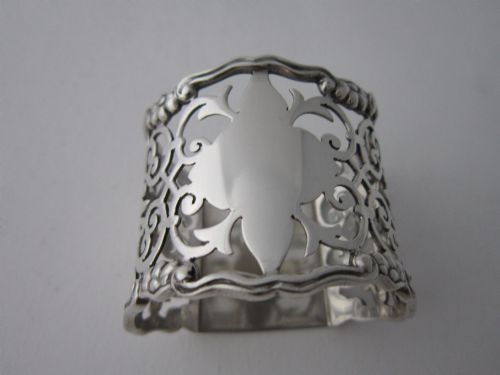
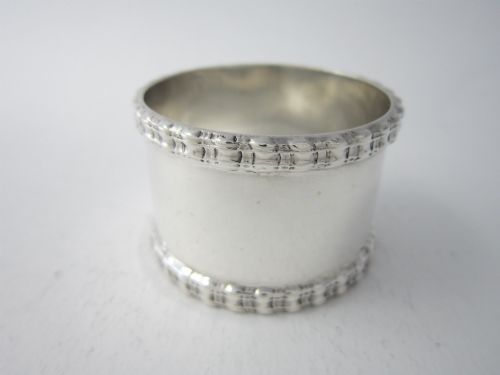
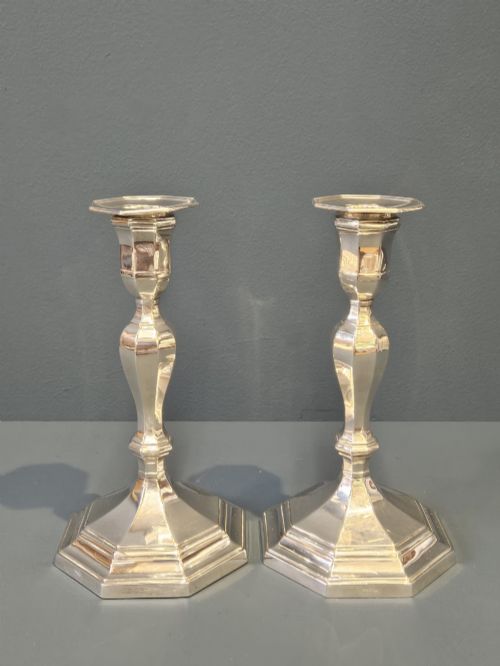
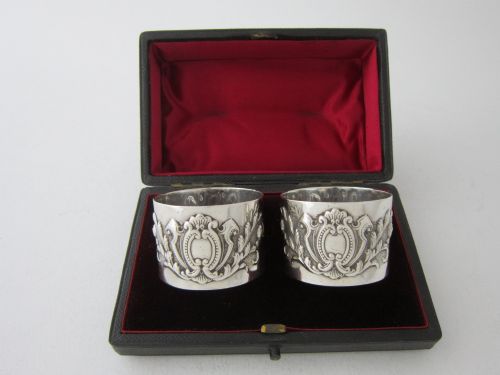
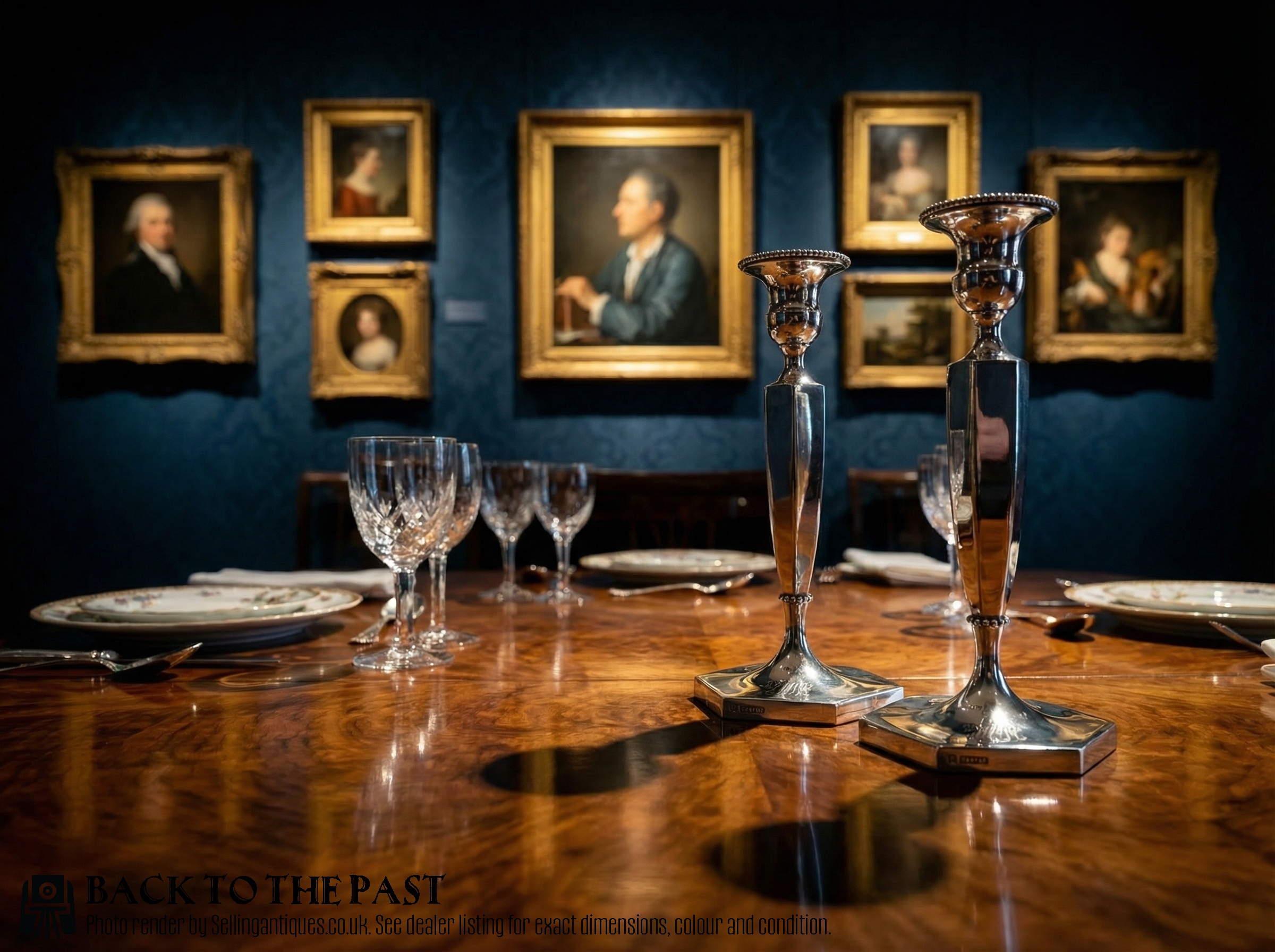
Silver dining table decor encompasses functional items designed for the dining table, most frequently appearing as napkin rings, candlesticks, menu holders, and knife rests. These pieces date from the Victorian, Edwardian, and early twentieth-century periods, spanning reigns such as George V and George VI.
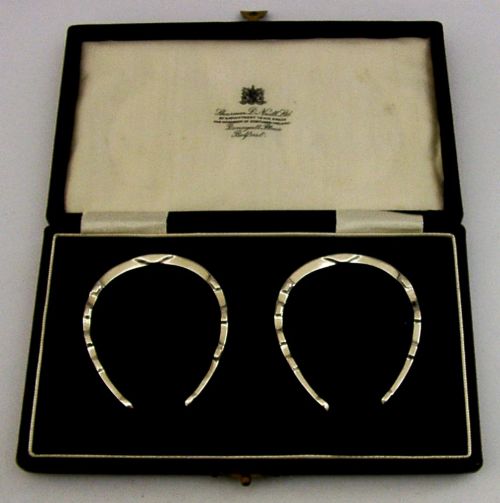
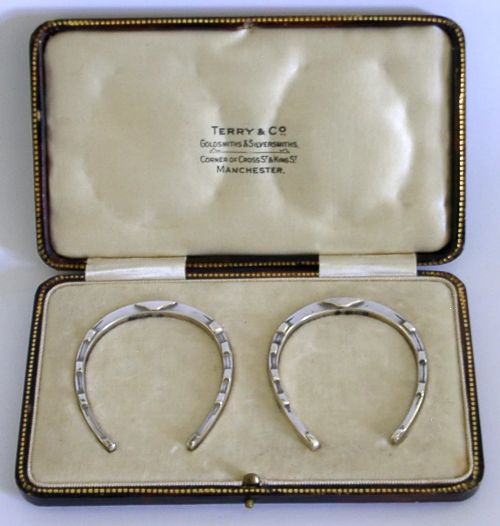
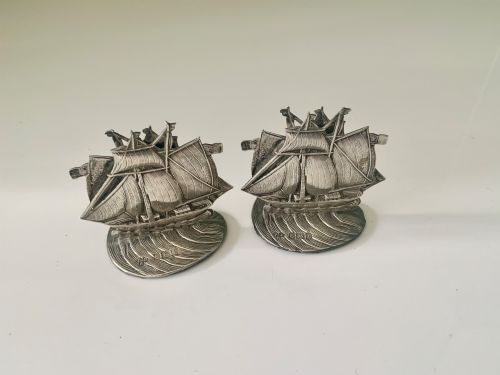
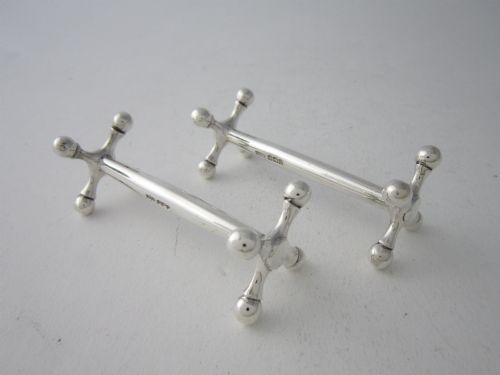
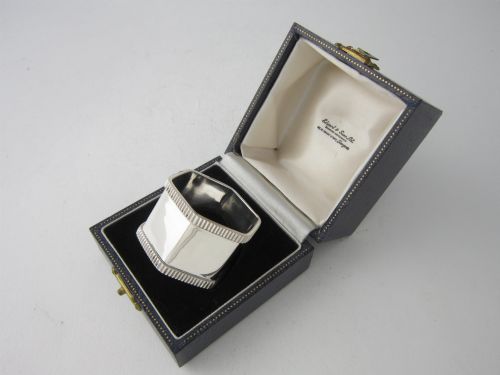
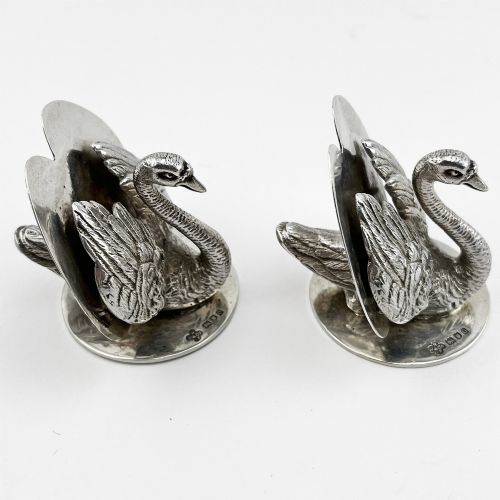
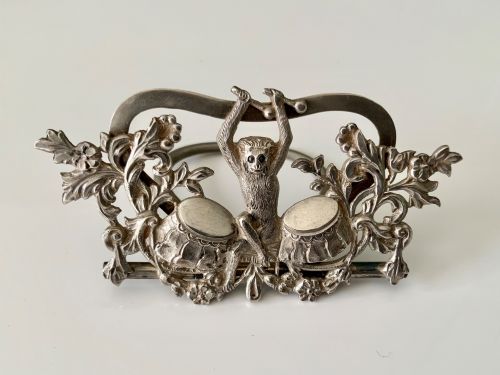
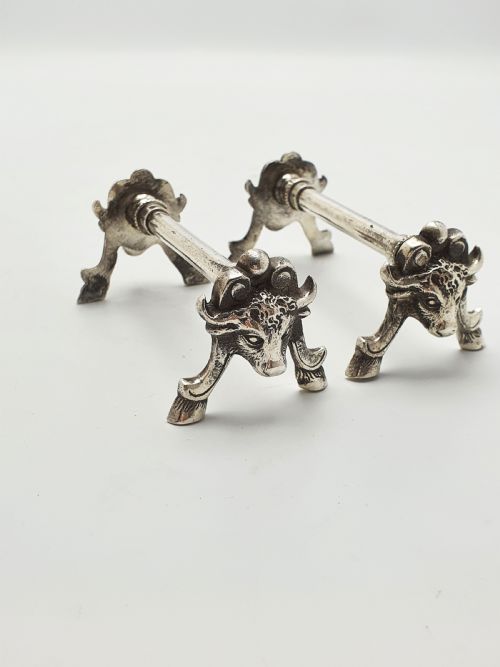
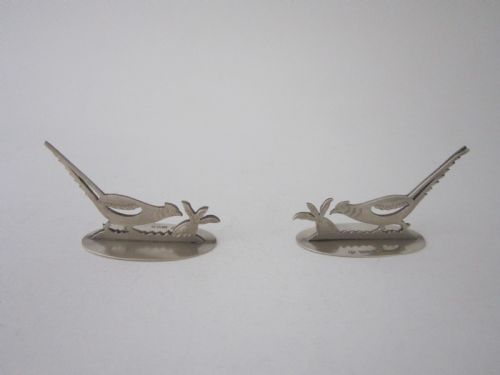
Napkin rings and knife rests dominate the available forms, often found in matched pairs or boxed sets intended for formal hospitality. Candlesticks and novelty menu holders shaped as animals, birds, or figures complete the typical domestic arrangement.
Materials and Techniques
Makers utilised solid sterling silver alongside silver plate and Old Sheffield plate, occasionally combining silver with enamel, mother-of-pearl, or copper. Linings inside presentation cases incorporate textiles such as silk, velvet, and leatherette to protect the metalwork.
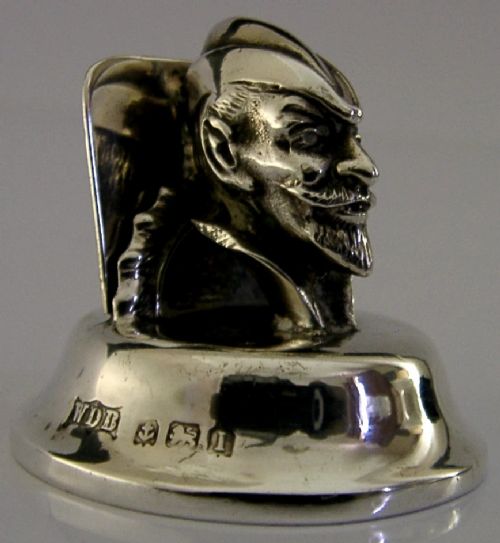
Manufacturing methods range from standard cast and chased sterling silver to detailed modelling seen in novelty menu holders and place card holders. Hallmarking provides direct evidence of the assay office, city, and year of production.
Silver Dining Table Decor Retail Price Guide 2026
Typical asking prices for silver dining table decor among the pieces listed under this phrase on Sellingantiques today, from the lower quarter to the upper quarter. They describe what is for sale here now, not the wider market.
Listings feature solid sterling silver and silver plate across Victorian, Edwardian, and twentieth-century periods, alongside materials like silk, leatherette, and mother-of-pearl.
Distinctions in Quality
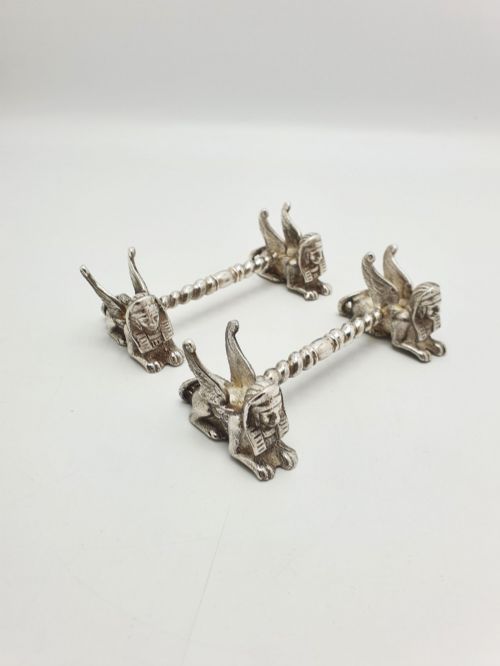
Quality rests upon the crispness of the modelling in figural pieces, such as sphinxes, bulls, and cockerels, where hand-finished detail distinguishes superior examples from standard production. The retention of original fitted presentation cases and the completeness of matched sets also alter the standing of a piece.
The weight of the silver and the clarity of hallmarks indicate the standard of manufacture. Maker attribution to notable workshops or guilds adds further distinction to established forms.
Mappin & Webb·Thomas Bradbury & Sons Ltd·Guild of Handicraft·Liberty
The Silver Dining Table Decor Glossary
- Sterling silver
- A silver alloy containing 92.5 percent pure silver by mass, forming the primary metal used for higher-grade dining table items. This standard is frequently confirmed by official town and date hallmarks.
- Menu holder
- A small desk-like or figural stand designed to hold printed dinner menus upright on the table. They frequently take novelty forms depicting animals, birds, or heraldic subjects.
- Knife rest
- A small horizontal support designed to keep carving or table knives raised above the tablecloth between courses. They appear in pairs or sets of four in silver, plated metal, and mother-of-pearl.
- Old Sheffield plate
- A composite material made by fusing a thin sheet of silver to a thicker copper base. This technique predates modern electroplating and appears on eighteenth-century and Georgian candlesticks.
- Spoon warmer
- A Victorian vessel designed to hold hot water for warming table spoons before serving sauces or soup. They often take imaginative novelty shapes such as nautilus shells.
Silver Dining Table Decor: Frequently Asked Questions
How were menu holders used?
Menu holders sat on the dining table to display the courses for formal meals. Guests read the card to anticipate upcoming dishes during multi-course dinners.
Hosts matched the theme of the holders to the menu or the season. They coordinated with place card holders to organise seating arrangements.
What are knife rests for?
Knife rests kept the blades and handles elevated above the linen tablecloth between courses. This prevented grease and food residue from staining the dining table.
Servants placed them beside plates for diners to rest their cutlery. They were essential accessories in Victorian and Edwardian dining rooms.
How do I clean silver table items?
Silver table items require gentle cleaning with specialised silver polish and a soft cloth to preserve the metal. Harsh abrasives can damage engraved details and remove antique patination.
Items containing enamel, velvet, or silk linings need extra care to avoid liquid damage. Regular dusting helps prevent heavy tarnish from accumulating.
How do I identify a period?
Periods are identified through official hallmarks stamped directly onto the silver, indicating specific assay offices and reigning monarchs. Stylistic cues such as Edwardian neoclassical lines or Art Deco geometry also date the piece.
Boxed sets often retain retailer labels or original case materials characteristic of specific decades. Comparing construction methods helps confirm the era of manufacture.