


Silver Desk Sculpture
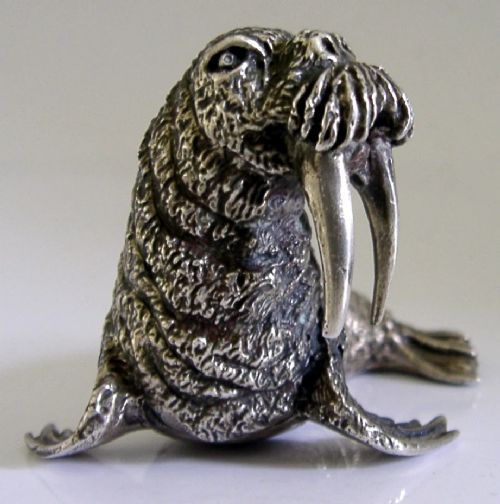
Silver desk sculpture brings character to a workspace, offering solid metal figures, animals and vehicles cast during the Edwardian and mid-century periods.
Silver Desk Sculpture
A silver desk sculpture serves as a functional ornament or decorative figure designed for a workspace, bringing animal studies, human figurines and mechanical models to a desktop.
The selections span from Edwardian inkstands and chess knight paperweights to Art Deco figures, racing greyhounds and aircraft models.
Origins stretch across British, French, Italian and Chinese workshops, capturing both naturalistic animalier subjects and modernist speed forms.
Materials and construction methods
Pieces utilise sterling silver, 830 silver, solid silver and silver plating shaped into detailed animal and vehicle figures.
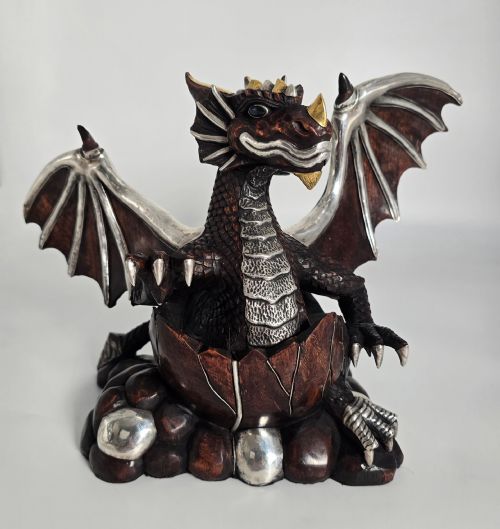
Mixed media constructions combine silvered bronze, bronze, spelter and aluminium mounted upon marble, onyx, wood and ebony bases.
Cold-painting and enamel techniques add colour and surface detail to figures, whilst heavy casting ensures stability for desk use.
Listings feature sterling silver, silvered bronze, spelter and aluminium combined with marble, onyx and wood.
Distinctions in quality
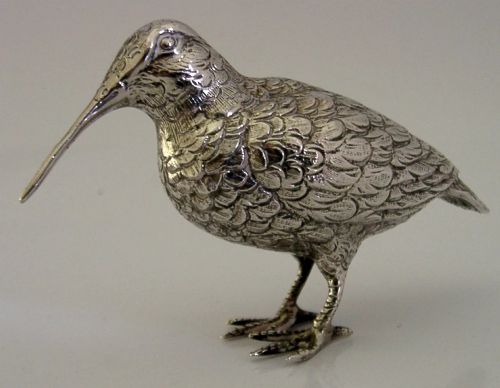
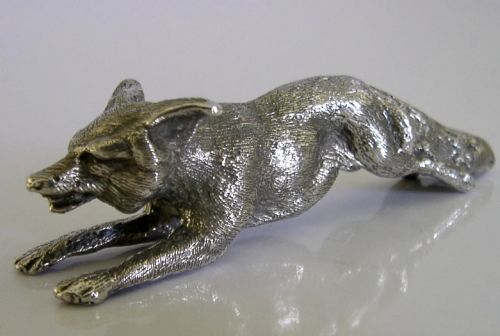
Superior examples display crisp chiselling and fine anatomical detail in fur, feathers and mechanical components, whereas lesser pieces lose definition in casting.
The integration of substantial stone or wood plinths, such as marble and black ebony, elevates the weight and structural balance of the sculpture.
Signed works by named modellers carry distinct artistic provenance that separates mass production from skilled studio craftsmanship.
Pierre Le Faguays·Josef Lorenzl·Louis Lejeune·Geo Maxim·Herzig·Antoine Bofill
The Silver Desk Sculpture Glossary
- Animalier
- A nineteenth and twentieth century artistic focus on the realistic portrayal of animals. Sculptors capture wild and domestic creatures in motion or repose.
- Cold-painted bronze
- A process where bronze sculptures are painted with cold enamel colours rather than fired in a kiln. This finish requires careful handling to preserve the paint layers.
- Spelter
- An alloy of zinc and lead used as a cheaper alternative to bronze. It takes plating well to simulate silver or bronze finishes.
- Inkstand
- A desk stand holding inkwells, pens and sometimes a sander. These pieces combine utility with sculptural silver or ceramic forms.
- Silver gilt
- Silver covered with a thin layer of gold, also known as vermeil. This technique provides the warmth of gold over a silver base.
Silver Desk Sculpture: Frequently Asked Questions
What is a silver desk sculpture?
A silver desk sculpture is a small decorative or functional metal object placed on a writing table or workspace. These pieces include animal figures, transport models and human figurines.
They function as paperweights, inkstands, trophies or purely decorative ornaments. Most date from the Edwardian era through the mid-century period.
How do I identify Art Deco pieces?
Art Deco desk pieces often feature stylised figures, racing greyhounds, dancers and aircraft like seaplanes. They frequently combine silvered bronze with contrasting marble or onyx bases.
The design aesthetic prioritises clean geometric lines, speed and stylised movement typical of the nineteen-thirties.
Were these items meant to be used?
Many items combined sculpture with practical desk accessories such as inkstands, folding chairs, blotters and paperweights. They served both as functional office tools and decorative statements for professional spaces.
Others were purely commemorative, functioning as trophies or presentation models for events like motor races and flying competitions.
What materials are used besides silver?
Makers frequently paired silver and silver plating with bronze, cold-painted bronze, spelter and aluminium. Bases were constructed from marble, onyx, wood and black ebony.
Enamel was occasionally applied to metal surfaces for added colour and decorative contrast.