
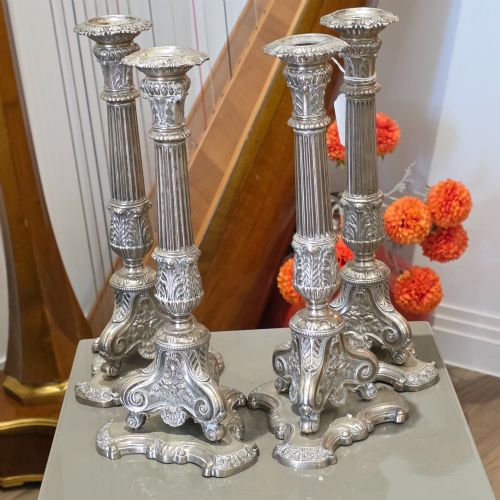
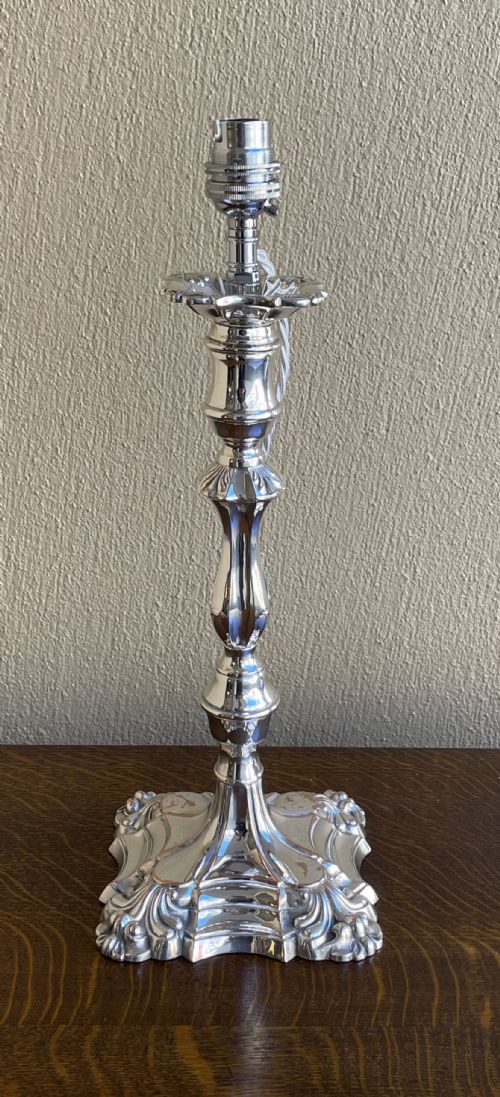


Silver Desk Candlesticks
Silver desk candlesticks are compact pieces designed for writing desks and tables, bringing focused illumination and period character to small working spaces.
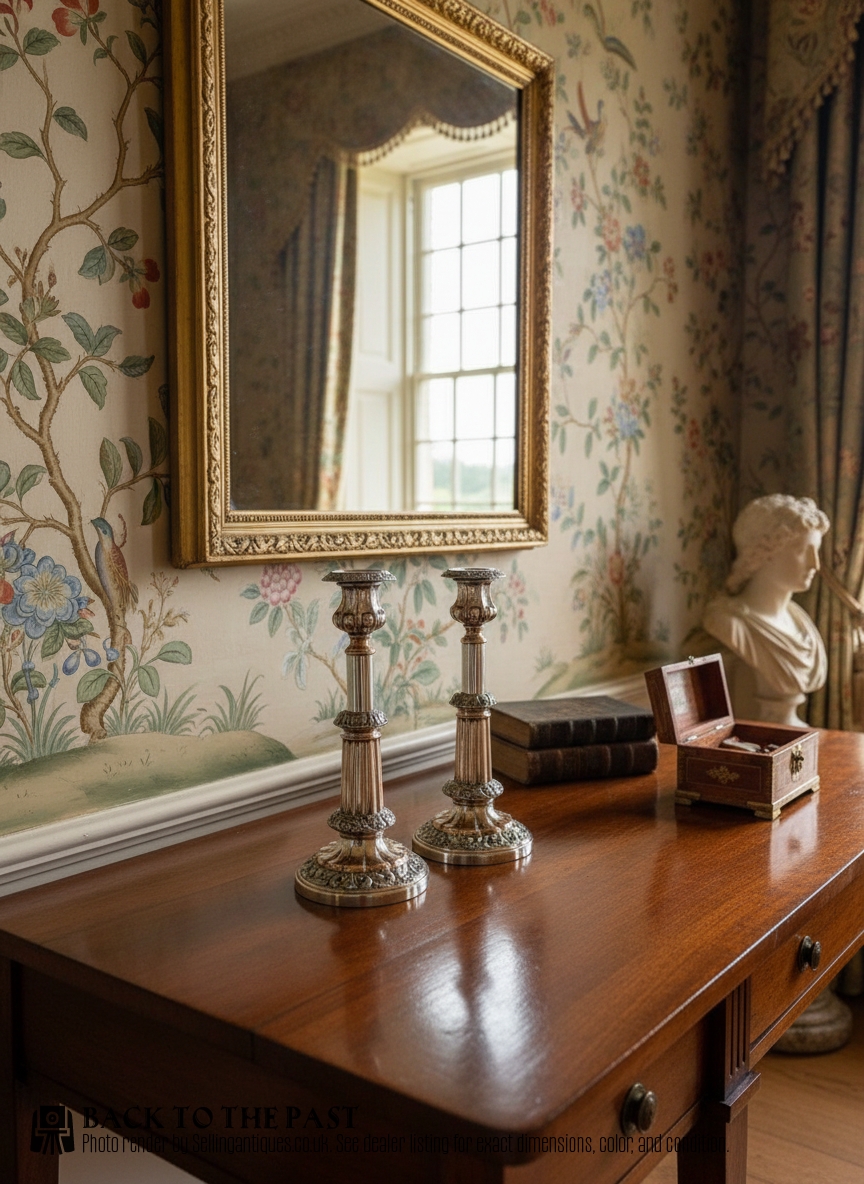
Silver Desk Candlesticks
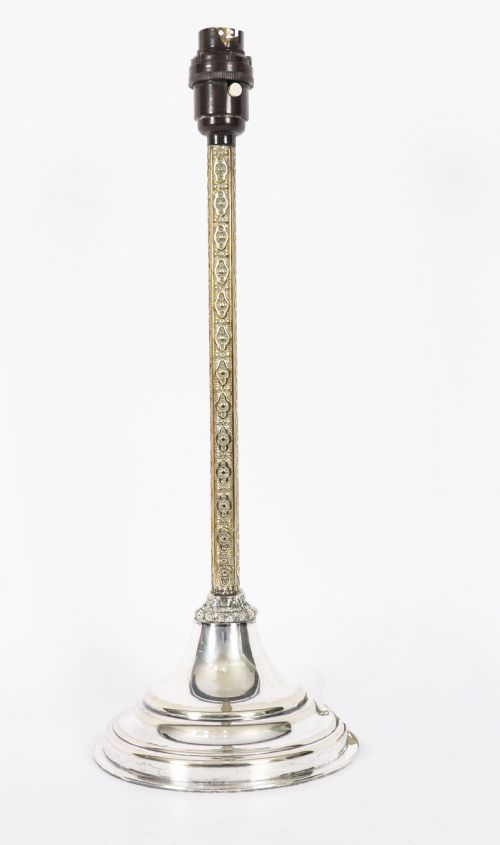
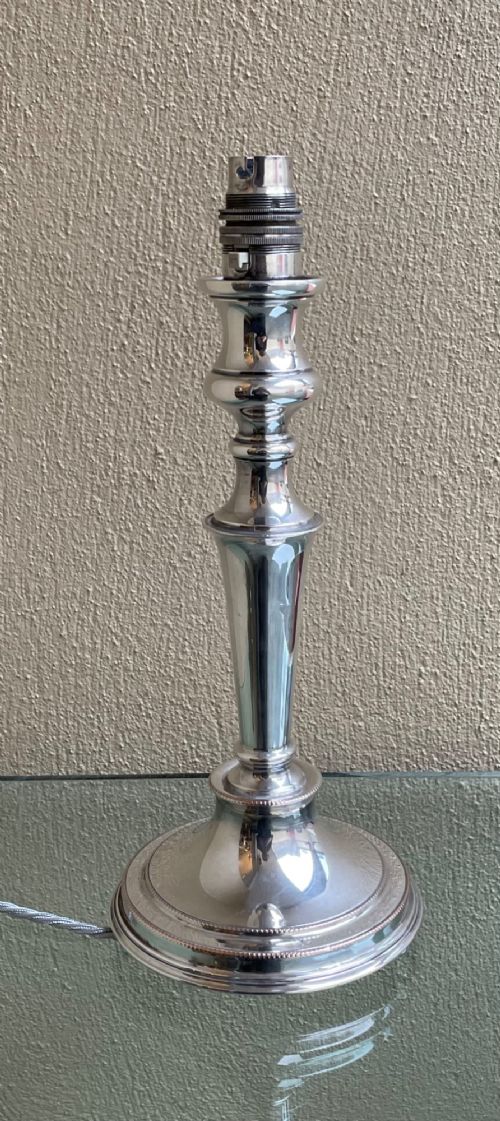
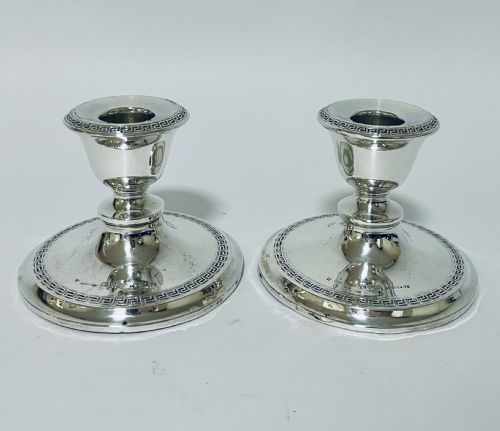
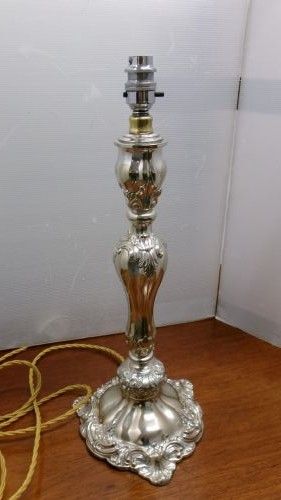
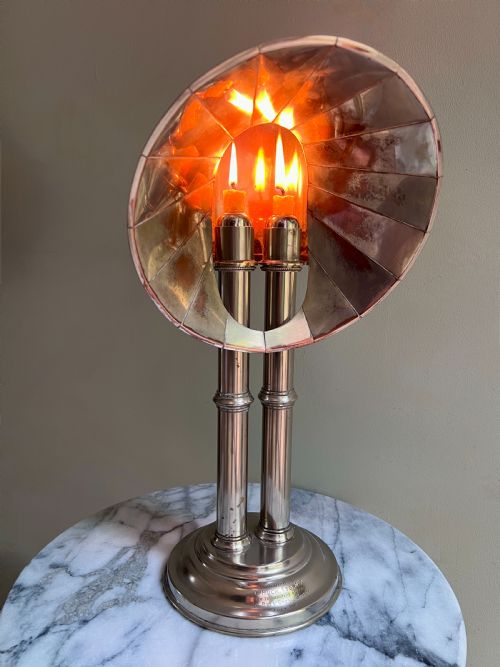
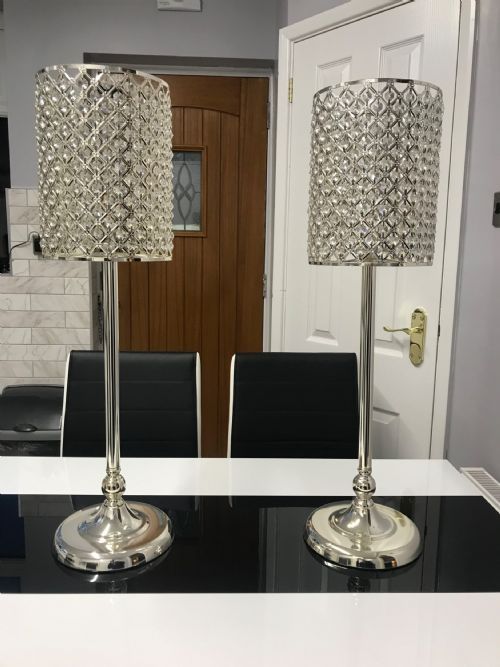
Silver desk candlesticks comprise smaller lighting pieces and desk accessories created to sit comfortably upon writing surfaces, tables and bureau tops. The selections here include Edwardian and Victorian examples alongside related items like chambersticks, desk stands and table lamps.
The most frequent items met on this page date from the nineteenth and early twentieth centuries, spanning periods such as the Victorian and Edwardian eras. Makers and manufacturers produced both single candlesticks and paired pieces, often incorporating column forms or weighted bases suited for daily use.
Beyond standard candlesticks, the listings encompass functional accessories including inkwells, tapersticks and reading lamps. These objects reflect the changing lighting needs of private studies and offices across successive British and European decorative periods.
Materials and Construction Techniques
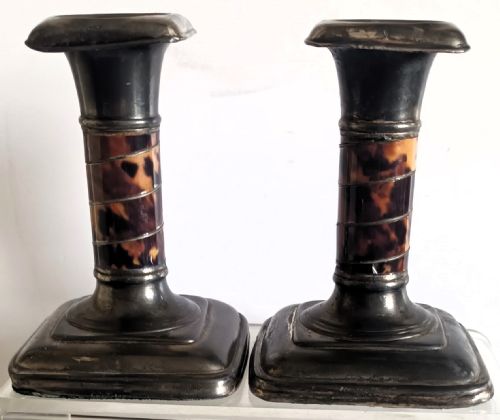
Makers utilised solid sterling silver, silver plate over base metals such as brass or copper, and occasionally mixed materials like horn, tortoiseshell, walnut and fabric. Plated pieces frequently employed Sheffield plating or electroplating techniques to achieve a durable metallic coating.
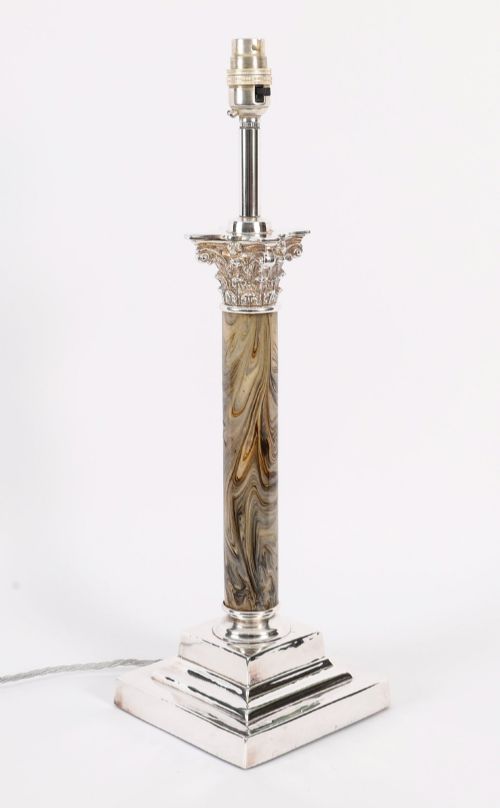
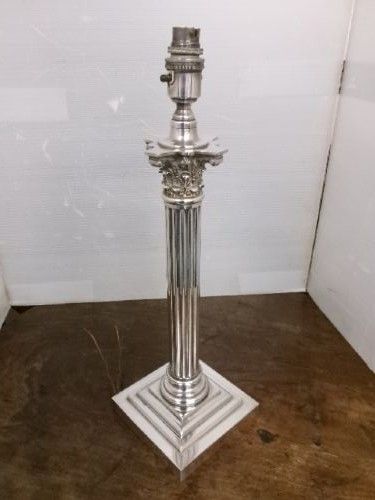
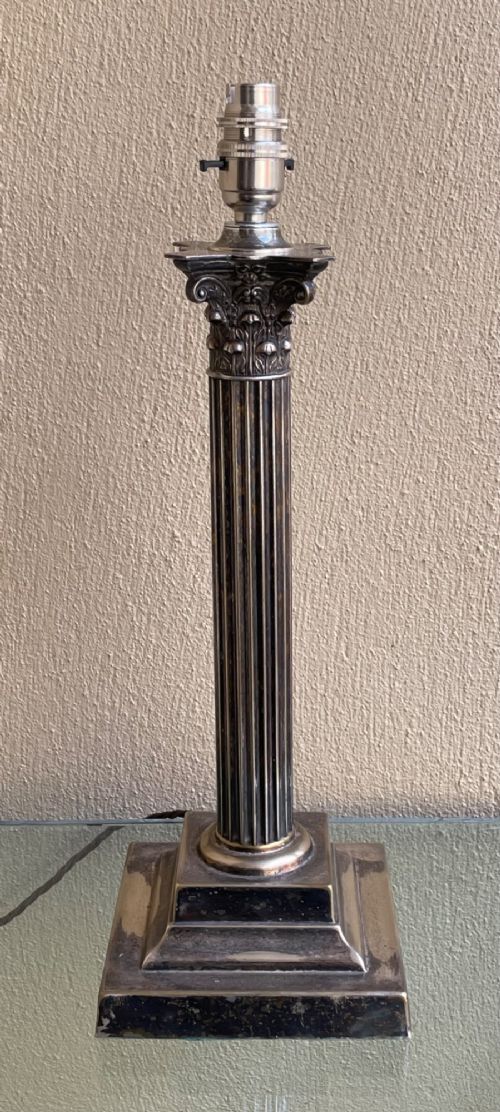
Cast components, seamed construction and applied ornamentation defined the structural approach of nineteenth-century workshops. Columns, Corinthian capitals and weighted bases required precise metalworking skills to ensure stability on a desk.
Listings feature periods spanning from the eighteenth century through the 1960s, incorporating silver plate, sterling silver, brass, copper, horn and tortoiseshell.
Assessing Quality and Execution
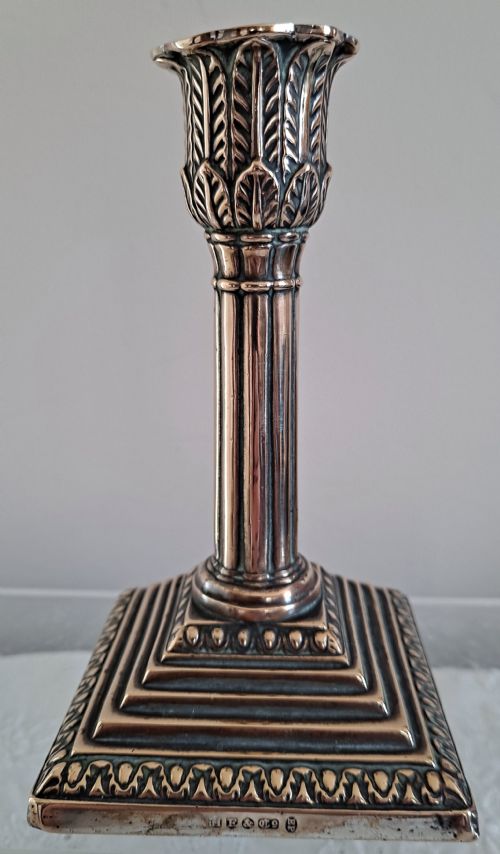
Quality rests upon the crispness of the cast detailing, particularly in classical motifs such as Corinthian capitals, reeded columns and lion's paw feet. Finer pieces demonstrate sharp definition that survives decades of polishing.
The integrity of the construction and the quality of the underlying metalwork dictate the standard of execution. Substantial weight, balanced proportions and maker marks or hallmarks signify higher workshop standards.
Conrad Eduard Mappe·Mappin & Webb·Marson & Jones·Harrison Brothers & Howson·Veritas Lamp Works·Walter Latham & Son·Goldsmiths·Barker Ellis·Palmer & Co·David Green
The Silver Desk Candlesticks Glossary
- Chamberstick
- A low candlestick fitted with a pan to catch dripping wax and a loop handle for carrying from room to room.
- Taperstick
- A miniature candlestick designed specifically to hold a thin wax taper used for melting sealing wax on correspondence.
- Corinthian Column
- A classical architectural column form featuring ornate acanthus leaves on the capital, frequently utilised for tall candlesticks and desk lamps.
- Sheffield Plate
- An early method of fusing a thin sheet of silver to a thicker copper ingot before rolling and forming into objects.
- EPNS
- Electroplated Nickel Silver, a common nineteenth-century manufacturing process where a silver coating is applied to a base metal via an electrical current.
Silver Desk Candlesticks: Frequently Asked Questions
What is the difference between a desk candlestick and a chamberstick?
A desk candlestick stands independently on a flat surface to illuminate a writing area without requiring a carrying handle. In contrast, a chamberstick includes a saucer base and a loop handle designed for moving the light safely by hand.
While both appear in nineteenth-century studies, their intended functions shaped their silhouettes. Desk versions prioritize stable, weighted bases while chambersticks prioritize portability.
How do I care for silver plated desk candlesticks?
Care requires gentle cleaning with a soft cloth and a specialised silver polish formulated to preserve thin plated layers. Avoid abrasive cloths or aggressive scrubbing that can wear through the silver coating down to the base metal.
Regular, light dusting keeps tarnish at bay without requiring harsh chemical interventions. Storing pieces away from damp environments prevents corrosion of the underlying copper, brass or pewter.
Were these pieces used for lighting or decoration?
Most pieces served a purely functional role in lighting dark rooms, sealing letters with wax, or reading manuscripts before the widespread adoption of electric lighting. Desk workers relied on these adjustable or low-profile lights for evening tasks.
Over time, many survived as decorative accessories even as oil and electric lamps replaced candlelight. Their utility evolved from primary light sources to desk ornaments.
How can I tell a Victorian piece from an Edwardian one?
Victorian examples often favour heavy neoclassical revivals, ornate casting, and complex Corinthian column designs with rich ornamentation. Edwardian pieces frequently lean towards simpler, cleaner lines reflecting changing domestic tastes at the start of the twentieth century.
Examining hallmarks, registry marks, and inscribed dates helps confirm the exact manufacturing period. Stylistic shifts between the mid-nineteenth century and 1910 provide reliable visual clues.