

Silver Decorative Plate
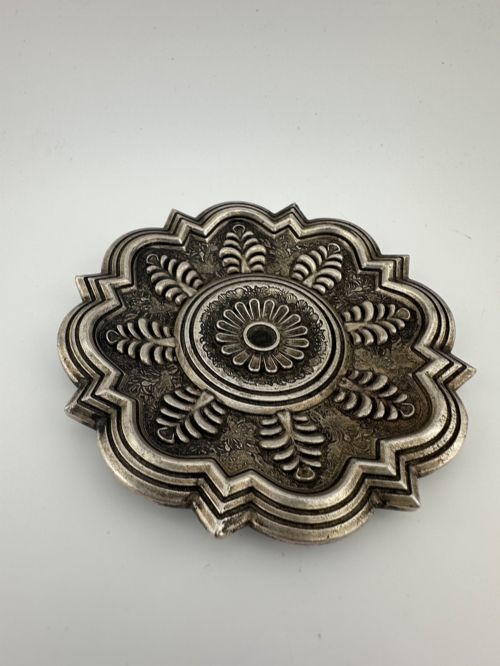
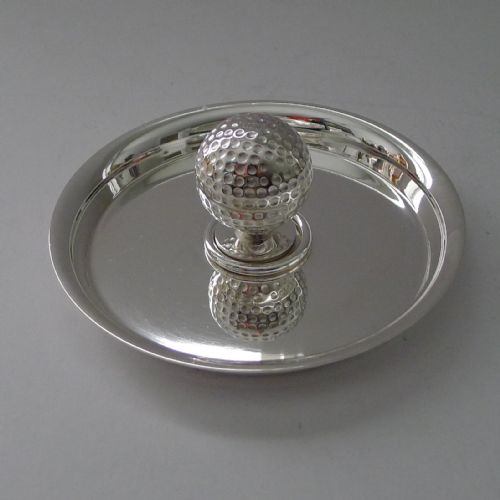
A silver decorative plate brings metalwork, glass and ceramic into domestic spaces with form and texture shaped by Victorian, Edwardian and mid-century makers.
Silver Decorative Plate
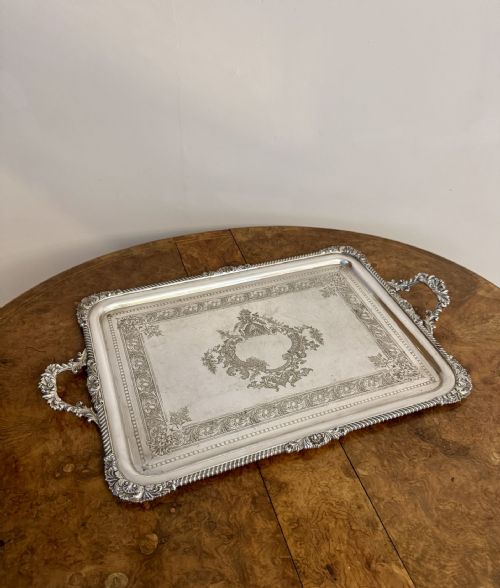
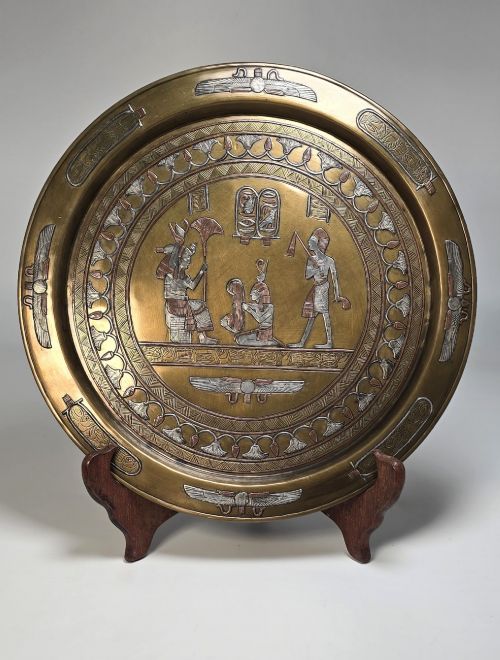
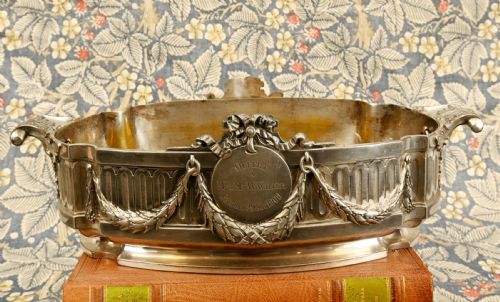
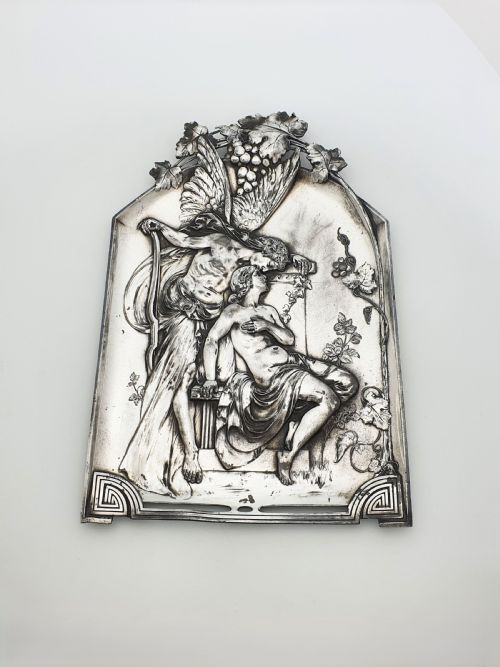
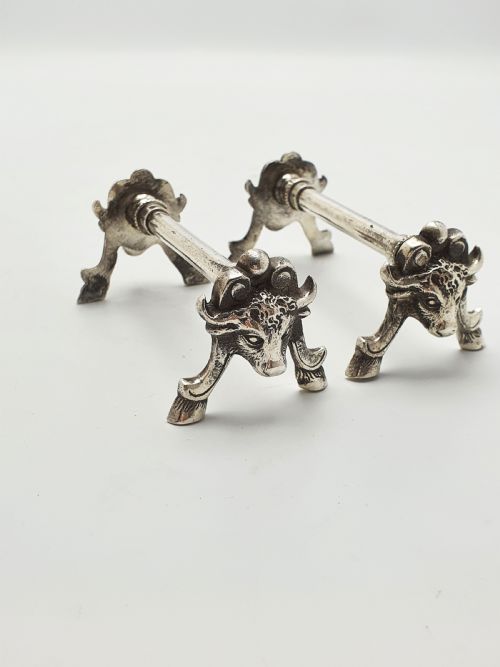
When searching for a silver decorative plate, collectors encounter a varied grouping of flatware, chargers, wall plaques and serving vessels spanning the nineteenth and twentieth centuries.
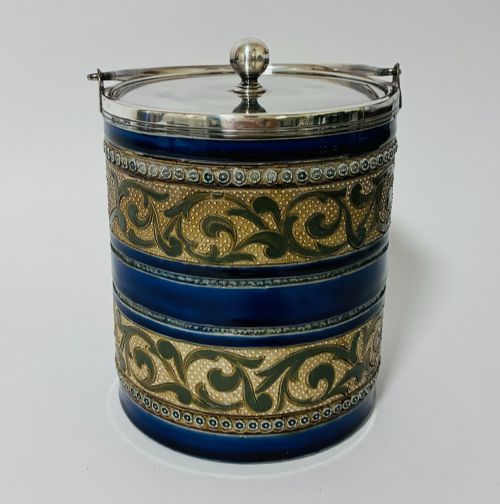
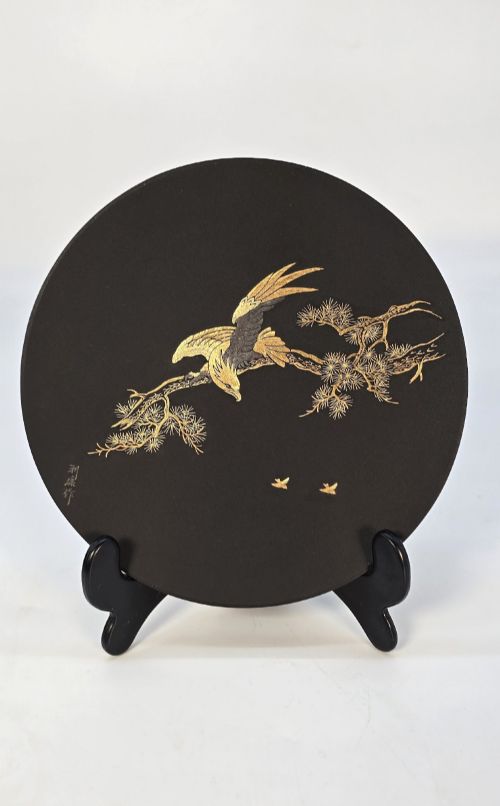
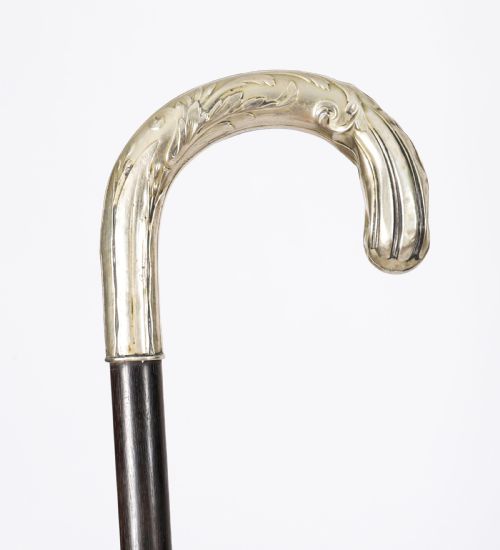
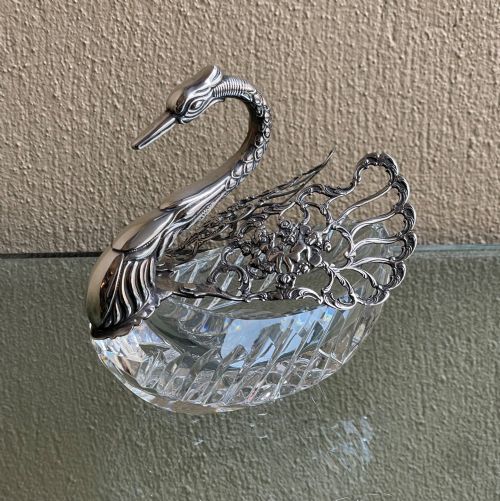
The objects frequently combine silver plate or sterling silver with materials such as cut glass, bronze, copper and ceramic, reflecting styles from Neo-Classical and Rococo Revival to Art Nouveau and Art Deco.
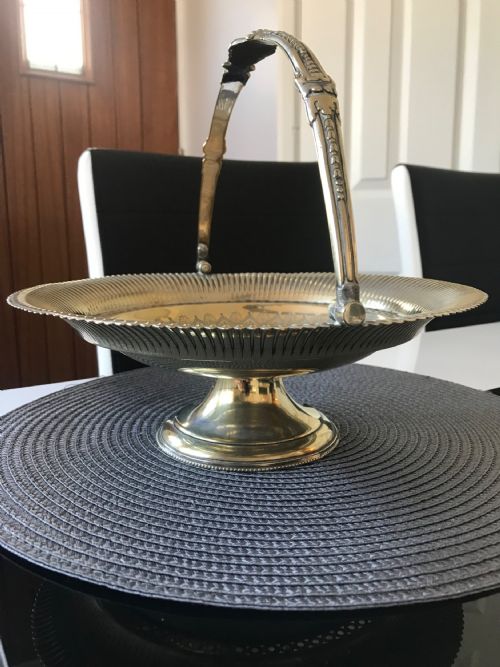
Originating from British, French, Middle Eastern and Asian workshops, these pieces function primarily as ornamental table pieces, trays and display chargers rather than standard dining utensils.
How They Were Made
Makers utilised silver plating over base metals including copper, brass, bronze and white metal, alongside solid sterling silver and pewter components.
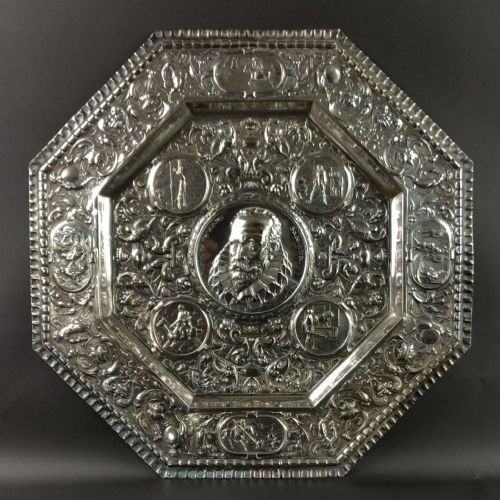
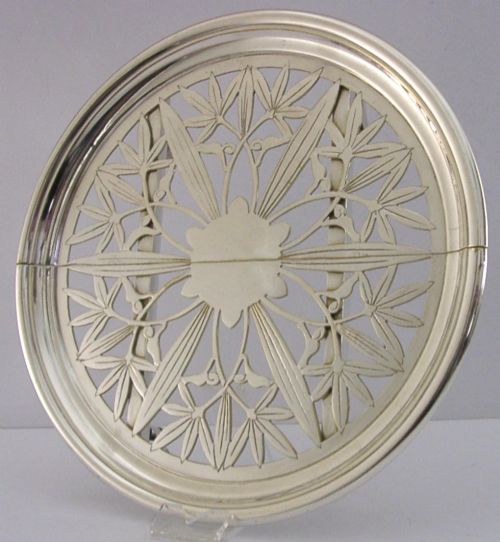
Techniques recorded across the pieces include repoussé work, hand-chasing, metal inlay, electrotyping and pierced metalwork, often paired with cut or moulded glass inserts.
What Varies in Quality
Quality rests in the crispness of the hand-chased relief work and the depth of the repoussé detailing across the metal surface.
Superior examples display balanced proportions, integrated mounts and substantial weight in the underlying bronze, copper or silver-plated foundation.
Hermes Paris·Christofle·WMF·Hardy Brothers·Tiffany And Co·Elkington And Co·Hukin And Heath·Valenti Barcelona
The Silver Decorative Plate Glossary
- Repoussé
- A metalworking technique where the artisan hammers the design from the reverse side to create raised relief on the front. This method defines the decorative surface of many chargers and wall plaques.
- Electrotype
- A replica or object produced through an electrolytic deposition of silver over a mould. This process allowed Victorian makers to achieve remarkable sculptural detail.
- Charger
- A large ornamental plate or platter typically displayed on a wall or sideboard rather than used for dining. These pieces often feature elaborate figural or floral motifs.
- Old Sheffield Plate
- An early fusing technique where a thin sheet of silver is fused to a thicker copper core by heat and pressure. It precedes modern electroplating.
Silver Decorative Plate: Frequently Asked Questions
Can I use these plates for serving food?
Most decorative plates, chargers and wall plaques are intended for display and ornamental use rather than active dining. Trays and salvers represent exceptions designed for carrying items.
Check the surface condition and plating integrity before placing any food items directly onto older metalware to ensure safety and prevent tarnishing.
How do I date a silver plated piece?
Examine the style of the decoration, such as Art Nouveau floral motifs or Neo-Classical symmetry, alongside any stamped maker marks or registry numbers. Different plating techniques also indicate specific eras.
Consult design characteristics and comparative maker records from nineteenth and twentieth-century production archives to narrow down the manufacturing window.
How should I display a heavy metal charger?
Heavy chargers and wall plaques require sturdy, professionally rated wall brackets or secure plate stands designed to support substantial bronze and copper weights. Ensure the wall fixing is secure.
Position pieces away from direct sunlight and damp environments to protect patinated surfaces, inlays and associated glass or ceramic components from deterioration.