


Silver Condiment Holder
These silver condiment holder pieces bring dining table organisation from the eighteenth, nineteenth, and early twentieth centuries into modern homes.
Silver Condiment Holder
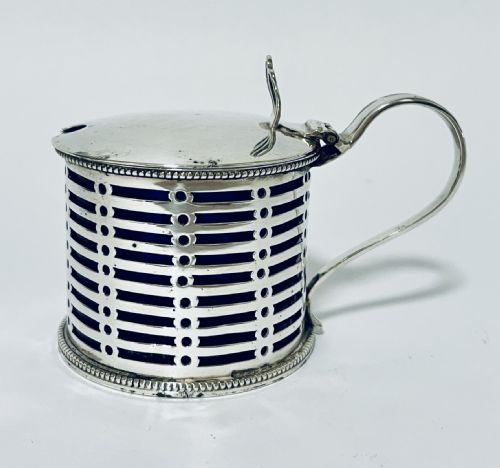
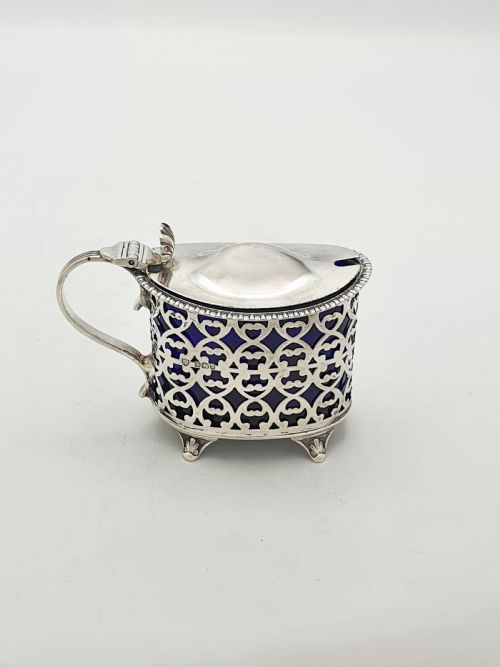
A silver condiment holder serves as a tabletop frame or vessel designed to keep dining seasonings organised and accessible during meals. When exploring this selection, buyers encounter various forms including cruet sets, mustard pots, preserve dishes, and condiment stands.
The objects on this page span several distinct periods, drawing from eighteenth-century George III pieces, Victorian designs, Edwardian creations, and nineteen-twenties items. Origins encompass English craftsmanship alongside diverse stylistic expressions like Victorian novelty and Art Deco.
Most pieces likely to be met on this page are Edwardian and Victorian silver plated cruet sets or individual mustard pots featuring glass liners. Buyers also find larger six-bottle cruet frames and walnut sauce holders with wirework stands.
How They Were Made
Maker construction relies heavily upon combinations of silver, silver plate, and brass combined with clear, blue, cranberry, and ruby red glass inserts. Cut glass bottles and jars fit securely into metal frames formed through piercing, wirework, and silver mounting techniques.
Wooden elements also appear, such as ebonised stands and walnut frames that provide structural support for the metal and glass components. Makers integrated handles and fitted stoppers to complete the functional tableware service.
Victorian makers occasionally turned condiment storage into amusing conversation starters with figural novelty cruet sets.
What Varies In Quality
Quality differences emerge through the intricacy of metalwork decoration, such as fine piercing on mustard pots or elaborate wirework on sauce holder stands. The presence of matching original glass liners, whether ruby red, cranberry, or blue, influences the integrity of a set.
The distinction between solid sterling silver and silver plate alters the material weight and character of each piece. Maker attribution, visible through specific maker marks or registered design dates from the nineteenth century, marks out superior examples.
Hester Bateman·Wade Wingfield Wilkins
The Silver Condiment Holder Glossary
- Cruet set
- A matched collection of bottles, jars, or pots held within a single stand for oils, vinegars, and sauces at the dining table.
- Mustard pot
- A small container with a fitted lid and often a glass liner, designed specifically to hold prepared mustard.
- Silver plate
- A base metal manufacturing technique where a thin layer of silver coats an underlying metal such as brass or copper.
- Cranberry glass
- A rich pinkish-red glass created by adding gold chloride to the molten glass batch during the manufacturing process.
- Wirework
- Metal manipulated into openwork linear patterns, frequently utilised for lightweight frames and baskets in the Victorian period.
Silver Condiment Holder: Frequently Asked Questions
What is a silver condiment holder used for?
These pieces held essential table seasonings, oils, vinegars, and sauces during formal dining throughout the Georgian, Victorian, and Edwardian eras. They kept individual condiments organised together on a central stand for guests to serve themselves.
Today, they function as decorative tableware or serve practical purposes for hosting dinner parties with vintage kitchenware.
How do I clean a silver condiment holder?
Maintenance requires gentle cleaning suitable for silver plate or sterling silver, avoiding harsh abrasives that might damage delicate metal surfaces. Glass liners and bottles lift out easily for washing in warm soapy water.
Keeping the metal dry after cleaning prevents tarnishing and preserves the polished finish of the frame.
How can I tell a Victorian piece from an Edwardian one?
Victorian examples often display heavier, more ornate decoration, sometimes featuring elaborate novelty designs or dark walnut and ebonised woods. Edwardian pieces tend toward lighter silver plated frames with delicate piercing and clear or cranberry glass.
Checking registration dates or maker marks helps confirm the precise period of manufacture.
Are glass liners usually original to the set?
Finding matching original glass liners, particularly in coloured varieties like cranberry or ruby red, adds historical completeness to a cruet set. Replacements do occur due to breakages over centuries of use.
Inspecting the fit and glass type helps determine whether the liners match the age of the metal frame.
Can I use these on a modern dining table?
These holders adapt well to contemporary dining settings, providing a functional centrepiece for serving sauces, mustards, or preserves. Their historic materials and craftsmanship introduce character to modern kitchen and dining room decor.
Careful handling ensures these antique table accessories remain usable for daily dining or special occasions.