




Silver Communion Plates
Silver communion plates are sacred vessels crafted in precious metals and durable plates, bringing historic ecclesiastical devotion directly into your home.
Silver Communion Plates
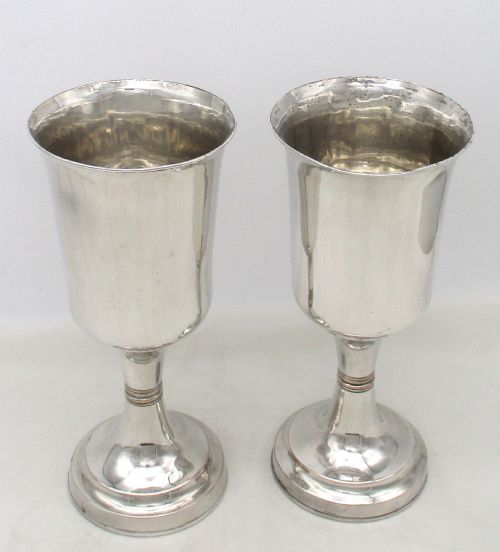
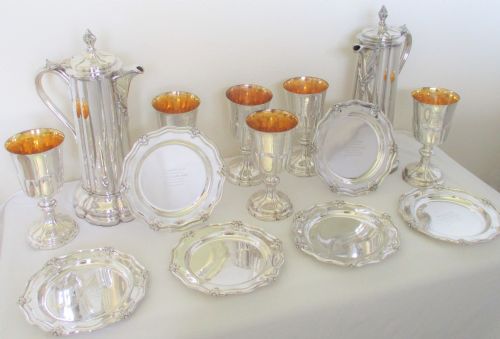
Silver communion plates encompass a range of sacred vessels and related altar items spanning several centuries of ecclesiastical manufacturing. When exploring silver communion plates, collectors encounter diverse forms including chalices, flagons, loving cups, and patens.
The pieces appearing on this page extend from the eighteenth century into the late nineteenth century, reflecting stylistic shifts from Georgian simplicity through to Victorian Gothic revivalism. Most examples utilise silver plate or Old Sheffield Plate, though solid silver specimens occasionally emerge.
Makers such as George Cooper and Elkington Mason represent the craftsmanship found within these ecclesiastical groupings. Buyers frequently discover pairs of chalices or complete boxed communion sets alongside individual dishes and flagons.
Materials and construction methods
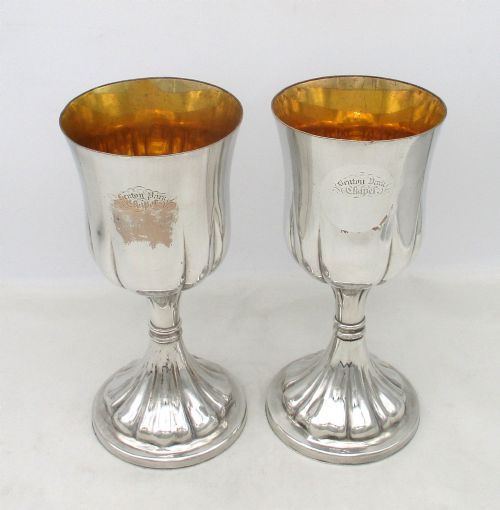
Makers utilised solid silver, silver plate, and Old Sheffield Plate, often applying gold gilding or gold gilt to the interior surfaces of vessels. Old Sheffield Plate involves fusing a thin layer of silver to a copper base, creating durable vessels with distinct metallic warmth.
Electroplated nickel silver appears in later nineteenth-century pieces, replacing older plating techniques with uniform metallic coatings. Artisans shaped copper and silver through raising and soldering, finishing pieces with applied ecclesiastical decoration appropriate for Victorian or Georgian worship.
Silver Communion Plates Retail Price Guide 2026
Typical asking prices for silver communion plates among the pieces listed under this phrase on Sellingantiques today, from the lower quarter to the upper quarter. They describe what is for sale here now, not the wider market.
Listings span the eighteenth and nineteenth centuries, featuring materials such as Old Sheffield Plate, copper, solid silver, and gold gilding.
Distinguishing quality factors
The calibre of a piece rests upon the weight of the metal, the crispness of chased or engraved ecclesiastical detailing, and the integrity of the underlying base metal. Superior examples retain their original gold gilt interiors and show minimal wear to the silver plating.
Boxed sets with fitted interiors and complete components demonstrate higher original commissioning status than individual stray vessels. Furthermore, pieces bearing identified maker marks or traceable ecclesiastical origins hold greater documentary interest for collectors.
George Cooper·Elkington Mason
The Silver Communion Plates Glossary
- Old Sheffield Plate
- An early method of fusing silver to a copper core by heat and pressure. This technique predates nineteenth-century electroplating and yields a rich depth of metal.
- Paten
- A small plate or dish used during the Eucharist for holding the bread. Older examples in solid silver were often fashioned by regional silversmiths.
- Gilt
- A thin application of gold applied to the interior or exterior surface of a metal vessel. This finish protected the underlying silver from sacramental wine.
- Flagon
- A large vessel utilised to hold sacramental wine before it is poured into individual chalices. These pieces often feature hinged lids and sturdy handles.
- Loving Cup
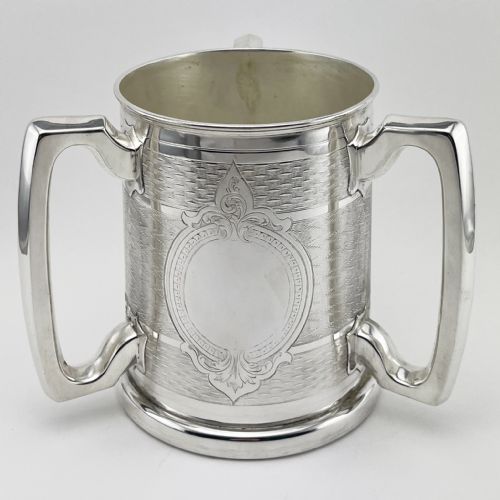
- A large two-handled drinking vessel sometimes adapted for ecclesiastical use. Victorian iterations frequently display substantial chased ornamentation.
Silver Communion Plates: Frequently Asked Questions
What is Old Sheffield Plate?
Old Sheffield Plate is an early composite material created by fusing a sheet of silver to a thick copper ingot. This method was widely used before nineteenth-century electroplating became standard.
Items made this way display subtle hints of copper where the silver layer has thinned through generations of gentle polishing.
How are these vessels cleaned safely?
Historic silver and plated items require minimal intervention to preserve their underlying finish and any surviving gilt interiors. Gentle dusting with a soft cloth is usually sufficient for display pieces.
Avoid aggressive commercial dips or abrasive polishes, particularly on plated items where the base metal might become exposed.
Why are some interiors gold?
Gilding the inside of chalices and patens protected the silver from tarnishing when exposed to acidic sacramental wine. This technique ensured the metal remained hygienic and visually striking during services.
Many surviving nineteenth-century pieces retain traces of this original gold wash inside their bowls.
How do I date a piece?
Dating relies upon stylistic markers, manufacturing techniques, and any inscribed dates or maker marks. Georgian pieces often display restrained elegance, while Victorian items lean towards ornate Gothic revival motifs.
Plate manufacturing methods also changed significantly around the middle of the nineteenth century with the introduction of electroplating.