
Silver Casket Box
When you handle a silver casket box, you hold a tangible piece of domestic history shaped for keepsakes, vanity items and tobacco.
Silver Casket Box
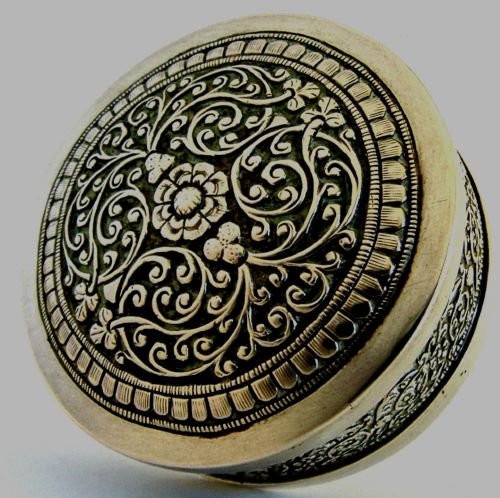
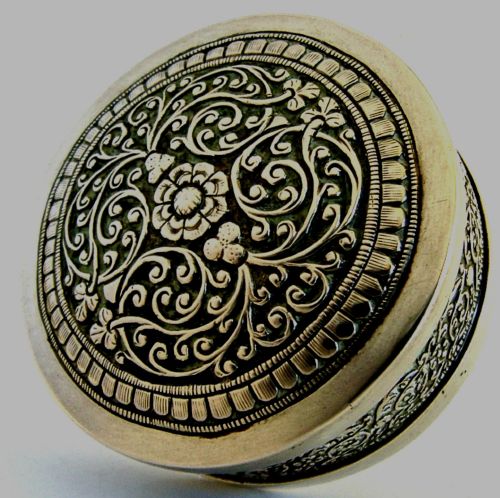
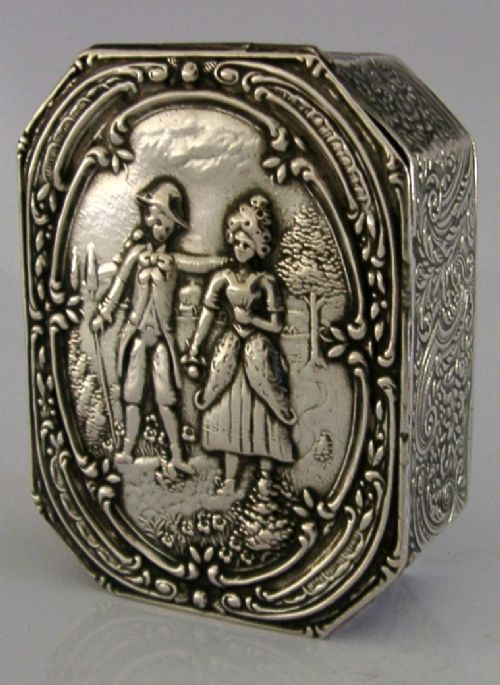
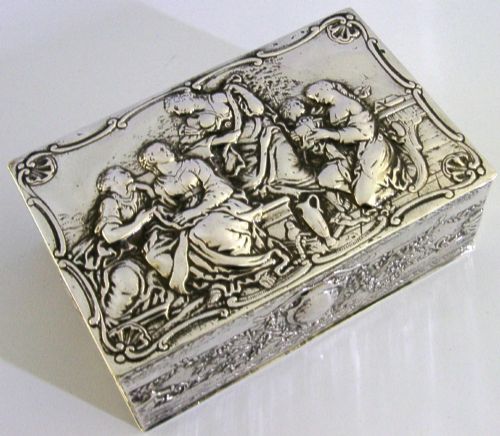
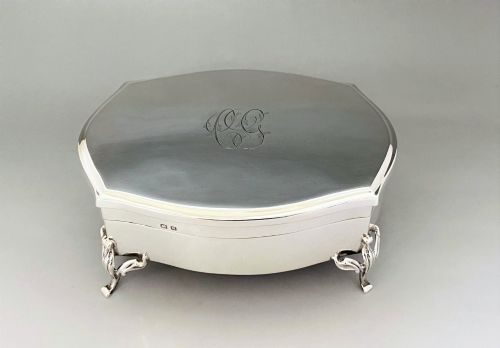
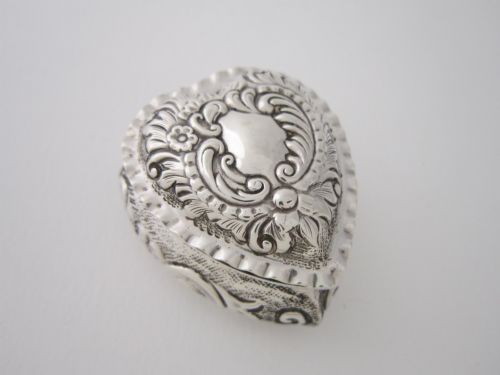
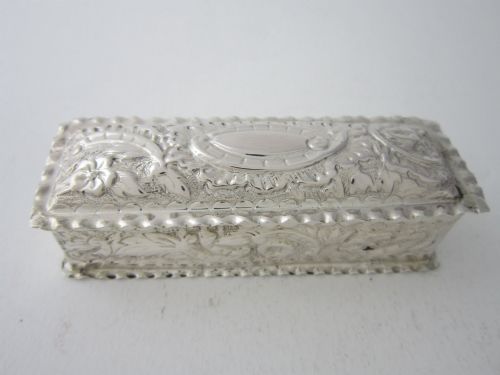
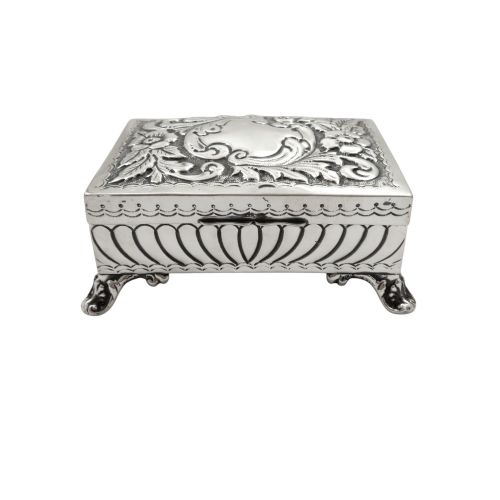
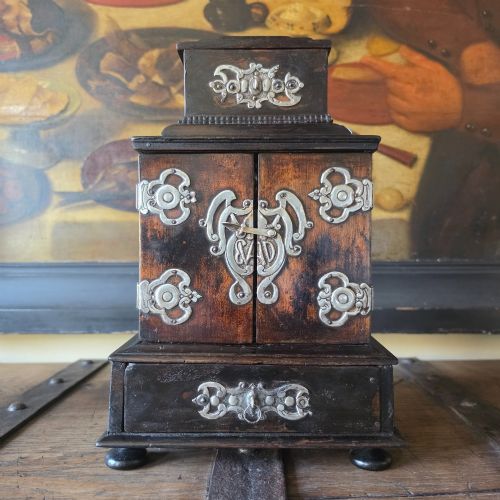
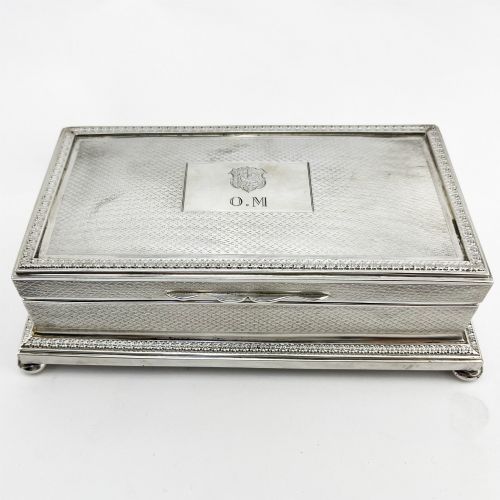
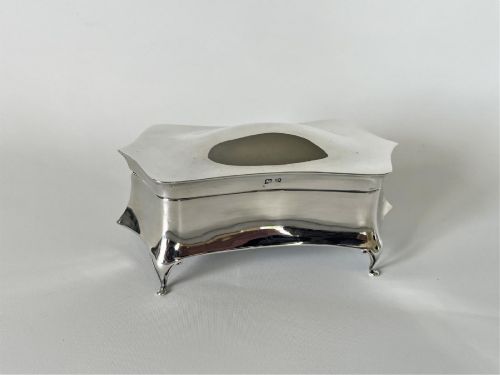
A silver casket box serves primarily as a receptacle for jewellery, trinkets, cigarettes or dressing table accessories, appearing across periods from the late Victorian era through the mid-twentieth century. The phrase encompasses everything from small heart-shaped trinket boxes to substantial dressing table caskets and table boxes.
On this page, a buyer encounters pieces originating from English makers in Birmingham and London, alongside continental European items like German Hanau pieces and Danish silver boxes. Forms range from simple rectangular receptacles to elaborate Rococo Revival and Art Deco designs.
Many examples function as vanity table containers lined with silk or velvet, whilst others incorporate fitted interiors for cigarettes or playing cards. The variety reflects personal grooming and domestic storage habits of the nineteenth and twentieth centuries.
Materials and construction
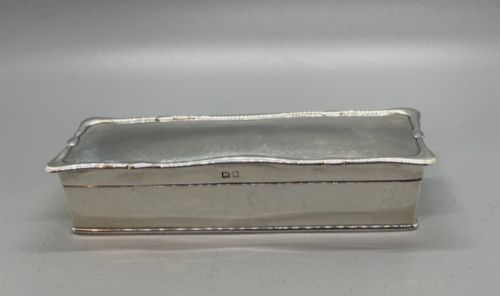
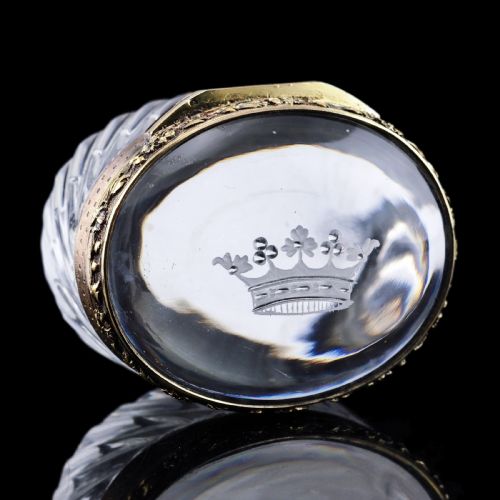
Makers constructed these pieces principally using sterling silver, solid silver, and silver gilt, frequently combining metal with organic materials like tortoiseshell, oak, crystal, and enamel. English examples often bear Birmingham or London hallmarks that indicate the assay office and year of production.
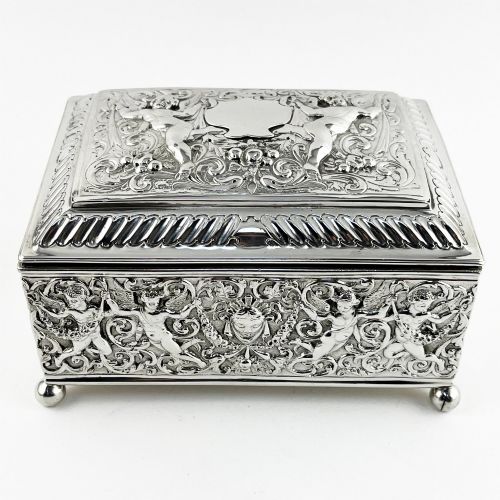
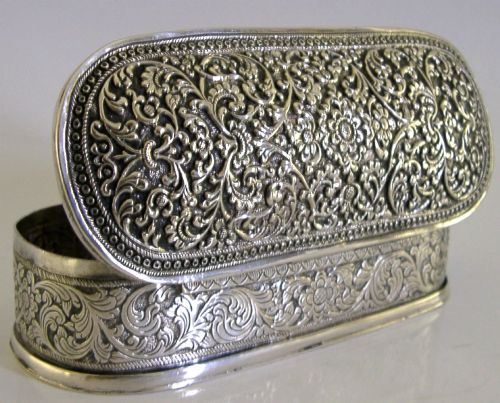
Craftsmen utilised techniques such as piercing, repoussé, and electroforming to decorate the exterior surfaces with floral, scroll, or geometric motifs. Interiors commonly feature gilt linings or fitted wooden compartments lined with plush fabrics to protect delicate contents.
The listings feature solid silver, tortoiseshell, and enamel materials across Victorian, Edwardian, and Art Deco styles.
Markers of distinction
The weight of the metal and the substance of the construction separate everyday items from superior examples, with heavier pieces offering greater structural integrity. Superior craftsmanship reveals itself in crisp detail on chased or repoussé decoration and the smooth action of hinges and clasps.
The inclusion of scarce secondary materials, such as pique-work tortoiseshell, fine guilloché enamel, or fitted crystal glass interiors, elevates an item's standing. Maker attribution to notable workshops adds a layer of distinction to the physical qualities of the object.
William Comyns·A & J Zimmerman Ltd·William Hutton·Mappin & Webb·Wang Hing & Co·H. Matthews·J W Tiptaft
The Silver Casket Box Glossary
- Hallmark
- Official stamps applied to precious metals indicating the standard of purity, the assay office, and the year of manufacture. These marks provide the primary means of dating English silver boxes.
- Repoussé
- A metalworking technique where the artisan hammers the design from the reverse side to create a raised relief on the front. This method frequently decorates Victorian and Edwardian dresser boxes.
- Silver Gilt
- Silver that has been coated with a thin layer of gold on its surface, often used to line the interior of boxes. This treatment protects the silver from tarnish caused by cosmetics or tobacco.
- Tortoiseshell
- The mottled brown and amber shell of certain turtle species utilised as decorative panels on nineteenth and twentieth-century boxes. It is often inlaid with silver piqué work.
- Trinket Box
- A small container designed for holding rings, pins, and small personal ornaments. These vessels typically feature hinged lids and velvet or silk lined interiors.
Silver Casket Box: Frequently Asked Questions
How do I date a silver box?
Examine the interior or base for stamped hallmarks, which include symbols for the assay office, metal standard, and a date letter.
Matching this date letter to standard assay office tables reveals the exact year the item was hallmarked.
What were silver caskets used for?
These boxes held valuable personal items such as rings, necklaces, lace, calling cards, or cigarettes on dressing tables and desks.
Larger caskets served as presentation pieces or secure containers for documents and family keepsakes.
How should I clean my silver box?
Use a soft microfiber cloth and a mild, non-abrasive silver polish to gently remove tarnish from the metal surfaces.
Avoid getting polish on fitted tortoiseshell, enamel, or fabric linings, as chemical cleaners can damage organic materials.
What is the difference between a box and a casket?
The term casket often denotes a larger, heavier container, sometimes with architectural styling or a domed lid reminiscent of a miniature chest.
Boxes encompass a broader range of smaller, shallower receptacles designed for specific dressing table accessories or trinkets.