






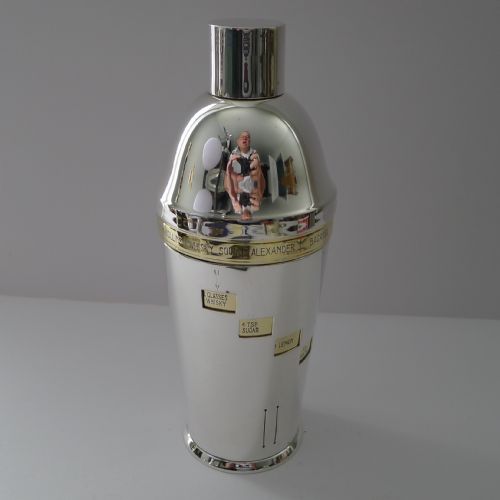

Silver Barware Mixer
A silver barware mixer brings the geometric forms and polished surfaces of early twentieth-century hospitality straight to the modern home bar.
Silver Barware Mixer
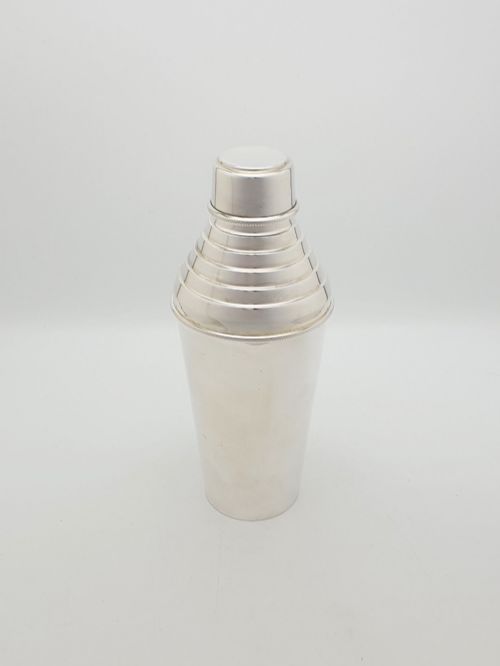
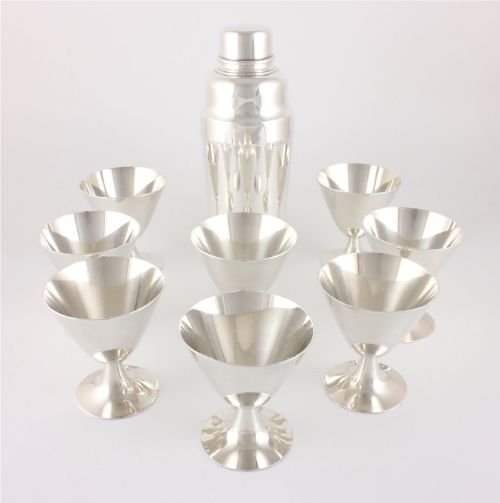
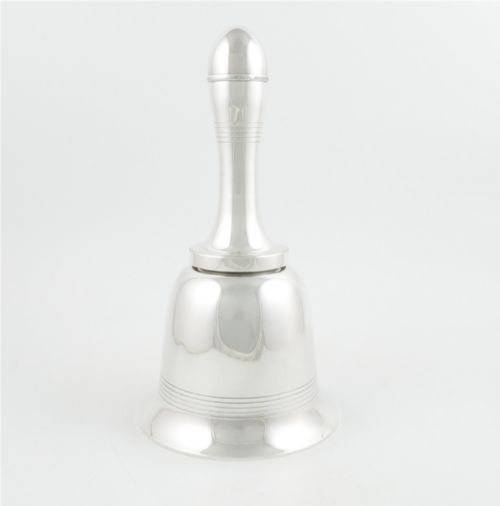
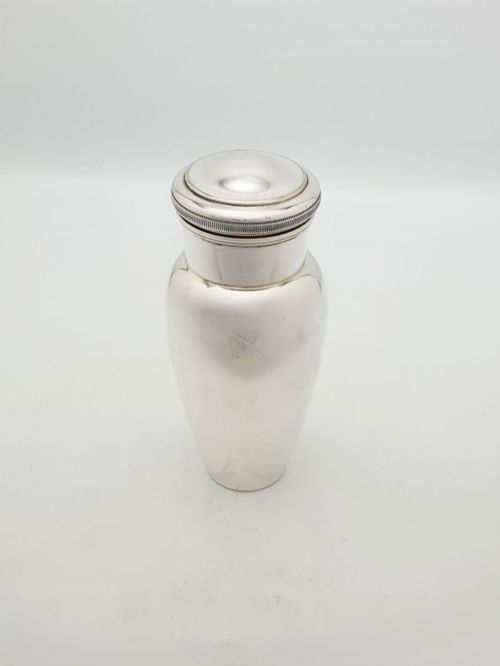
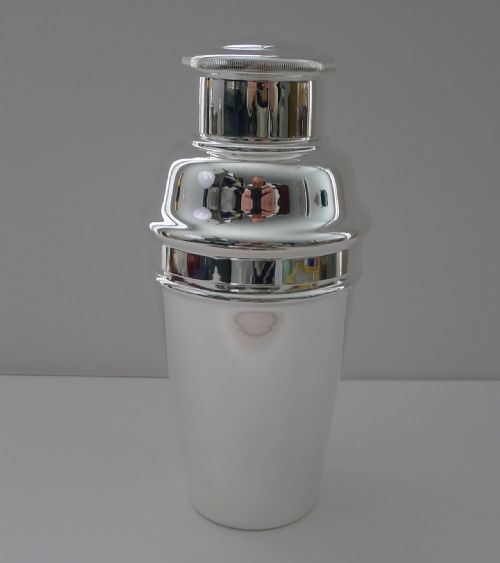
A silver barware mixer encompasses the cocktail shakers, pitchers, jugs, swizzle sticks and strainers used for preparing drinks. The pieces seen most frequently are three-piece cocktail shakers dating from the twentieth century, particularly the interwar decades.
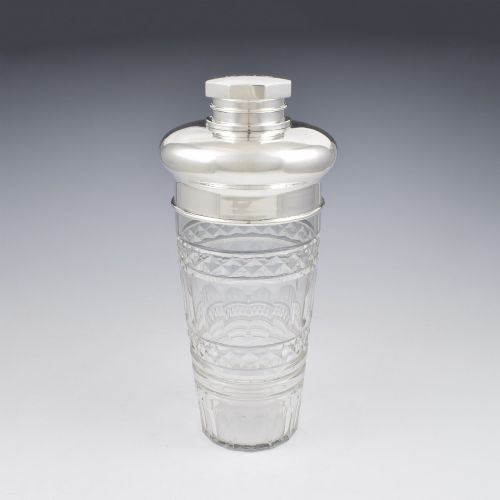
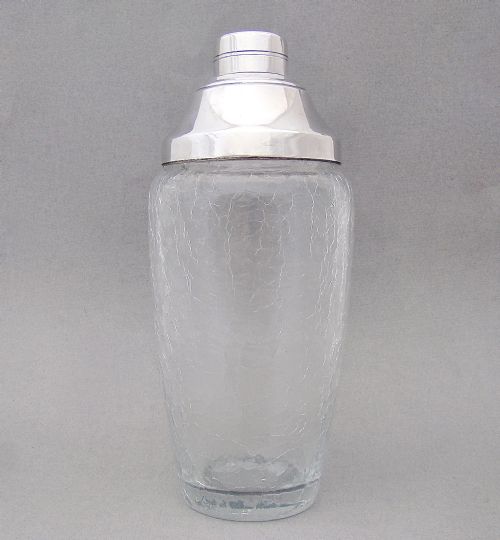
The dominant aesthetic is rooted in Art Deco and modernist design, ranging from streamlined English cylinders to French crackle glass vessels and Italian recipe shakers. These objects combine metal and glass components to fulfill both practical mixing duties and decorative table service.
Materials and construction
Makers utilised silver plate, electroplated nickel silver, and sterling silver alongside glass, brass, cork and Bakelite. Metal bodies were often shaped through spinning or stamping, then finished with engine-turned geometric patterns or polished to a bright sheen.
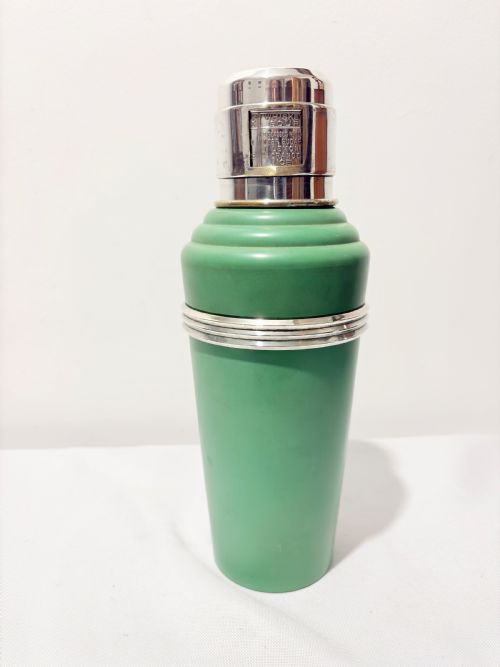
Internal mechanisms, such as built-in ice breakers, citrus squeezers, and rotating recipe bands, required precise engineering to function smoothly within the vessel. Glass elements were frequently moulded, enamelled, or paired with removable metal collars.
Silver Barware Mixer Retail Price Guide 2026
Typical asking prices for silver barware mixer among the pieces listed under this phrase on Sellingantiques today, from the lower quarter to the upper quarter. They describe what is for sale here now, not the wider market.
Materials recorded across the inventory include sterling silver, brass, crackle glass, and cork.
Distinctions in quality
Quality rests upon the weight of the metal, the clarity of the glass, and the precision with which mechanical elements like revolving recipe cylinders or tight-fitting lids operate. Heavier gauge silver plate and solid sterling silver maintain their structural integrity better through frequent use.
Pieces bearing the marks of known makers or distinct stylistic attributions demonstrate superior craftsmanship in their surface engraving, balanced proportions, and the clean integration of ancillary materials like cork and Bakelite.
Asprey & Co·Keith Murray·Hukin & Heath·J. B. Chatterley & Sons·James Dixon & Sons·Lino Sabattini·Christofle·William Suckling·Adie Brothers·Gaskell & Chambers·C S Green & Co
The Silver Barware Mixer Glossary
- Electroplated nickel silver
- A base metal alloy of copper, nickel, and zinc coated with a layer of silver through electrolysis. This method provided a durable, lustrous surface for interwar barware without the high cost of solid silver.
- Engine-turned
- A decorative technique involving precise geometric patterns mechanically engraved into a metal surface. It creates repetitive lines that catch the light and typifies the period's machined aesthetic.
- EPNS
- An abbreviation commonly stamped on silver-plated items to indicate electroplated nickel silver. It serves as a standard mark of composition on mid-century tableware and bar accessories.
- Marrow scoop
- A long, narrow spoon traditionally used for extracting marrow from bones, occasionally adapted within barware contexts for measuring or stirring tall drinks. Its slender profile suited highball preparation.
- Swizzle stick
- A small utensil with prongs or disks at the end, spun between the palms to aerate and mix cocktails. Sets were often fashioned from solid silver or plated metal during the twentieth century.
Silver Barware Mixer: Frequently Asked Questions
How do I clean a vintage silver cocktail shaker?
Wash the interior with warm soapy water and a soft brush, taking care to protect any original cork or Bakelite components from prolonged soaking. Polish the exterior gently with a quality silver cloth to preserve the plated finish without wearing away the metal.
Avoid abrasive cleaners or harsh chemical dips, which can strip engine-turned details and damage glass or enamelled sections. Dry all parts thoroughly before reassembly to prevent moisture retention inside closed vessels.
How can I identify the date of a silver mixer?
Look for manufacturer stamps, patent numbers, and hallmarks stamped onto the base or rim of the metal components. Stylistic indicators such as geometric engine-turning, Bakelite accents, and specific font choices for recipe text typically point to the 1920s and 1940s.
Design attributions to known modernists or specific firm logos help narrow the production window further. Comparing the construction methods against documented workshop timelines provides a reliable chronological guide.
What is an integral lemon squeezer?
An integral lemon squeezer is a built-in metal reamer fitted directly beneath the top cap of certain cocktail shakers. This feature allowed bartenders to juice citrus fruits straight into the mixing chamber during preparation.
Such mechanical additions represent the inventive domestic engineering popular during the interwar era. They streamline the cocktail-making process by combining multiple bar tools into a single vessel.