

Silver Bar Link Chain
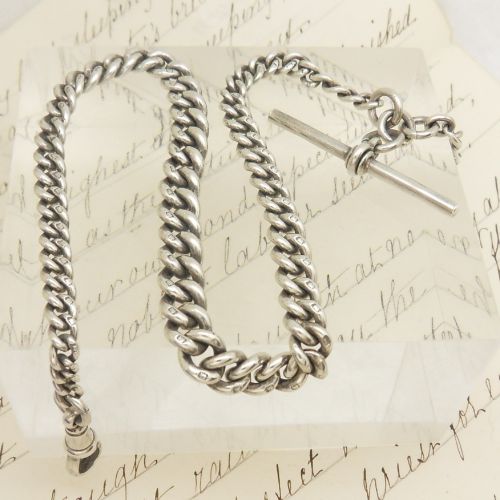
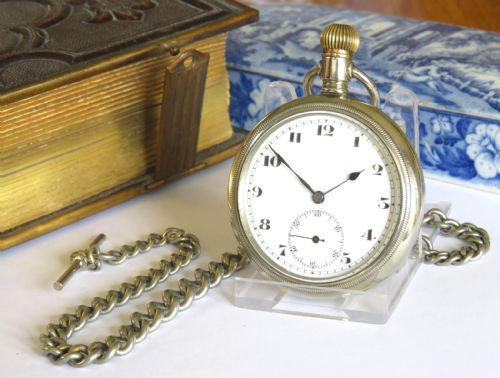
A silver bar link chain is a substantial wearable piece fashioned from metal links and connecting bars, prized for its classic weight and utility.
Silver Bar Link Chain
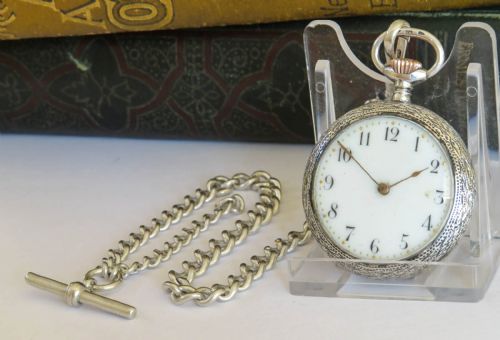
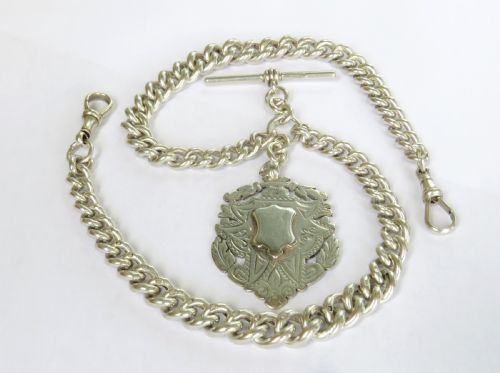
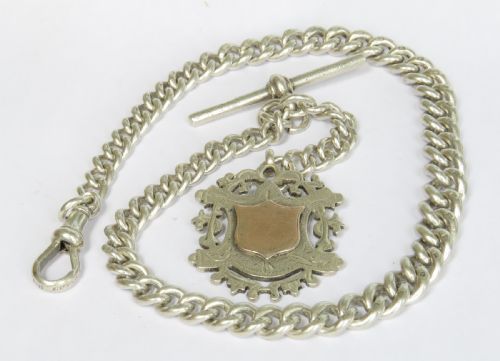
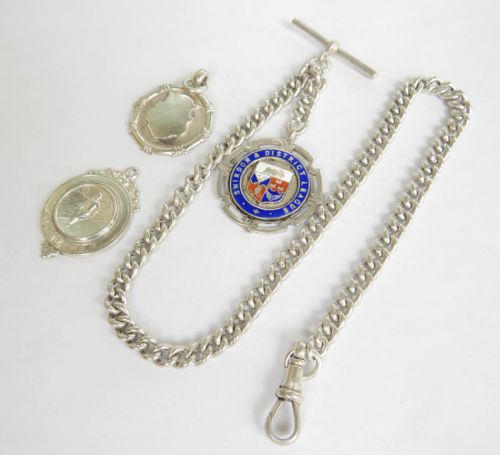
When you examine a silver bar link chain, you are looking at items primarily originating from the Victorian, Edwardian, and Art Deco periods, alongside 19th century examples. The selection spans pocket watch chains, watch chains, necklaces, and bracelets, reflecting how these functional objects transitioned into versatile neckwear and wrist adornments.
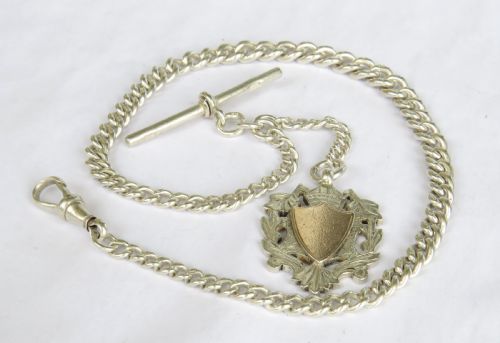
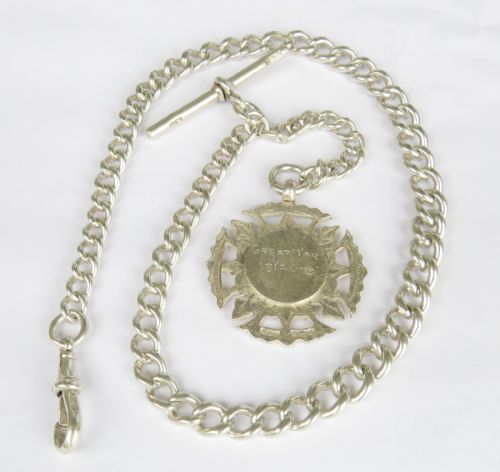
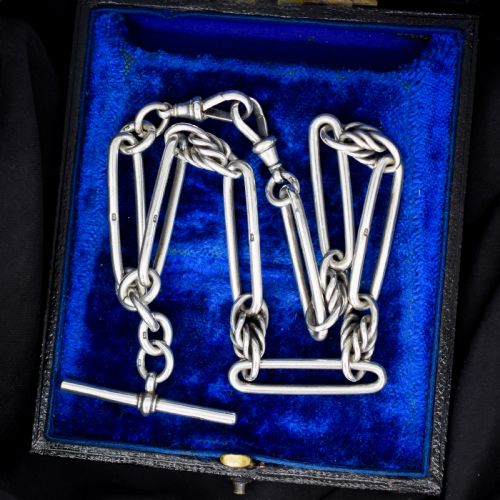
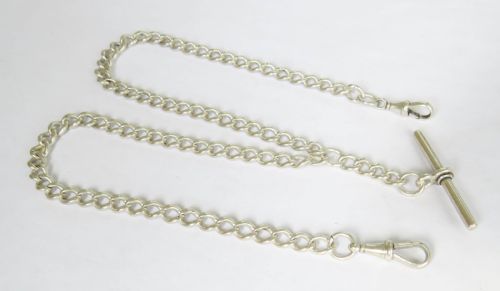
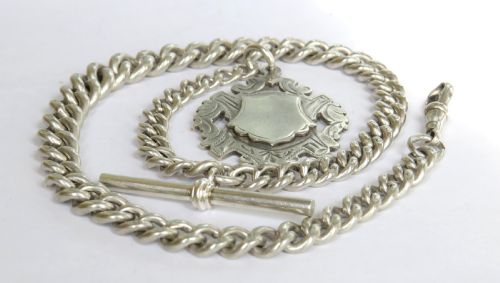
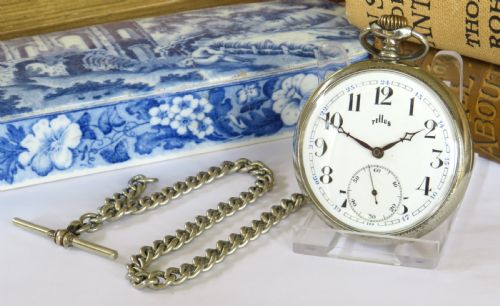
You are most likely to meet pieces styled as albert chains, curb link chains, or trombone link configurations complete with T-bars and dog clips. Many incorporate decorative fobs, seals, or key attachments that signal their original purpose as gentleman's pocket watch accessories before modern buyers adapted them for daily wear.
How They Were Made
Makers constructed these chains predominantly from solid sterling silver or standard silver, often employing manual link formation where individual components were hand-assembled and soldered. Metalworkers utilised robust curb, trombone, and fancy link patterns designed to withstand the daily friction of carrying a heavy timepiece.
Surface finish and detailing relied on mechanical stamping for stamped bar sections combined with hand-engraving on accompanying fobs and lockets. Artisans occasionally integrated contrasting metals such as gold accents, rose gold components, enamel work, or nickel elements to highlight specific links or central medallions.
Materials across the inventory include sterling silver, silver-plate, gold accents, rose gold, enamel, and nickel.
What Varies in Quality
The distinction between average and exceptional pieces rests upon the integrity of the individual links and the sturdiness of the connecting mechanisms. Superior examples maintain crisp hallmarks, substantial metal weight, and original swivelling dog clips that operate with a secure, firm snap.
Craftsmanship is further judged by the uniformity of the bar and link junctions, ensuring the chain drapes fluidly without stiffness or twisted components. Pieces retaining original matching components, such as fully marked T-bars, bloodstone swivel fobs, or specific commemorative seals, demonstrate superior completeness.
Horos·Tellus
The Silver Bar Link Chain Glossary
- Albert chain
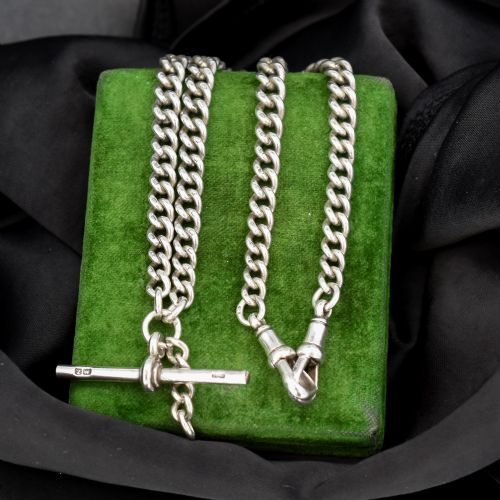
- A specific type of pocket watch chain designed to pass through a waistcoat buttonhole, featuring a T-bar at one end and a drop for a pocket watch at the other. These are frequently converted into necklaces by modern wearers.
- T-bar
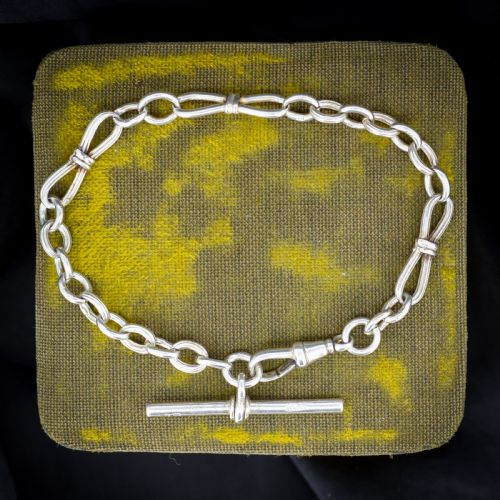
- The short transverse bar attached to the centre of an albert chain, originally used to secure the chain through a garment buttonhole. It remains a hallmark feature of traditional watch chain designs.
- Dog clip
- A spring-loaded swivel clasp attached to the end of a chain, designed to secure a pocket watch, fob, or pendant safely. Its secure spring mechanism is vital for daily wear.
- Trombone link
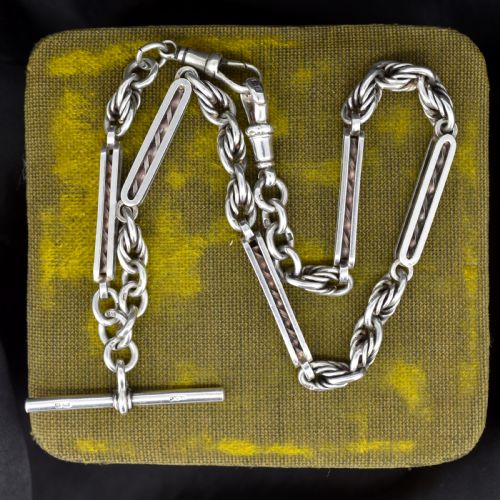
- A specific link pattern characterised by alternating long rectangular bar links and smaller circular or oval connecting links, popular in Victorian and Edwardian jewellery.
- Fob
- A small ornament, seal, or medallion attached to a watch chain that drapes below the waistcoat or hangs from the necklace line. These often feature bloodstone inserts or engraved crests.
Silver Bar Link Chain: Frequently Asked Questions
What is a silver bar link chain?
A silver bar link chain is a traditional metal link necklace or watch chain featuring elongated bar sections interspersed with smaller connecting links. These items originated primarily as heavy functional chains for pocket watches during the nineteenth and early twentieth centuries.
Today, collectors and wearers repurpose these sturdy silver pieces as distinctive necklaces or wrap bracelets. Their construction reflects the heavy-duty utility and metalworking standards of the Victorian and Edwardian eras.
How do I wear an albert chain?
An albert chain can be worn around the neck as a statement necklace by fastening the dog clip directly to a link or connecting ring. The traditional T-bar is typically left to dangle as a decorative front feature.
When styling these pieces, you can also attach antique fobs, seals, or lockets to the centre drop. The substantial weight of sterling silver curb and trombone links ensures the chain sits flat against the collarbone.
How do I date a silver watch chain?
Dating a silver watch chain involves examining the hallmarks stamped onto the individual links, T-bars, and dog clips. British sterling silver pieces carry assay office marks, date letters, and standard lion passant symbols that indicate the exact year of manufacture.
Stylistic cues such as trombone link formations, enamel highlights, or specific commemorative fobs also help narrow the period. Victorian and Edwardian examples often feature distinct design motifs that distinguish them from later twentieth-century iterations.
What is the difference between a curb and a trombone link?
A curb link chain consists of uniform, interlocking links that have been slightly twisted and flattened to lie flat against the skin or clothing. They offer a chunky, consistent profile prized for everyday durability.
A trombone link chain alternates between long, straight rectangular bars and short circular or oval connecting links. This geometric pattern creates an open, architectural appearance characteristic of late nineteenth-century silverwork.